
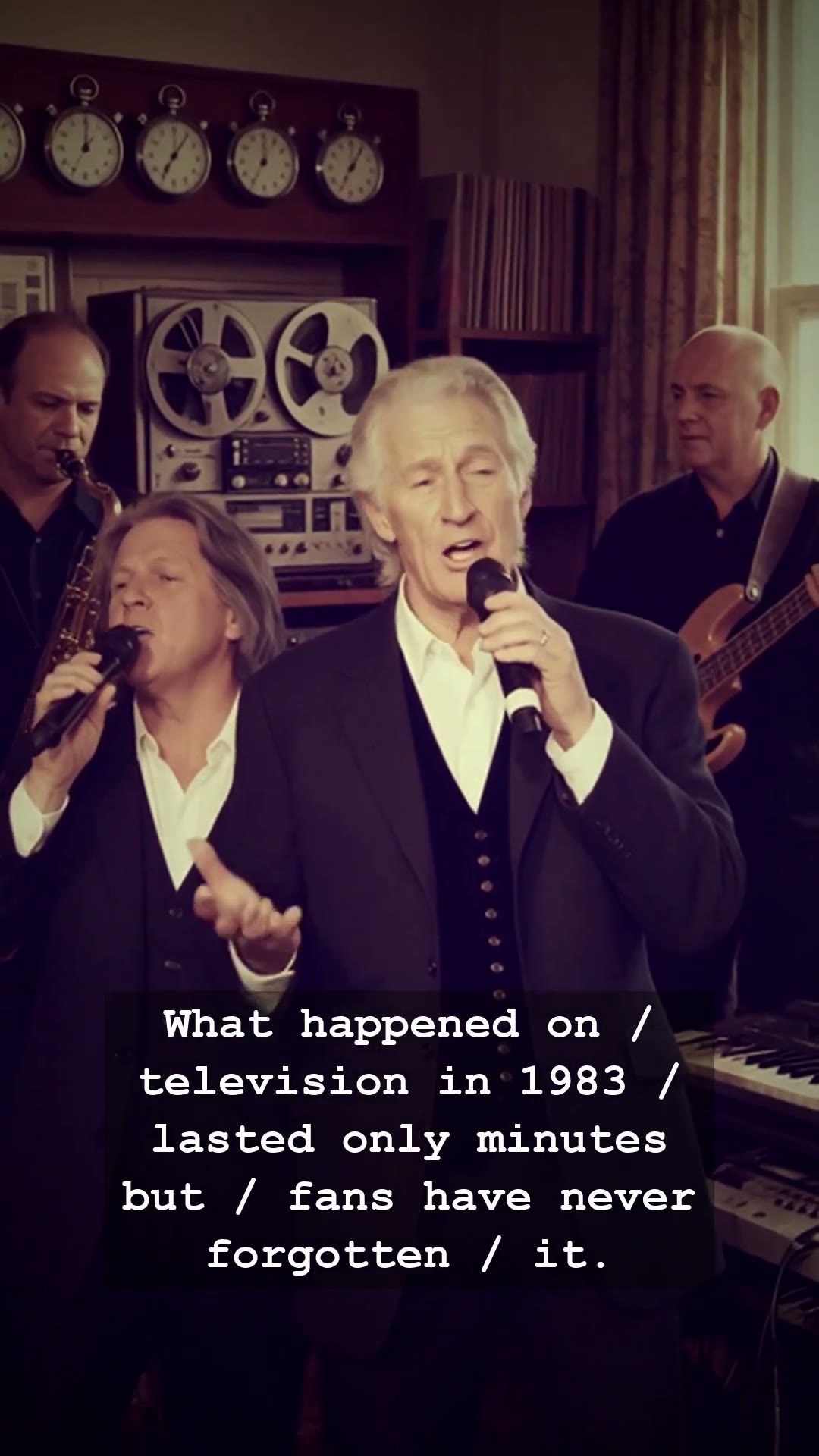
It was 1983, and millions of viewers sat in front of their television screens, unaware that they were about to witness a performance that would anchor itself in the collective memory of a generation. The world of music is often defined by the noise of its era—the neon glare of MTV, the grit of the Grunge movement, or the pulse of Disco—but every once in a while, time stands still. When Bobby Hatfield stood before the microphone to deliver his rendition of Unchained Melody, the studio seemed to vanish. There was no theatricality, no flashy stage production, just a man and a voice that carried the weight of decades of heartache. For those who remember the golden age of the jukebox and the crackle of a needle hitting vinyl, that moment was more than just a song; it was a visceral reminder of why we fell in love with music in the first place.
Originally released in 1955, Unchained Melody was never meant to be a simple pop tune. It was a cry of desperation, a yearning for connection that resonated through the jukeboxes of the fifties and lived on through the transistor radios of the sixties. Yet, it was Bobby Hatfield, one-half of the legendary duo The Righteous Brothers, who truly gave the song its soul. While the music industry of the time was obsessed with image and the next big trend, Hatfield focused on the raw, unvarnished truth of the lyrics. His performance in 1983 remains a point of fascination because it captured a man who had survived the highs of fame and the crushing lows of the industry, pouring every ounce of his lived experience into those high notes.
The drama behind the music is often what draws us back to these legends. The mid-century era was a pressure cooker of ambition, substance, and the intense psychological toll of newfound celebrity. Bobby Hatfield lived that life to the fullest, experiencing the camaraderie and the eventual rifts that defined the rock and roll era. He was a man shaped by the touring circuits and the grueling demands of the limelight. When he sang, you were not just hearing a professional vocalist; you were hearing the ghosts of a long career, the echoes of empty hotel rooms, and the flickering memory of a mid-century romanticism that the world was slowly leaving behind.
Even today, nearly 70 years after its inception, the song remains a cultural monolith. It found a second life in cinema, piercing through the cynicism of modern audiences to remind us of a time when music felt dangerous, beautiful, and deeply personal. Bobby Hatfield brought a level of conviction to Unchained Melody that few have ever been able to replicate. It is a masterclass in emotional endurance, standing as a testament to the fact that while trends fade and technologies like the Walkman or the cassette player become relics, a truly soul-stirring performance is immortal.
As we look back at the footage from that 1983 broadcast, we are reminded of why we keep digging through the archives of music history. We are searching for that spark, that singular moment of truth where a performer forgets the cameras and simply becomes the story they are telling. Bobby Hatfield and his definitive take on this masterpiece serve as a bridge between the Boomers, the Gen Xers, and anyone who has ever felt the sting of a melody long after the music has stopped. It is a haunting legacy, one that continues to echo in the hearts of listeners who still believe that the best songs are the ones that break your heart just a little bit. Close your eyes and listen, and you might just find yourself back in the room with him.