
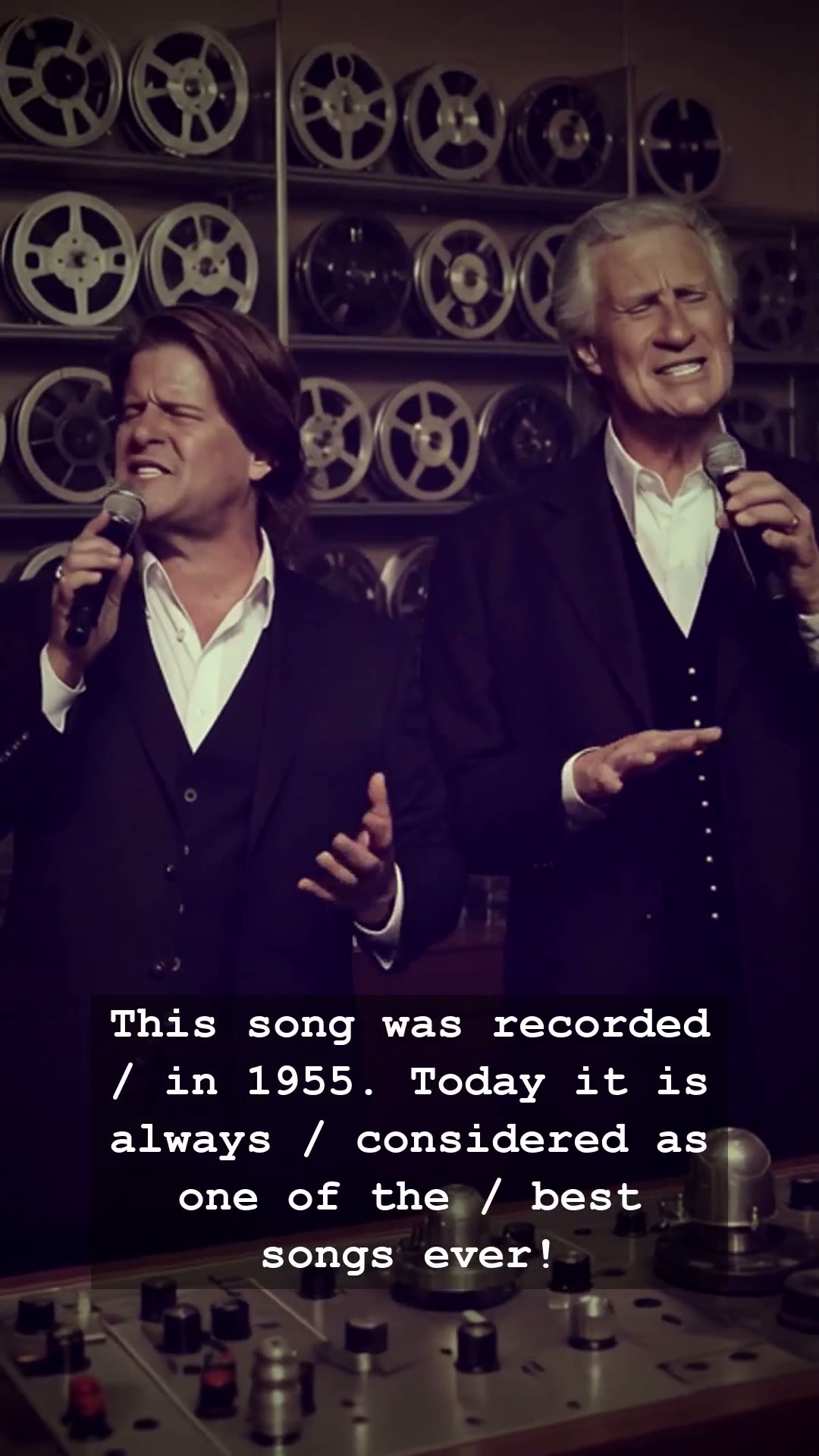
It began as a haunting melody in a lonely prison cell, a song destined to transcend the era of the jukebox and become a permanent fixture in our collective consciousness. Released in 1955, Unchained Melody was initially a modest hit for Alex North and Hy Zaret, but its journey was far from over. It is rare for a song to survive seven decades of shifting musical tides, yet this track remains a monolith of the American soul. While many have laid claim to its lyrics, it was the explosive, operatic interpretation by The Righteous Brothers a decade later that etched the song into the bedrock of music history.
Stepping into the mid-sixties, the air was thick with the shifting sounds of the British Invasion and the burgeoning psychedelic movement, yet The Righteous Brothers cut through the noise with a style they famously dubbed blue-eyed soul. Bill Medley and Bobby Hatfield were not your typical pop icons; they were two men with voices that held the grit of the street and the grandeur of a cathedral. When they stepped into the studio to record their version of Unchained Melody, they were not just chasing a chart-topping hit. They were tapping into a profound, raw human ache that resonated perfectly with the lonely, neon-lit nights of the decade.
The drama behind their recording is as captivating as the high notes themselves. Bobby Hatfield, who took the lead on the iconic vocal performance, was often pushed to his physical limits by the intensity of the track. There is a story, often whispered in the dark corners of recording lore, about the perfectionism that plagued the sessions. Legend has it that Hatfield was told to go back into the vocal booth until he could deliver the final, soul-shattering high note with absolute, spine-tingling precision. He stayed there for hours, exhausted and desperate, until he finally hit the note that would make millions weep for generations to come.
As the song climbed the charts in 1965, it became an anthem for those living in the shadow of the Vietnam War and the rapid societal changes defining the mid-sixties. It echoed through the diners, played on the portable radios of the youth, and became a sanctuary for the heartbroken. The Righteous Brothers managed to capture something almost sacred; they took a 1955 standard and breathed enough fire into it to turn it into a timeless monument. It reminds us of a time when production was less about digital perfection and more about the raw, unfiltered sweat and tears of two voices harmonizing in a small room.
Today, we look back at the legacy of this track with a mixture of awe and melancholy. From the crackle of the original vinyl to its immortalization in cinema, the song has refused to fade. It serves as a reminder that true art doesn’t care about trends; it only cares about truth. Whether you heard it first on a crackling AM radio or through the speakers of a classic muscle car, the weight of the lyrics remains unchanged. As you listen to the melody once more, try to close your eyes and feel the ghost of 1965, a time when voices like those of The Righteous Brothers could literally stop time.