
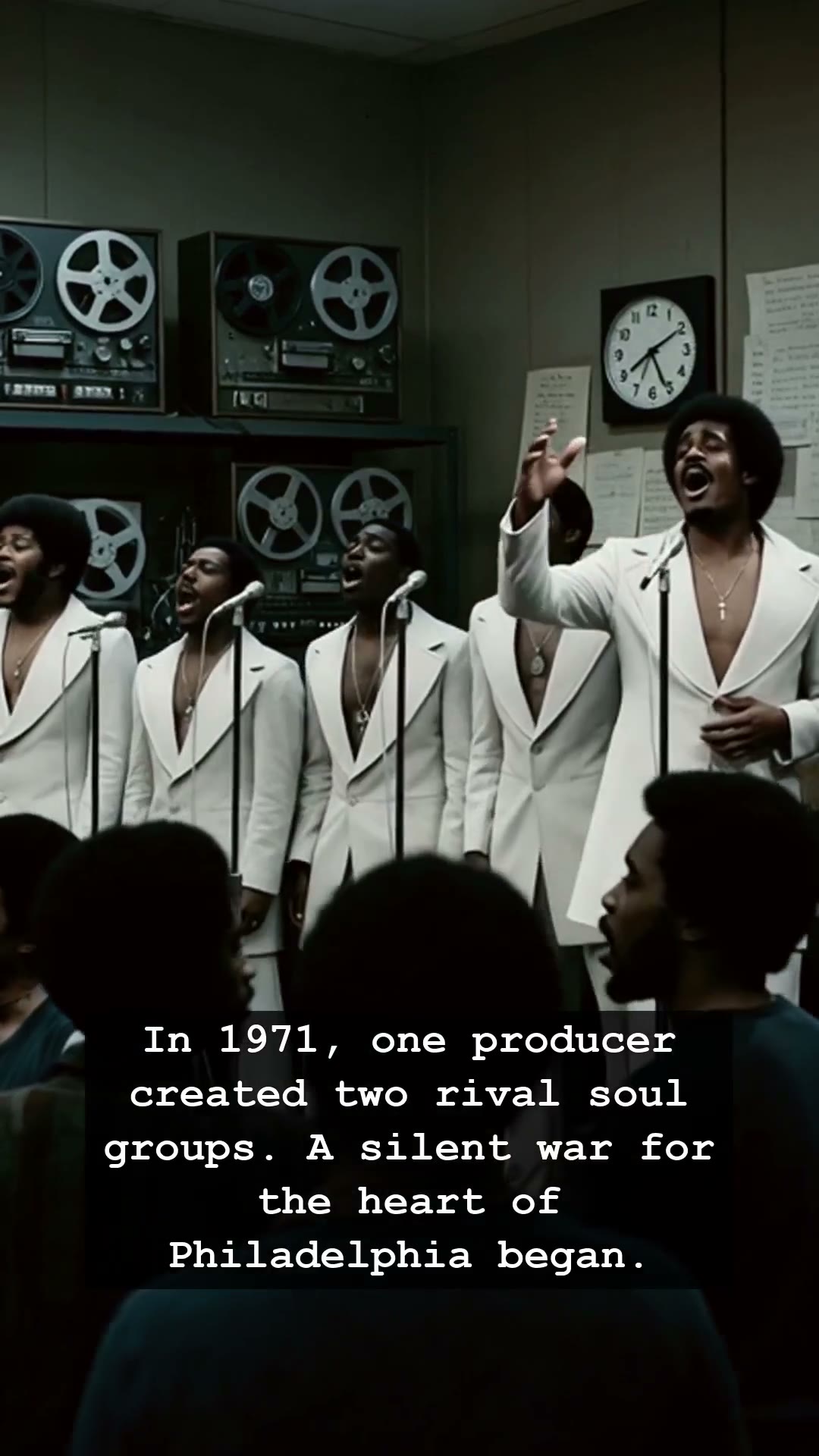
The year was 1971. If you stepped into a diner in North Philadelphia, you were almost guaranteed to hear the sweet, sweeping orchestration of Philly Soul radiating from the local jukebox. It was a golden age of velvet harmonies and high-pitched falsettos that seemed to float on air. But while the public swooned over the smooth sounds of The Delfonics and The Stylistics, few listeners knew that these two legendary groups were actually soldiers in a quiet, high-stakes cold war orchestrated by a single brilliant mind. Behind the scenes, the genius producer Thom Bell was playing a complex game of chess, pitting his own creations against one another to define the very sound of a generation.
The Delfonics had already captured the hearts of millions with hits like La-La (Means I Love You). They were the pioneers, the ones who set the blueprint for that lush, string-heavy sound that would later define the decade. But when The Stylistics arrived on the scene with their polished, angelic delivery, a tension began to simmer in the recording studios. It was not just about the charts; it was a battle for the soul of the city. As The Stylistics climbed the Billboard rankings with songs like Betcha by Golly, Wow, the rivalry intensified. The Delfonics felt the pressure of their crown slipping, and the air in the studio became thick with creative resentment and competition for Bell’s time and favor.
This era was defined by more than just the records; it was the birth of a sophisticated urban aesthetic. While the youth were starting to drift toward the raw, psychedelic sounds of the era, Thom Bell kept the city rooted in romance. He used the studio like a painter uses a canvas, layering horns and glockenspiel to create an atmosphere that felt like a night out at an upscale lounge. The Delfonics and The Stylistics were the face of this movement, yet they were bound by a shared dependency on the same architect. The drama was rarely public, but the shift in sound between the two groups tells the story of a producer testing the limits of what a soul harmony could achieve.
Looking back, it is a testament to the talent of these artists that they managed to produce such timeless music under such immense psychological pressure. Fame in the seventies was a volatile beast, often fueled by long hours in dimly lit studios and the relentless demands of a changing cultural landscape. The Delfonics struggled to maintain their initial dominance while The Stylistics navigated the dizzying highs of instant superstardom. They were both trapped in a web of expectations, competing for the same ears and the same spotlight in a city that demanded perfection.
Today, we look back at these records through a nostalgic lens, hearing only the beauty in those perfect arrangements. We forget the silent wars and the ego clashes that happened between takes. Yet, that tension is precisely why the music still vibrates with such raw emotion. It was not just harmony; it was an attempt to outshine the past and secure a legacy. Whether you preferred the grounded, deep ache of The Delfonics or the soaring, polished peaks of The Stylistics, you were listening to a historic rivalry that molded the landscape of American soul forever. Do you still find yourself reaching for these records when you need to feel the weight of those velvet days once again?