
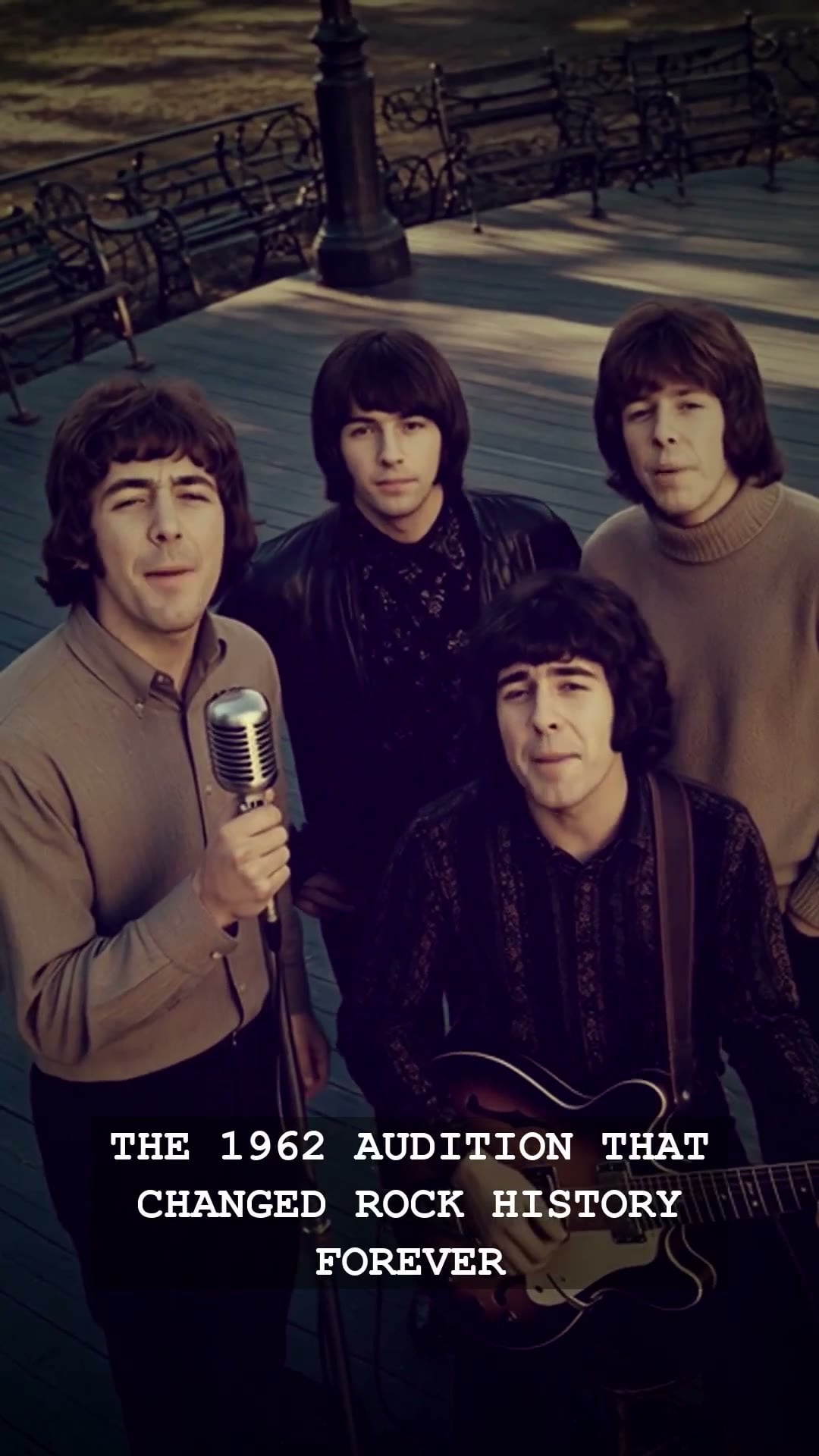
It was a cold, grey morning in London, 1962. Inside the sterile walls of Decca Records, a decision was made that would echo through the corridors of music history for decades. A polished, harmonious group known as The Tremeloes stood before the executives, delivering a performance that felt safe, professional, and entirely of the era. The decision-makers were impressed. They signed the dotted line, convinced they had secured the future of British pop music. But just moments earlier, they had listened to four scruffy, leather-clad boys from Liverpool who played with a raw, unrefined energy that the label simply could not understand. By choosing The Tremeloes over The Beatles, the executives committed the single greatest blunder in the history of the recording industry.
To understand the magnitude of this choice, one must visualize the landscape of the early sixties. Music was transitioning from the polished, jukebox-ready pop of the late fifties toward something more rebellious and electric. The Tremeloes represented the status quo: tidy outfits, tight harmonies, and a safe stage presence that mirrored the standards set by the crooners of the previous decade. They were talented musicians, certainly, but they lacked the tectonic shift that was about to upend the world. The Beatles, on the other hand, brought a hungry, unfiltered intensity that felt dangerous to the men in suits who preferred the predictable charm of a band like The Tremeloes.
It is fascinating to consider the ‘what if’ scenario that haunts music historians to this day. If Decca had chosen the Fab Four, the entire trajectory of the sixties would have been altered. Would we have witnessed the same British Invasion? Would the cultural explosion of the era have manifested in such a radical way? While The Tremeloes went on to have their own respectable string of hits, including the timeless Silence Is Golden, their historical legacy is inextricably linked to that singular, fateful audition. They became the unwitting footnote in the story of a cultural revolution they could not have possibly foreseen.
Looking back from our modern era of high-definition streaming and digital curation, the story of The Tremeloes and that infamous Decca audition serves as a stark reminder of the subjective nature of art. It highlights a time when industry gatekeepers held all the power, often choosing commercial comfort over the unpredictable genius of youth. The irony, of course, is that the very act of rejecting the Beatles fueled the legend, creating an origin story that has outlived the careers of almost everyone in that room.
Today, the memory of that day still resonates as a lesson in the unpredictability of fame. Whether we look at it through the lens of a classic rock documentary or simply enjoy the melodies of the era, the story remains a captivating piece of musical folklore. While The Tremeloes carved out their own space in the charts, the shadow of what might have been remains their most enduring contribution to the history of rock and roll. It is a testament to the fact that sometimes, the biggest mistakes are the ones that define a generation.