
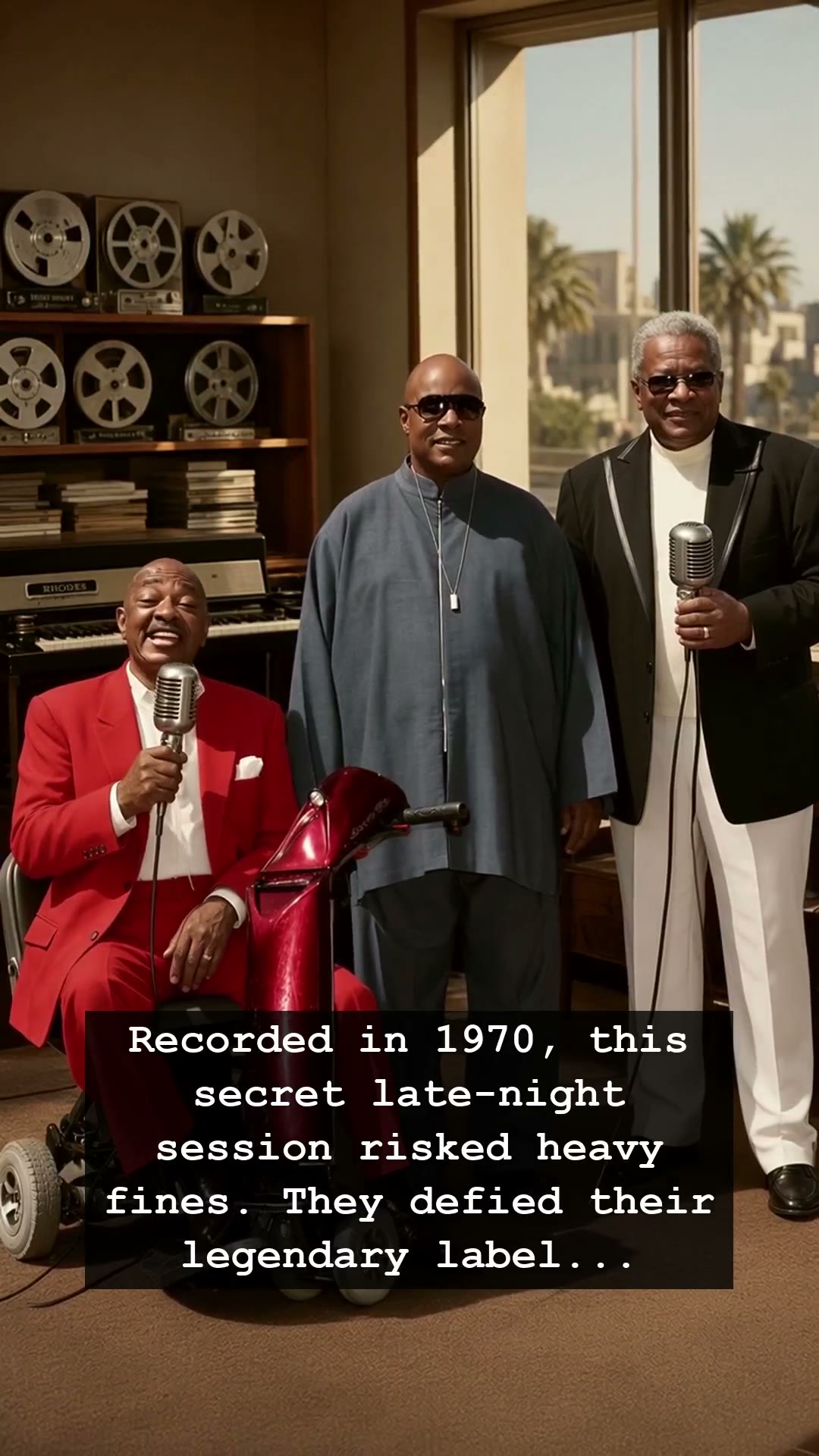
The year was 1970, and the air in Detroit was thick with tension. Within the hallowed walls of Motown’s legendary Hitsville U.S.A., a strictly regimented clockwork of production governed every single note. Yet, in the shadows of the studio, the men responsible for the label’s heartbeat were brewing a rebellion. These were the Funk Brothers, the unsung geniuses behind virtually every Motown hit, who decided that the rhythm of the city could not be contained by corporate mandates. One moonless night, they gathered for a clandestine session, fully aware that they were risking heavy fines and professional ruin just to capture a sound that existed only in their dreams.
To understand the magnitude of this defiance, one must look at the era. Motown was a hit-making machine, an assembly line of pop perfection that demanded total compliance from its session musicians. The Funk Brothers—James Jamerson, Bob Babbitt, Uriel Jones, and their cohorts—were the engine room of the label, yet they rarely saw their names on the records. Their mastery of rhythm was legendary, but their artistic freedom was nonexistent. That night in 1970, they abandoned the hit-making formula. Under the cover of darkness, they laid down a groove so deep and raw that it defied the polished aesthetic of the era, pushing the boundaries of what soul music could actually be.
As the tape rolled, the studio felt less like a workspace and more like a sanctuary. There were no producers breathing down their necks, no executives worrying about radio play or commercial appeal. The Funk Brothers were finally playing for themselves. You can hear it in the final recording: the grit of the bass lines, the syncopated snap of the drums, and a soulful urgency that felt like a secret whispered among friends. They were risking everything, not for royalty checks or fame, but for the purity of the craft. It was a moment of artistic liberation that stood in stark contrast to the rigid constraints of the industry.
Years later, when we listen to these tracks, we aren’t just hearing instruments; we are hearing the heartbeat of a generation that lived through the transition from the golden age of Jukebox records to the more experimental sounds of the early seventies. This clandestine session remains a testament to the resilience of human creativity when placed under pressure. While the record label thrived on control, the Funk Brothers thrived on soul, and that night, they proved that true genius cannot be regulated. Their contribution defined the sound of American popular music for decades to come.
Today, the legacy of the Funk Brothers serves as a reminder that the most profound art often emerges from the darkest, most quiet corners. Every time we drop the needle on a vintage soul record, we are listening to the echoes of their midnight defiance. The Funk Brothers may have been ghosts in the machine for so long, but their influence remains vibrant and undeniable. If you listen closely, you can still hear the shadows of that secret session, forever preserved in the groove of soul history.