
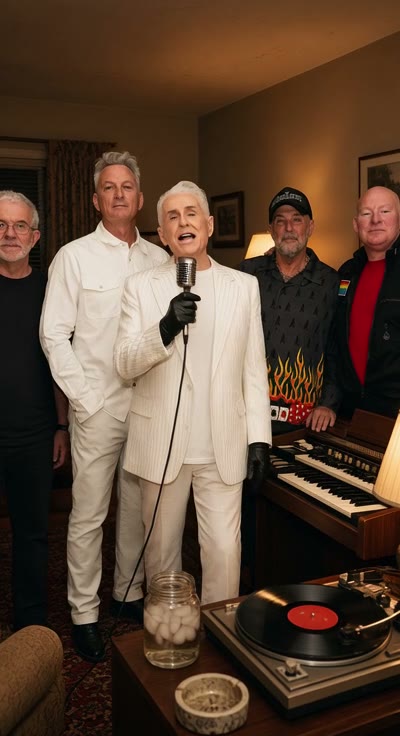
In the mid-1980s, the neon-drenched landscape of MTV was dominated by a sound so infectious and provocative that it felt like an electric shock to the senses. Frankie Goes to Hollywood burst onto the scene with a bravado that defined the synth-pop era, turning songs like Relax into global anthems that echoed from every Walkman and high-street boutique. They were the poster boys of hedonism, dripping with an attitude that promised the rebellion of the decade. Yet, beneath the glossy layers of synthesizers and the outrageous public persona, a dark, hidden tension was brewing—a secret that would threaten to tear the band apart before their fame had even peaked.
While fans were busy dancing in the flickering lights of clubs, captivated by the charismatic presence of lead singer Holly Johnson, a cold truth was being kept under wraps by legendary producer Trevor Horn. Behind the closed doors of the recording studio, the actual instrumental heavy lifting for their blockbuster debut album, Welcome to the Pleasuredome, was largely handled by anonymous session musicians. The band members themselves were often sidelined, watching as their artistic identity was meticulously crafted by outsiders. This realization felt like a betrayal to the men who stood at the forefront, sparking a volatile internal war that would simmer just below their polished public image for years to come.
It is a classic story of the music industry’s darker side during the era of digital evolution. The struggle between Frankie Goes to Hollywood and their management was not just about control; it was a battle for their soul as musicians. This clash of egos and the feeling of being mere puppets in a high-stakes corporate machine created a pressurized environment where resentment festered. The friction that exploded behind the scenes was indicative of a broader cultural shift, where image often took precedence over the raw, unrefined talent that had defined the rock ‘n’ roll spirit of previous decades. It was a brutal initiation into the reality of superstardom.
Looking back, the story of Frankie Goes to Hollywood serves as a cautionary tale about the price of meteoric success. The band eventually fractured, burdened by lawsuits and the crushing weight of their own manufactured image. Despite the turmoil, the music they left behind remains an undeniable pillar of 1980s pop culture. Every time that driving, thumping bassline of their biggest hit begins to play, we are transported back to a time of excess and uncertainty, where the line between genuine artistic expression and studio artifice was permanently blurred.
Today, we look back at Frankie Goes to Hollywood not just as a band, but as a fascinating artifact of a transformative time. They represented the peak of the MTV craze and the beginning of the end for the traditional band dynamic. Their legacy is built on a foundation of contradictions: immense commercial triumph coupled with deep personal disillusionment. Do you remember where you were when you first heard their voice, or have you only recently discovered the truth about the legends behind the music?