
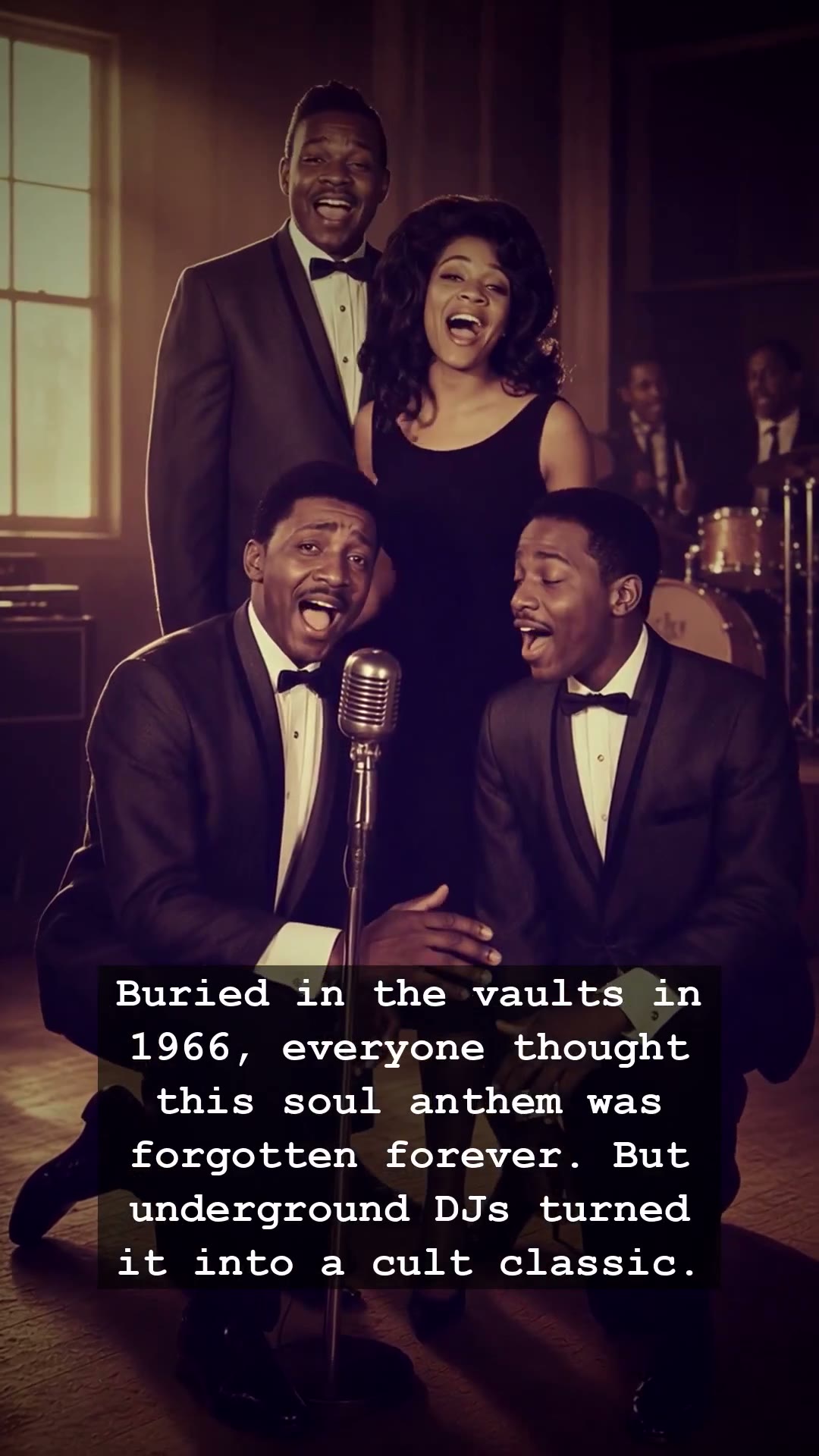
In the golden, velvet-lined era of 1966, the Motown machine was a relentless hit-making factory. Yet, even within the hallowed halls of Hitsville U.S.A., some treasures were destined to gather dust. Among these was the soulful, sweeping brilliance of The Elgins. While groups like The Temptations and The Supremes dominated the airwaves, a tragic administrative oversight left The Elgins and their shimmering recordings locked deep within the studio vaults. For the music industry of the mid-sixties, it was as if they had simply ceased to exist, their rhythmic contributions erased from the mainstream narrative before they even had the chance to bloom.
The silence surrounding The Elgins lasted for years, a ghost story in the competitive landscape of American soul. In Detroit, they were local heroes with undeniable vocal grit, but the label’s focus had shifted elsewhere, leaving their master tapes to collect cobwebs. It is a haunting reality of the era: in the race for the next chart-topper, even the most profound artistic expressions were often discarded if they didn’t fit the immediate commercial mold. The group faded into the background of Motown history, their voices echoing only in the memories of those who had witnessed their rare, raw live performances during the label’s formative years.
However, the tides of fate rarely move in a straight line. Across the Atlantic, a revolution was brewing in the dark, crowded underground clubs of Northern England. British DJs, obsessed with the obscure and the soulful, began hunting for forgotten American rhythm and blues. When they unearthed the tracks by The Elgins, the response was nothing short of electric. The song that was buried in 1966 suddenly became the heartbeat of a transatlantic phenomenon. It wasn’t just a track; it was a cult classic that defied the expiration date the record label had placed upon it, proving that true art eventually finds its audience, no matter how long it stays hidden in the shadows.
The resurrection of The Elgins is a testament to the power of the Northern Soul movement, a culture built on the worship of rare vinyl and forgotten melodies. When the needles dropped on those dusty, imported pressings, it transported club-goers back to a time of high-waisted trousers and sweat-drenched dance floors. The Elgins finally got their moment under the flickering disco lights of a different era, far from the Detroit studio where they were once overlooked. The energy they brought to the stage was finally vindicated, turning a tragic burial into a legacy that would echo for generations.
Today, we look back at the story of The Elgins as a reminder of the fragility of fame and the endurance of pure rhythm. Their music still resonates because it captures a specific, unfiltered yearning that transcends time. As the analog warmth of their recordings fills our modern spaces, we are reminded that some songs were never meant to stay forgotten. Perhaps it is time to dig through your own collection and listen, once more, to the voices that the world almost left behind.