
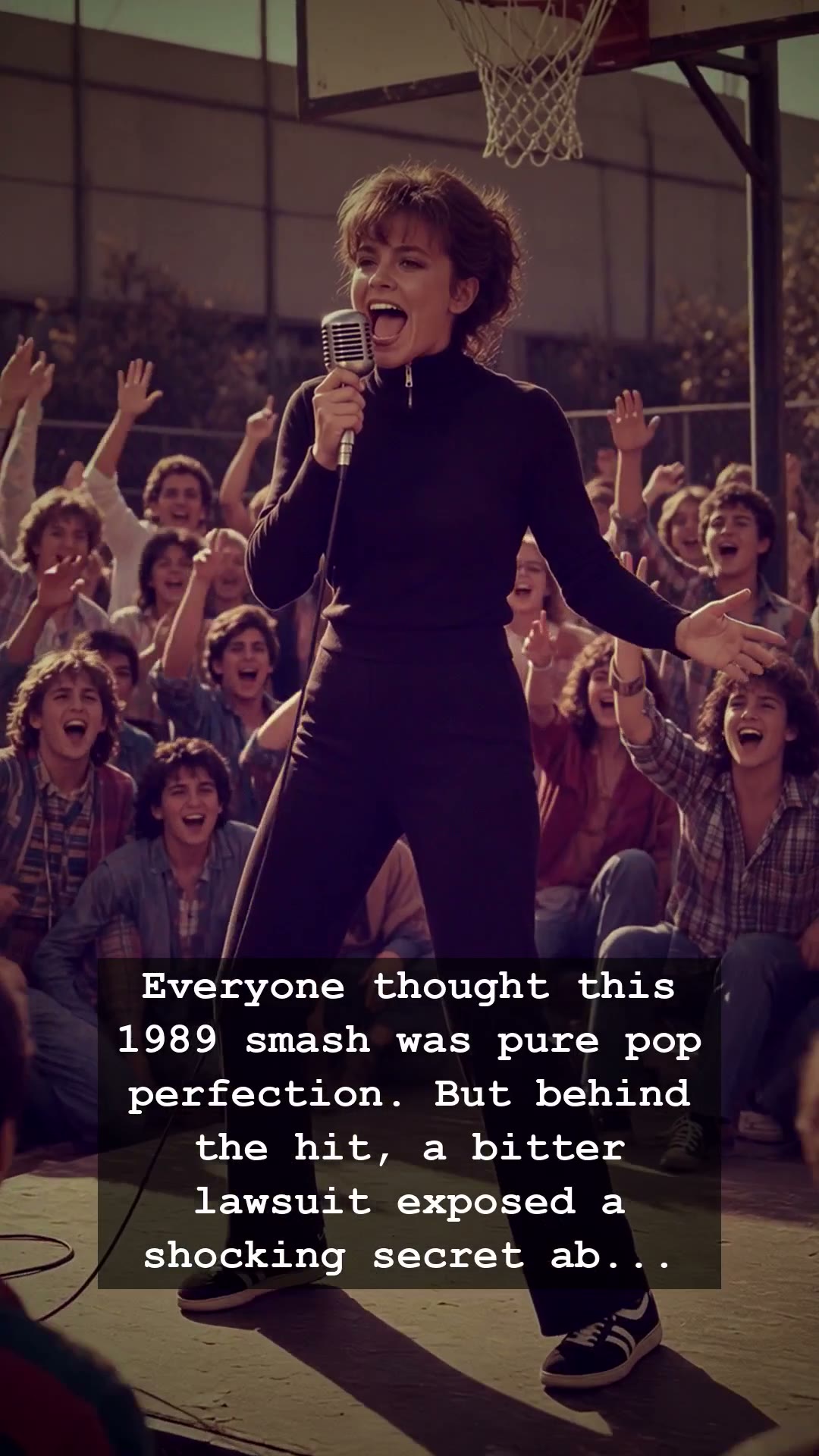
It was the late eighties, a time when the neon glow of MTV defined the aesthetic of a generation and the sleek sound of pop ruled the airwaves. In 1989, Paula Abdul seemed to have it all. A former Los Angeles Lakers cheerleader turned pop sensation, her debut album Forever Your Girl was a juggernaut that produced hit after hit. But behind the glossy production and the perfectly choreographed music videos that dominated every television screen, a storm was brewing. While fans were busy perfecting her dance moves in their living rooms, a bitter courtroom battle was unfolding, threatening to tear the mask off the pop perfection machine and expose a secret that would shake the industry to its core.
The conflict centered on the haunting question of who was actually singing the lead vocals on the tracks that made Paula Abdul a household name. As the world embraced the infectious energy of her records, rumors began to circulate that the voice emanating from the radio speakers was not entirely hers. The music industry has always been a place of smoke and mirrors, but this specific controversy felt different. It pulled back the curtain on the assembly-line nature of 1980s pop music, where image was often prioritized over vocal authenticity. The lawsuit that followed brought the tension between producers, session singers, and the faces of pop stardom into the harsh light of legal scrutiny.
At the center of this firestorm was Yvette Marine, a session singer who claimed her voice was layered onto Paula Abdul tracks without proper credit. For the average listener who had the album playing on their Walkman during a long commute or at a high school dance, the revelation was jarring. Was the persona they had fallen in love with a carefully constructed illusion? The drama played out in the media, turning into a sensational narrative about the exploitation of talent and the cutthroat nature of fame. It forced an entire generation of music fans to reconsider the songs they once held so dear, questioning how much of their favorite idol was genuine and how much was mere studio magic.
Despite the legal chaos and the rumors that threatened to derail her career, Paula Abdul managed to persevere. The resilience she showed during those intense years cemented her status as a pop icon who could survive the intense scrutiny of the tabloids and the harsh judgment of the public eye. Her journey highlights the immense pressure that stars of the era were under to maintain an image of perfection in an industry that was rapidly evolving. The scandal remains a fascinating case study of the late eighties, serving as a reminder of the fragility of fame and the high cost of becoming a global superstar.
Looking back, the story of Paula Abdul and the vocal controversy is a quintessential piece of music history. It captures the tension of a decade obsessed with the visual, the synthetic, and the spectacular. Today, we listen to these tracks with a different kind of nostalgia, appreciating them not just as pop hits, but as artifacts of a turbulent time in musical evolution. Whether or not the controversy diminished the magic of the music, the story of Paula Abdul continues to resonate as a testament to the chaotic, unforgettable energy of the golden age of pop.