
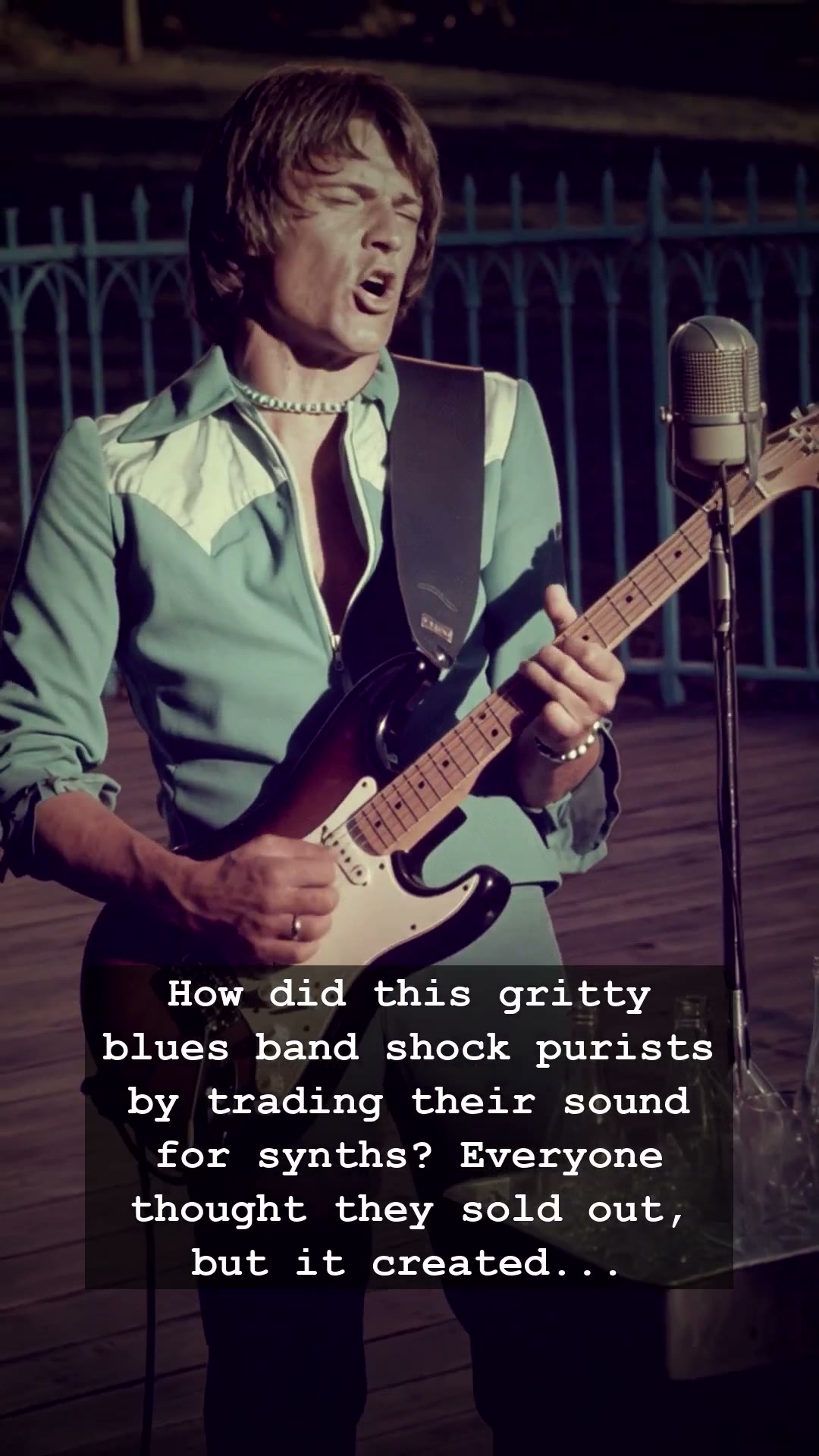
In the early 1980s, the landscape of American radio was shifting beneath our feet. For years, The J. Geils Band had been the ultimate sweat-soaked, blues-rock outfit of the Northeast. They were the kings of the grimy dive bars and college circuits, fueled by Peter Wolf’s charismatic stage presence and J. Geils’ stinging guitar work. But when the neon glow of the MTV era began to cast its synthetic light over the industry, a strange transformation occurred. In 1981, they entered the studio and traded their gritty, harmonica-driven rhythm and blues for the sleek, cold polish of synthesizers. For the purists who had followed the band since their seventies heyday, this wasn’t just an evolution; it felt like a betrayal. Everyone whispered the same accusation: they had sold out to the corporate machine.
The resulting record, Freeze-Frame, was a departure so jarring that it risked alienating their loyal fan base entirely. Yet, as the infectious opening keyboard riff of Centerfold hit the airwaves, the gamble proved to be a stroke of genius. It was an MTV smash hit that defined the early decade, topping the charts and turning a band that lived in the shadows of back-alley bars into global superstars overnight. Suddenly, Peter Wolf was no longer just a blues shouter; he was a video icon, dancing across television screens in living rooms from coast to coast. The juxtaposition of their rugged history with this shiny, pop-oriented sound was the defining cultural contradiction of that transitional moment.
Looking back, the story of The J. Geils Band during this period is a masterclass in the pressures of artistic survival. The music industry was moving toward the era of the Walkman and the polished studio production, and to stay relevant, one had to either adapt or fade into obscurity. While the purists grumbled, the band captured a lightning-in-a-bottle moment that proved synthesizers and soul could actually coexist if the intent was right. They managed to maintain their mischievous spirit even amidst the crisp, drum-machine-heavy production that characterized the dawn of the second British Invasion and the rise of American synth-pop.
The drama, however, wasn’t just on the airwaves. Behind the scenes, the internal dynamics of the group were beginning to fray, as the massive success of their new direction created unexpected tension between members who clung to their blues heritage and those eager to embrace the pop future. It was a classic tale of ambition, artistic compromise, and the haunting reality that comes with fame. The meteoric rise of Centerfold brought them everything they had worked for, yet it also signaled the beginning of the end for the original lineup, proving that even the biggest hits can come at a steep personal cost.
Today, when we hear that iconic keyboard hook, it transports us back to a time when music felt like it was changing by the second. The J. Geils Band remains a fascinating case study in how a gritty, authentic act navigated the treacherous waters of pop commercialism. Whether you view their synth-pop turn as a genius reinvention or a tragic sell-out, it remains an unforgettable chapter in American rock history. After all, the best songs are the ones that spark a debate, and nearly four decades later, we are still arguing about the genius of their gamble.