
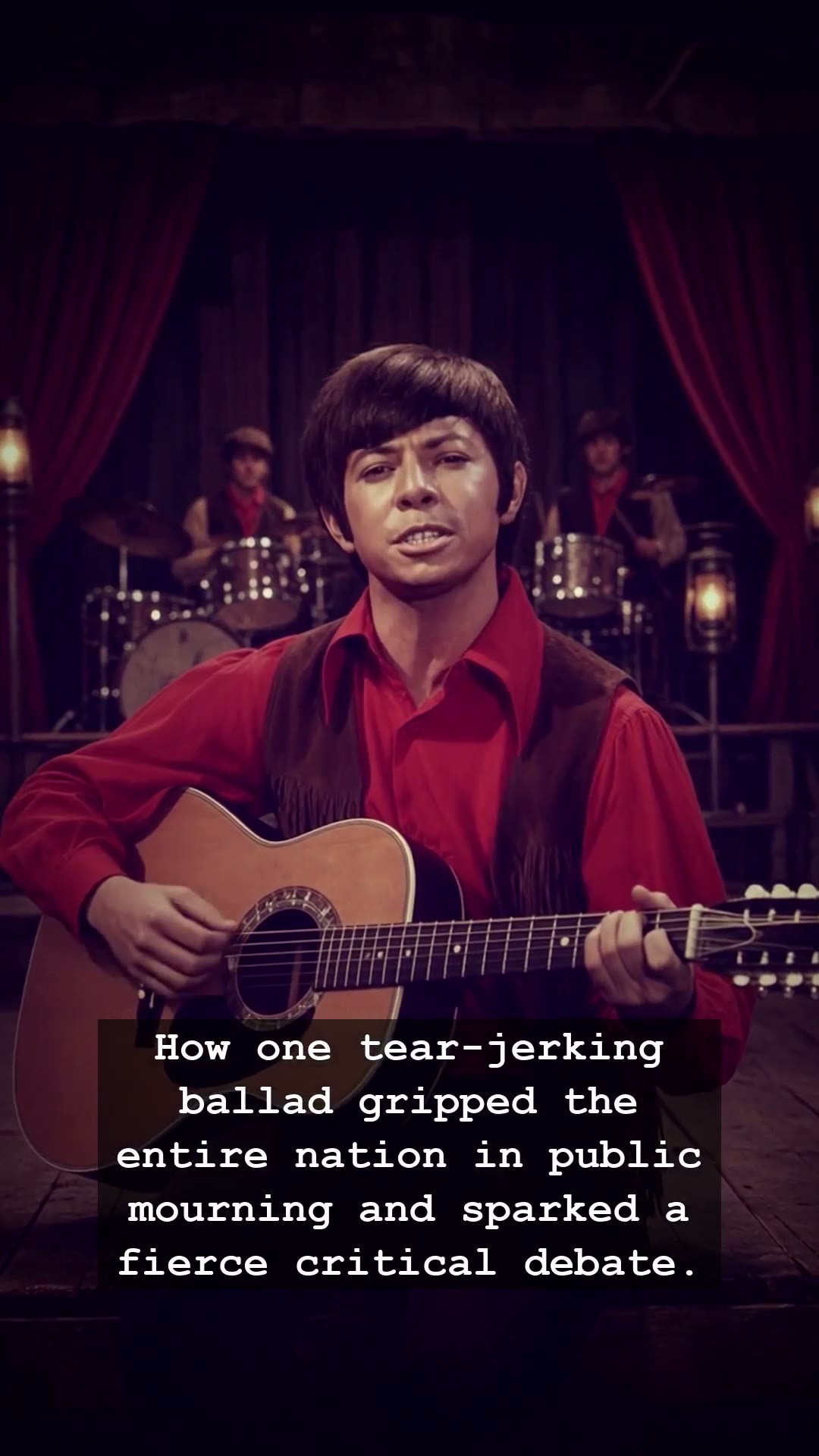
It began as a simple, shaky demo tape that sounded like nothing else on the radio in 1968. At a time when the world was fracturing under the weight of political protests and the Vietnam War, Bobby Goldsboro delivered a song so devastatingly sorrowful that it seemed to stop the clocks. Honey, a ballad about the death of a young wife, did not just climb the charts; it gripped the American consciousness with a haunting, suffocating intensity that kept it at number one for five consecutive weeks. For a nation already reeling from tragedy, this record became a lightning rod for raw, unfiltered public mourning.
Bobby Goldsboro was known for his polished, gentle crooning, but with Honey, he tapped into a well of grief that felt uncomfortably real. The song tells the story of a man recounting the simple, domestic joys of his deceased partner, lingering on the memory of a tree she planted and the way she cared for him. As the record spun on Jukeboxes across the country, listeners found themselves weeping into their coffee. However, not everyone was moved by the saccharine sentimentality. The song ignited a ferocious critical debate that would define the era of the late sixties, with many music critics branding it as the most manipulative, mawkish piece of drivel ever to grace the Billboard Hot 100.
While the critics sharpened their knives, calling it a maudlin exercise in exploitation, the public felt a strange, cathartic relief. In the pre-MTV era, where music was the primary emotional vessel for the masses, Bobby Goldsboro provided a space for a kind of communal crying that felt forbidden in the hardened landscape of the late 1960s. The drama wasn’t just in the lyrics; it was in the friction between the establishment critics who dismissed it as trash and the millions of housewives and factory workers who felt seen and heard by the song’s relentless melancholy.
Behind the scenes, the studio recording session was reportedly just as somber as the final product. Bobby Goldsboro managed to capture a singular moment of vulnerability that is rarely seen in pop music today. It was a time before heavy digital production could polish away the rough edges of human emotion. The success of the track is a testament to a bygone era where a single, slow-burning ballad could dominate the airwaves and infiltrate every household from the bustling streets of New York to the quietest corners of the Midwest.
Decades later, Honey remains a polarizing artifact of American pop history. It serves as a ghostly reminder of a time when the emotional stakes of a pop song could feel like a matter of life and death. Whether you view it as a masterpiece of emotional storytelling or a manipulative tear-jerker, the impact of Bobby Goldsboro on the musical landscape of the twentieth century is undeniable. The next time you find yourself digging through a crate of dusty vinyl, take a moment to listen to that fragile, mournful melody and wonder what it was about that specific, sad song that managed to break the heart of a nation.