
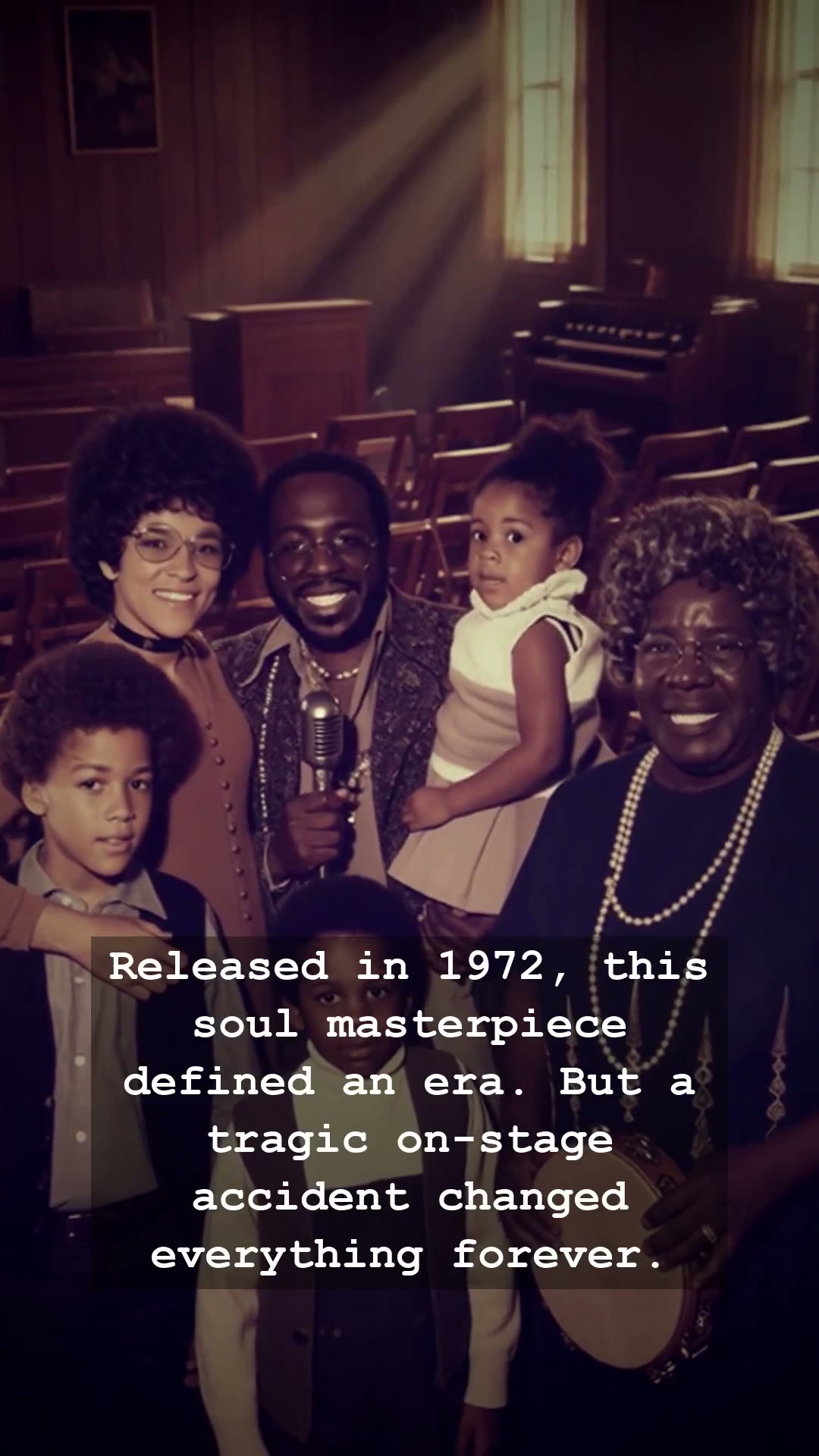
In the golden age of American soul, few voices possessed the grit, grace, and prophetic wisdom of Curtis Mayfield. By 1972, he had already redefined the sound of a generation with his poignant social commentary and smooth, guitar-driven melodies. His masterpiece album, Super Fly, became the heartbeat of urban America, capturing the tension and the rhythm of the streets in a way that had never been done before. It was a time when the needle dropping on a vinyl record in a dimly lit apartment felt like a spiritual experience, a moment where the world seemed to hold its breath to hear what Curtis Mayfield had to say next.
Yet, the man who sang of liberation and hope was destined to face a darkness that few could imagine. Behind the velvet textures of his music lay a life of relentless creative drive, often performed under the harsh, blinding lights of a music industry that demanded everything. As the seventies transitioned into the neon-soaked era of the eighties, Curtis Mayfield remained a pillar of integrity. He moved through the shifting tides of music, from the funky grooves of the jukebox era to the dawn of the MTV age, always maintaining that signature, hauntingly beautiful falsetto that could break a heart and mend it in the same stanza.
Then came the fateful night in 1990. During a performance in Brooklyn, a powerful gust of wind caused a heavy lighting rig to collapse, striking Curtis Mayfield directly on the stage. The accident left him paralyzed from the neck down, an unimaginable catastrophe for a man whose life was rhythm and movement. The tragedy sent shockwaves through the industry, effectively silencing one of the most important voices of the twentieth century. For a man who had dedicated his life to empowering others through lyrics, the loss of physical mobility was a devastating blow that forced him into a new, quiet reality.
Despite the gravity of his injuries, the spirit of Curtis Mayfield proved indestructible. In one of the most heart-wrenching and heroic chapters in music history, he returned to the studio years later to record his final album, New World Order. Unable to stand or play the guitar as he once had, he painstakingly sang his vocals one line at a time, often lying down to find the strength to let the notes escape his throat. It was a testament to a man who lived for his craft, proving that while his body was shattered, his artistic soul remained entirely intact.
Today, we look back at the legacy of Curtis Mayfield not just for the hits, but for the profound humanity he brought to the airwaves. His music remains a vital thread in the fabric of American history, reminding us of the resilience required to speak truth to power. As we spin those classic records today, we hear more than just notes; we hear a survivor. The next time you find yourself lost in the smooth, soulful depths of his tracks, remember the man who played through the pain and left us a soundtrack for the ages.