
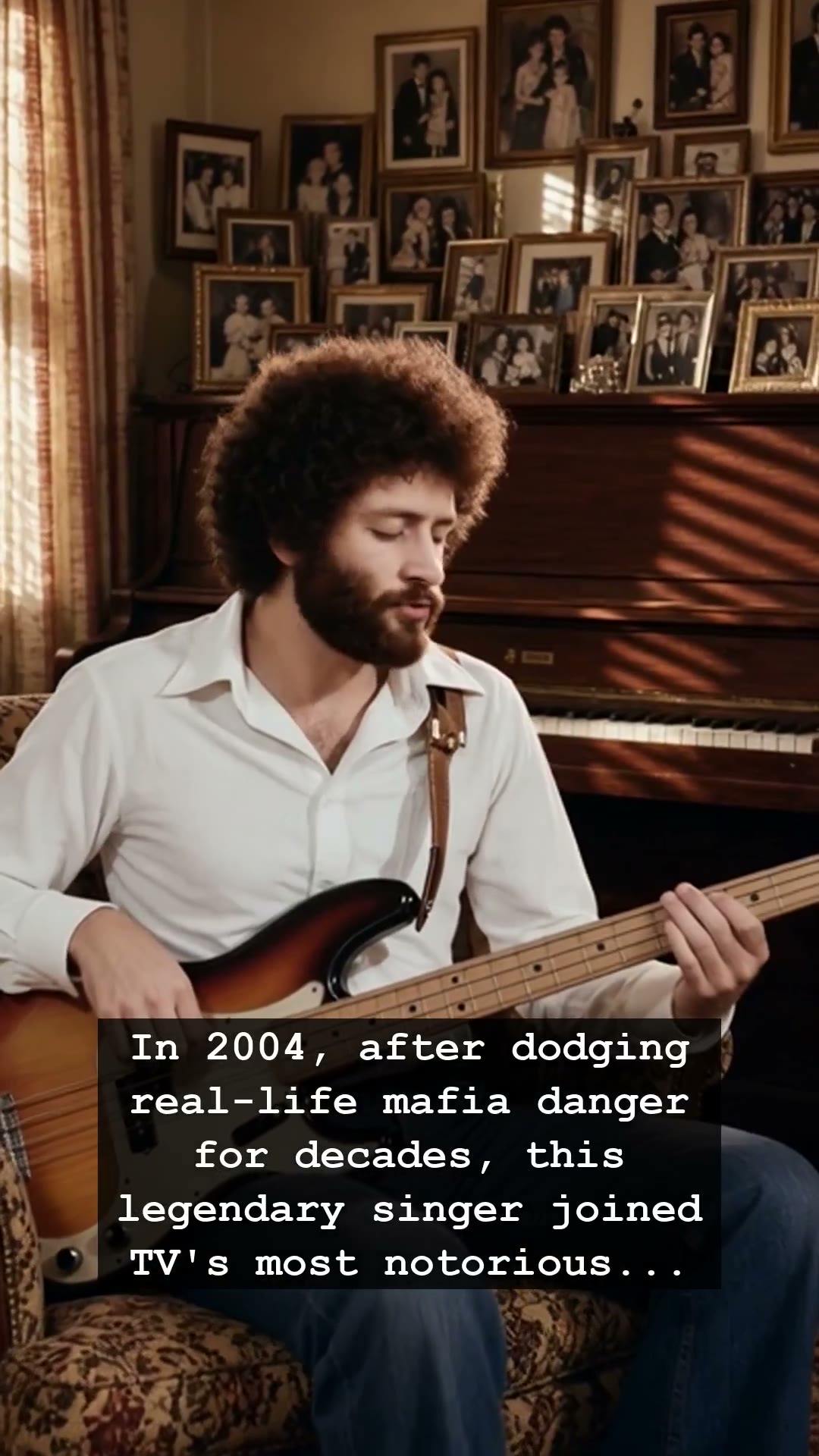
The golden age of 1960s pop was often painted in neon lights and velvet harmonies, but for Frankie Valli, the reality of life in New Jersey was far grittier. Before he became the voice behind legendary anthems like Sherry and Big Girls Don’t Cry, Frankie Valli was navigating a world where the line between music business success and the local mob was dangerously thin. For decades, the Four Seasons frontman lived in the orbit of powerful figures, watching the real-life drama unfold behind the closed doors of dimly lit social clubs. It was a high-stakes game of survival that would define his resilient character long before he ever stepped onto a Hollywood set.
While the rest of the world was swooning over the polished sounds emerging from the Jukebox, the men behind the music often faced pressure that went far beyond the Billboard charts. Frankie Valli knew the cost of fame in an era where protection was a commodity and silence was often the only way to stay alive. The stress was constant, a quiet hum of danger that accompanied his meteoric rise to stardom. Yet, he navigated these turbulent waters with a stoic professionalism, channeling the intensity of his surroundings into the emotional falsetto that would eventually make him a global icon. He was the quintessential Jersey boy, surviving the streets while mastering the stage.
The true irony of his life did not reveal itself until 2004, when the aging legend made a triumphant return to the public consciousness. In a stroke of casting genius that felt like a bridge between eras, Frankie Valli was cast in The Sopranos, television’s most notorious depiction of mob life. Playing the role of Rusty Millio, a cold-blooded New York captain, Valli finally stepped into the world he had spent his youth merely observing from the sidelines. Watching him portray a mobster was more than just a cameo; it was a surreal meta-narrative that perfectly captured the dark, complicated relationship between New Jersey music culture and the organized crime syndicates that lurked in the background.
Fans who grew up listening to the Four Seasons on their Walkman during the seventies or saw them rise during the surf-rock transition were captivated by this late-career pivot. It added a layer of profound authenticity to the show that few other actors could provide. Frankie Valli wasn’t just acting; he was bringing decades of lived experience, caution, and local wisdom to the screen. The gravitas in his performance as a mafia captain was earned through a lifetime of watching the real thing play out in his own backyard.
Today, the legacy of Frankie Valli continues to transcend his music. He remains a symbol of an era where art was forged in the heat of real-world struggle. Whether you remember him for the high-octane energy of his early hits or his chilling performance in Tony Soprano’s world, there is no denying the lasting impact of his journey. From the shadows of Jersey to the center of cultural milestones, Frankie Valli stands as a testament to the fact that the best stories are the ones that are lived, not just told. Next time you hear the opening notes of a Four Seasons classic, remember the man behind the voice who saw the dark side of the American dream and lived to sing about it.