
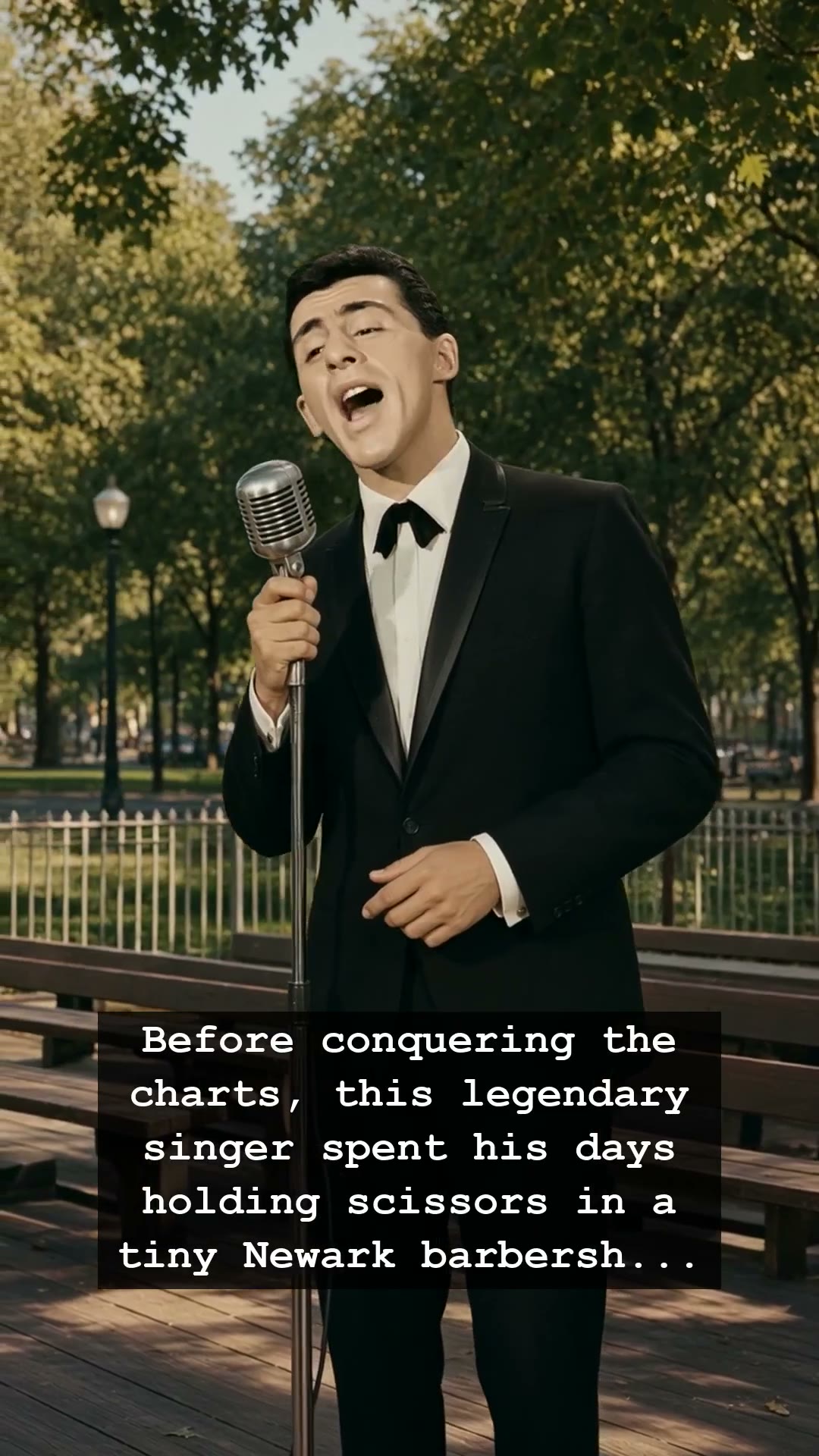
In 1953, the air in a cramped Newark barbershop was thick with the scent of talcum powder and the sound of buzzing clippers. To the local patrons, Frankie Valli was just another kid with a pair of scissors, diligently trimming hair to make ends meet in a working-class neighborhood. Little did they know that the hands holding those shears would soon be gripping microphones in sold-out arenas across the globe, defining the sound of an entire generation. Before the glitz, the chart-topping records, and the iconic falsetto that would pierce through the static of every home radio, Frankie Valli was a man chasing a ghost of a dream in the shadow of industrial New Jersey.
The music scene of the 1950s was a competitive, cutthroat arena, and Frankie Valli was hungry for his break. While his days were spent performing mundane tasks to survive, his nights were dedicated to the grueling labor of vocal harmonies and club hopping. The transition from a local barber to a musical titan wasn’t just luck; it was a testament to the sheer grit required to survive the era. He was navigating the transition from the jukebox-dominated era to the dawn of the rock and roll explosion, refining his signature voice that would eventually become the unmistakable heartbeat of The Four Seasons.
As the years progressed, Frankie Valli transformed from an aspiring dreamer into a cultural phenomenon. His rise was marked by the kind of dramatic tension that defines rock music history—the struggle of Italian-American boys from the streets trying to claim their slice of the American Dream. Through the lens of the late fifties and early sixties, Frankie Valli navigated a landscape filled with mob influence, underground recording deals, and the fickle nature of the Billboard charts. His resilience in the face of constant rejection became the foundation for his legendary longevity in the music industry.
The magic of Frankie Valli lies in how his voice captured the desperation and romance of the American youth. When you hear that piercing falsetto today, it instantly transports you back to an era of high-waisted trousers, classic convertibles, and the communal warmth of a local soda fountain. Even as the music scene shifted toward the psychedelic sounds of the late sixties and the later disco fever of the seventies, Frankie Valli remained a constant, reinventing his image while staying true to the melodic roots that brought him fame in the first place.
Today, we look back at the Newark barbershop not just as a location, but as a symbolic starting line for a man who refused to let his circumstances define his ceiling. The journey of Frankie Valli is a poignant reminder that even the most massive icons once walked the earth as ordinary people, grinding in obscurity before finding their light. His story continues to resonate because it is, at its core, a human story—one of ambition, talent, and an unwavering belief in a melody that was just waiting to be heard by the world.