
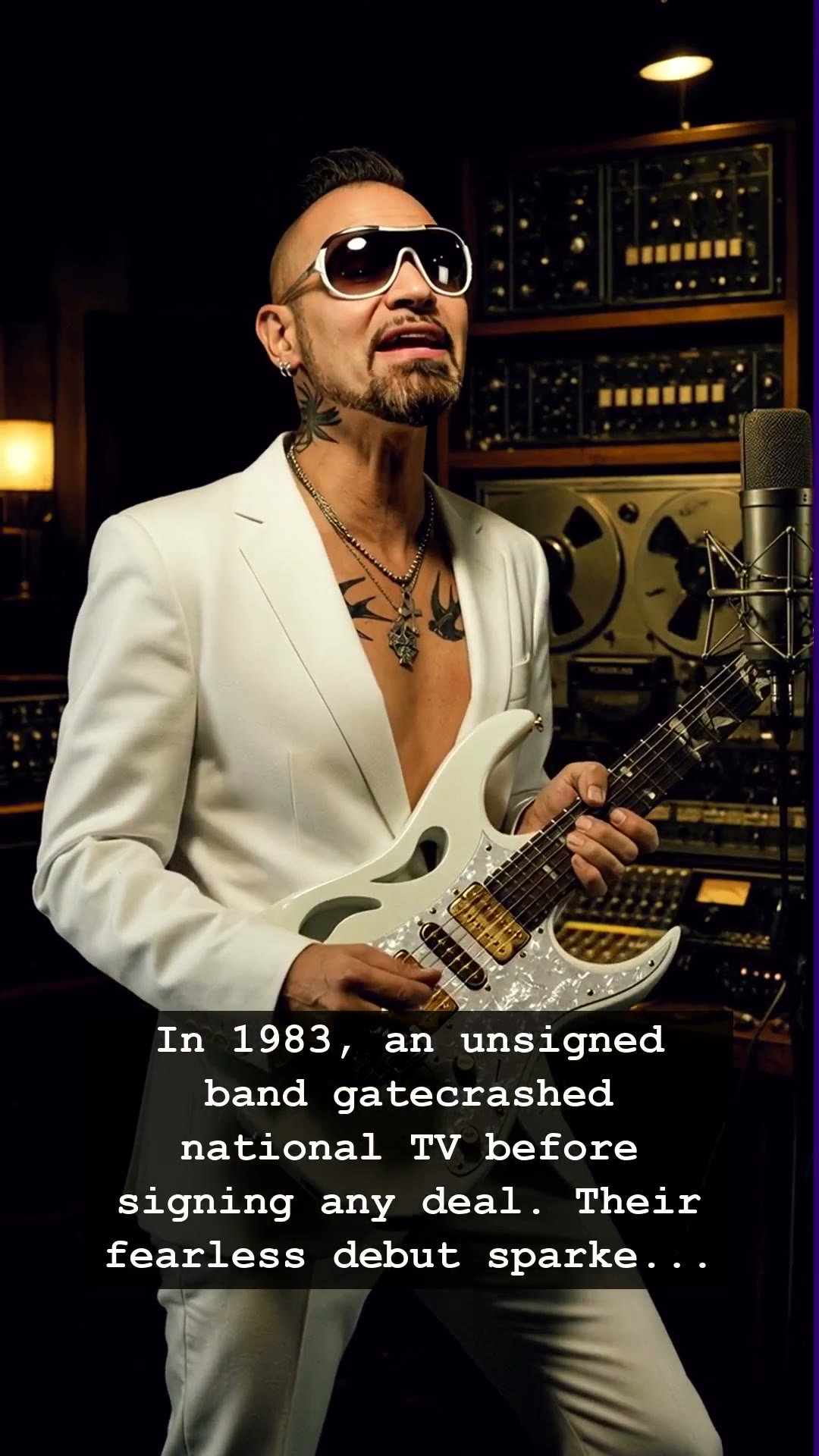
In 1983, the Australian airwaves were a fortress, guarded by gatekeepers who demanded polish, pedigree, and a signed contract before letting anyone step into the limelight. Yet, a hungry, unsigned synth-pop outfit named Pseudo Echo decided to rewrite the rules. They did not just knock on the door of the music industry; they kicked it down. In a moment of pure, unadulterated audacity, Pseudo Echo managed to gatecrash national television before they had even signed a record deal, delivering a performance so electric it sent shockwaves through the industry and ignited a ferocious bidding war that would define the pop aesthetic for the years to come.
Imagine the scene: the neon-soaked glow of the early eighties, where the crisp, synthetic pulse of a keyboard was the new frontier. Before the ubiquity of MTV turned every band into a household name, television was a prestigious, rare stage. Pseudo Echo understood that in the synth-pop era, visibility was the ultimate currency. With their hair teased to the heavens and their synthesizers humming with a futuristic urgency, they walked onto that set with the swagger of legends who had nothing to lose. Their arrival felt like a glitch in the mainframe of broadcast television, a deliberate, high-voltage intrusion that captured the hearts of a generation hungry for something fresh and synthetic.
This wasn’t just a gimmick; it was a testament to the raw hunger of the era. The sound of Pseudo Echo was the perfect marriage of sophisticated machinery and youthful rebellion. They embodied the transition from the grit of seventies rock to the pristine, digital sheen of the MTV age. When they performed, the raw energy they projected made the record executives watching at home sit bolt upright. It wasn’t long before the major labels were scrambling, desperate to claim the band that had dared to bypass the traditional route to stardom. This incident remains a fascinating piece of music history, a snapshot of a time when sheer charisma and a catchy hook could shatter the most rigid industry protocols.
The legacy of Pseudo Echo serves as a reminder of an era when the music felt like it was moving at the speed of light. Every time you pull a classic cassette from its case or hear that unmistakable hum of an analog synth, you are touching the spirit of the early eighties. The band proved that you didn’t need a heavy-handed manager or a corporate contract to make a dent in the universe; you just needed the bravery to step into the light and command the audience’s undivided attention. Their story is a dramatic highlight in the grand tapestry of synth-pop, marking the moment when the underground rose up to seize the mainstream.
Looking back, the bravado of that 1983 television appearance feels like a relic of a more adventurous time. The music landscape was transforming, moving away from the stadium anthems of the seventies toward the sleek, neon-drenched future that would soon dominate the airwaves. Pseudo Echo didn’t just participate in that shift; they accelerated it. Their fearlessness left an indelible mark on pop culture, proving that history is often written by those who dare to crash the party before they are invited. As we look back on their journey, we are reminded that in the world of rock and roll, sometimes the best way to get noticed is to simply take the stage by storm.