
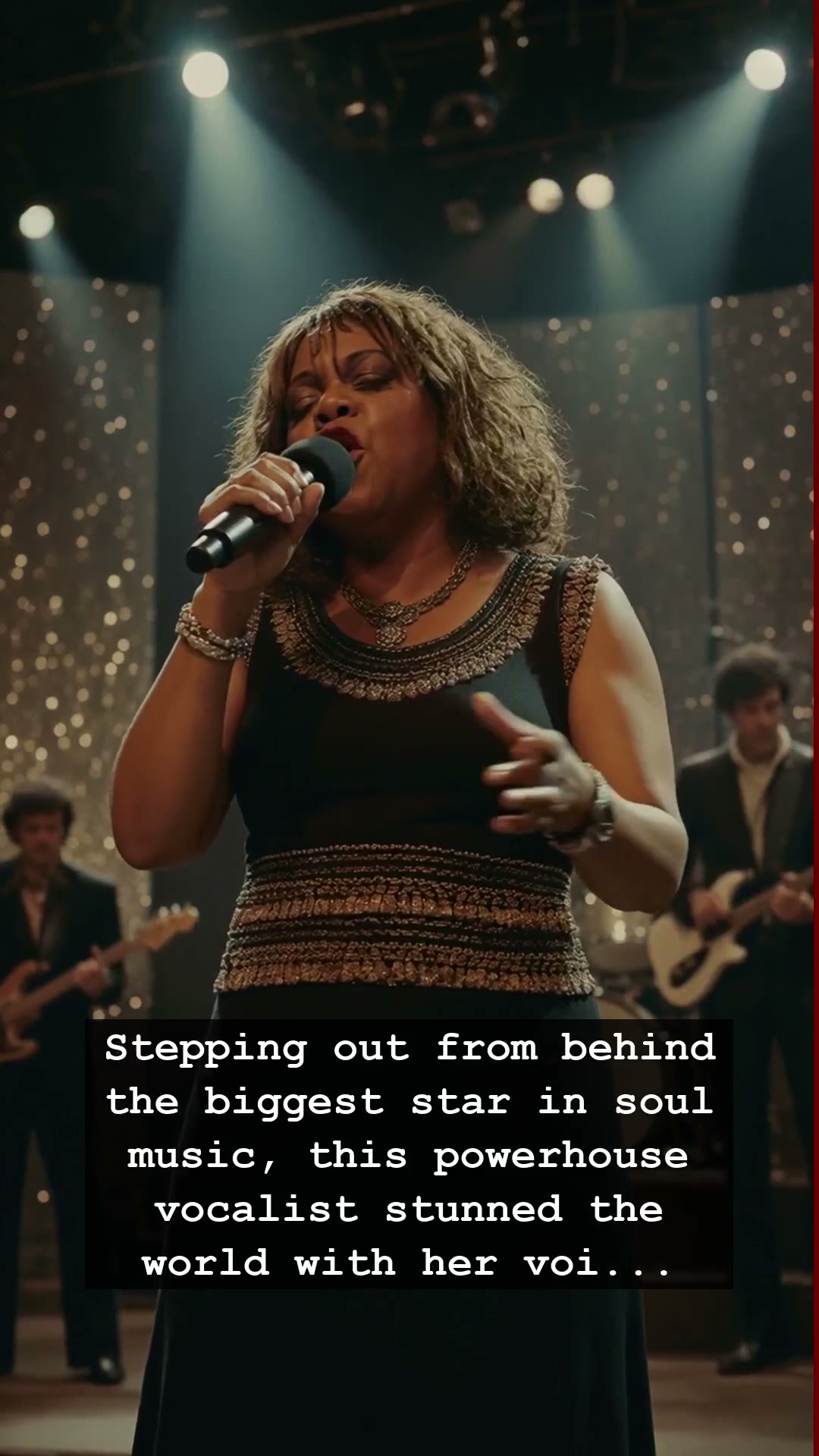
In the golden era of the 1970s, where the neon pulse of Studio 54 defined the nightlife and the crackle of a vinyl record on a Sunday morning felt like a religious experience, one voice stood out as truly ethereal. Before she was a household name, Deniece Williams was the secret weapon behind the biggest star in soul music. For years, she was a fixture in Stevie Wonder’s Wonderlove, her voice weaving through the intricate, kaleidoscopic soundscapes of Motown royalty. But behind the scenes, away from the glittering lights of the arena tours, Deniece Williams possessed a power that refused to stay in the background. It was only a matter of time before that soaring, angelic soprano was destined to claim the spotlight for itself.
Transitioning from a background vocalist to a solo powerhouse is rarely a smooth ascent, especially in an industry that preferred to keep its stars in predictable boxes. Yet, when Deniece Williams stepped into the center stage, she didn’t just sing; she transcended. With hits like Free, she captured the restless, romantic spirit of a generation caught between the fading soul movement and the rising tide of disco. Her music became the soundtrack to personal awakenings, played on heavy, chunky Walkmans and blasted from jukeboxes in crowded diners across America. She brought a level of technical precision and raw, emotional honesty that made listeners pause, listen, and feel every soaring octave.
Her journey is a testament to the grit hidden beneath the polished glamour of 1970s soul. While the public saw a radiant performer draped in elegance, the industry was a grueling landscape of late-night studio sessions and immense pressure to replicate success. Deniece Williams managed to navigate this landscape with a rare grace, refusing to let the heavy machinery of fame crush her artistic identity. She wasn’t just another voice in the choir; she was a force of nature who understood that real longevity in music isn’t just about the chart-topping numbers, but about the connection established with the listener through a single, perfect melody.
The magic of her rise lies in how effortlessly she made the transition feel. When you hear that distinct, crystalline range today, it evokes a visceral memory of a time when music felt larger than life. It reminds us of an era when you had to be a genuine master of your craft to survive the transition from a collaborator to a standalone icon. Deniece Williams carved her own path, proving that being a supporting player was never a limit, but rather an apprenticeship for greatness.
Decades later, her influence remains etched into the soul of American music. Whenever we hear those timeless records today, we aren’t just listening to a song; we are stepping back into a moment where a powerhouse voice finally claimed what was hers. Deniece Williams serves as a poignant reminder that while history often focuses on the frontmen, the true magic sometimes waits in the shadows, ready to emerge and change the world forever. Do you remember the first time her voice stopped you in your tracks?