
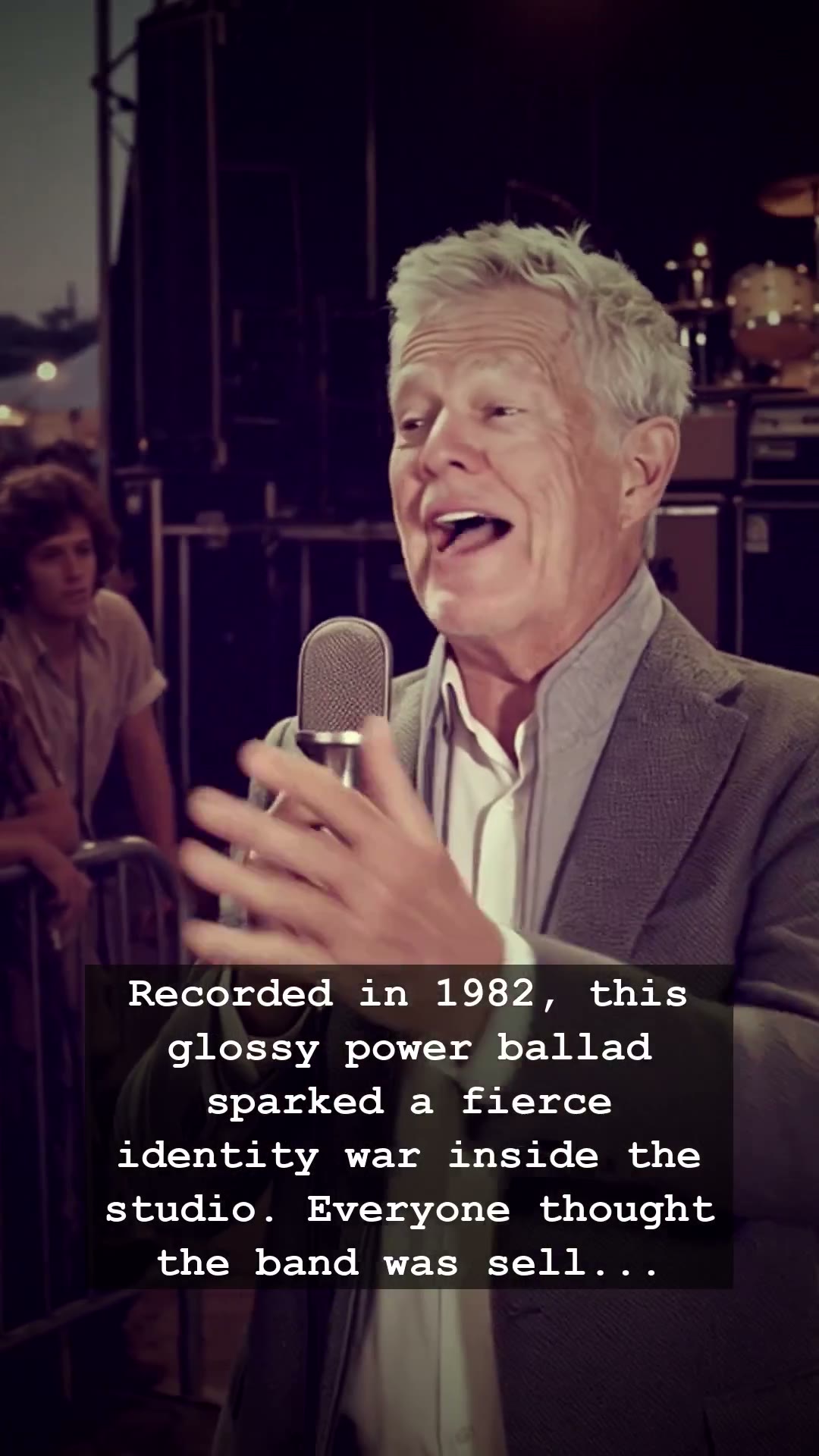
It was 1982, and the music industry was undergoing a tectonic shift. In the age of emerging MTV stardom and the polished sheen of the synth-pop revolution, the legendary brass-rock ensemble Chicago stood at a perilous crossroads. Their jazz-fusion roots felt like a relic of a bygone era, and the group was hemorrhaging both creative momentum and commercial relevance. The tension inside the studio was thick enough to cut with a razor, as the band members locked horns over their own survival. Everyone thought the band was finished, a fossil of the seventies gasping for air, until a bold gamble by producer David Foster changed everything.
David Foster was the golden-eared architect of the power ballad, known for a pristine, glossy production style that terrified the band’s old-school purists. As he stepped into the studio, he brought with him a controversial vision: to transform Chicago from a gritty, horn-heavy jazz-rock collective into the polished masters of the sophisticated adult contemporary sound. For the band, this felt like an identity crisis. Some members viewed Foster’s heavy-handed arrangement as a betrayal, a cynical move to ‘sell out’ their artistic soul for the sake of radio play and mainstream chart dominance. The studio became a battlefield of egos and clashing musical philosophies.
Yet, the result of this fierce internal war was a timeless masterpiece. David Foster pushed the band to embrace vulnerability, stripping away the complex improvisational solos to make room for sweeping, cinematic melodies. The power ballad that emerged from those volatile sessions not only saved Chicago from the brink of obscurity but catapulted them into a massive, second-act career renaissance. That specific, shimmering sound defined the early eighties, echoing out of every Walkman and car stereo across the country, proving that even in the face of bitter resistance, a visionary producer could steer a sinking ship toward the summit of the Billboard charts.
This era in music history serves as a reminder of how high the stakes were during the transition from the experimental seventies to the high-gloss commercialism of the eighties. It was a time when bands were forced to decide between staying true to their niche origins or evolving into global sensations. David Foster became the catalyst for this metamorphosis, proving that commercial accessibility did not necessarily mean the end of musical integrity. He understood that the public craved emotional resonance, even if that meant sacrificing the experimental edges that had previously defined the band’s identity.
Today, listening to those 1982 tracks, one can still hear the tension between the grit and the glaze. That legendary collaboration remains a landmark moment, capturing the exact second the music industry pivoted toward the slick, emotive production style that dominated the airwaves for the rest of the decade. It stands as a testament to the messy, complicated process of creating art under the immense pressure of fame and expectation. As we look back at the enduring legacy of this period, we are reminded that sometimes, the most beautiful music is born from the most uncomfortable compromises. When you put on that record, do you hear the band, or do you hear the genius of David Foster’s gamble?