
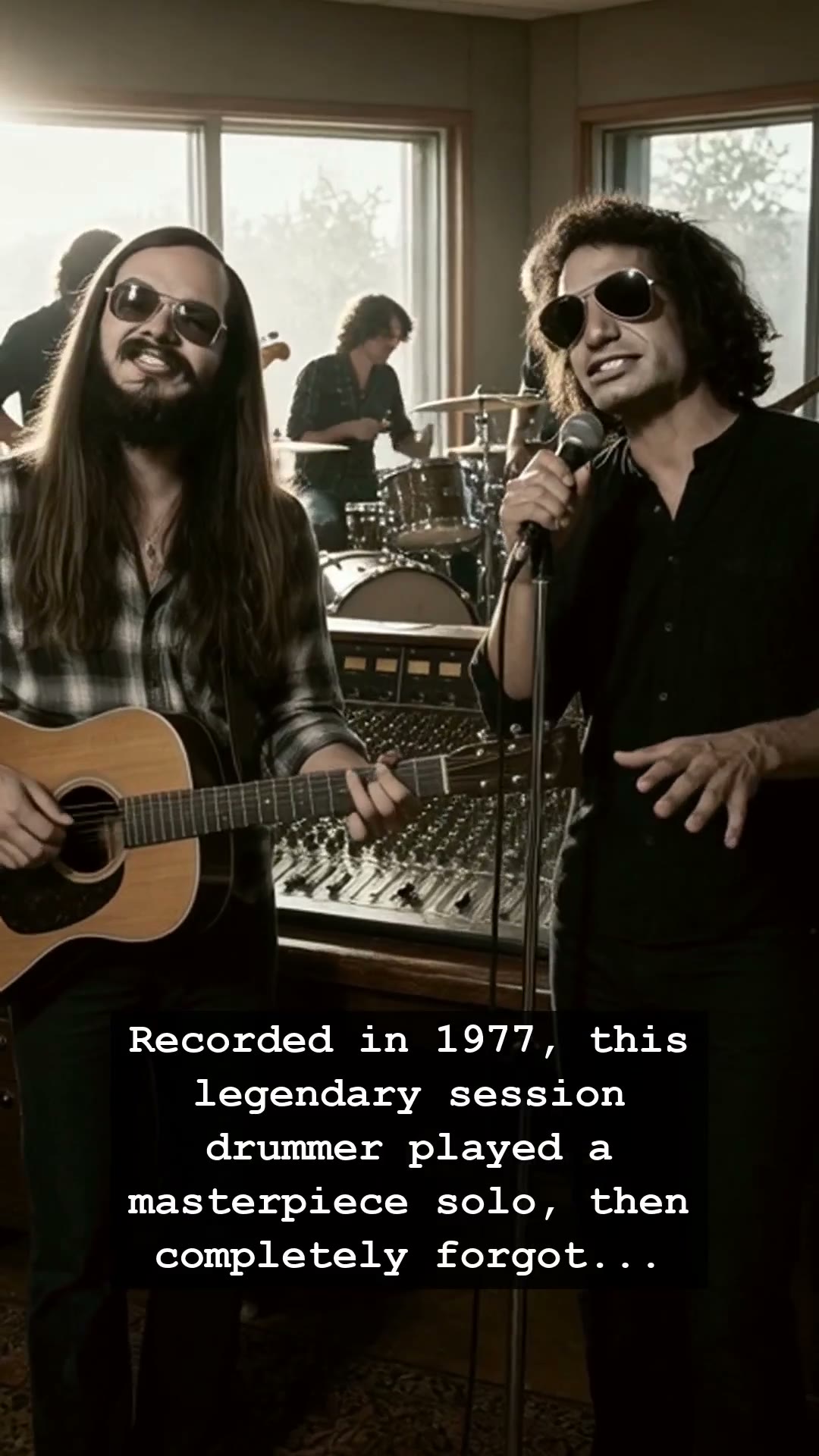
The year was 1977. The air in the recording studio was thick with the scent of stale coffee, cigarette smoke, and the relentless pursuit of perfection that defined the golden age of jazz-rock. Inside the booth, the members of Steely Dan were pushing the boundaries of what pop music could sound like, meticulously crafting the sonic landscape of their masterpiece album, Aja. Sitting behind the drum kit was Steve Gadd, a man whose rhythmic precision and effortless cool had made him the most sought-after session player in the world. He was a machine, a human metronome capable of turning a simple track into an intricate, genre-defying work of art. But in the hazy, high-pressure world of late-seventies recording sessions, even the most legendary moments could slip through the cracks of memory.
During the sessions for the title track, Steve Gadd delivered a drum performance that would eventually be studied, mimicked, and worshipped by musicians for decades. It was a climax of technical prowess and soulful intuition, a masterclass that anchored the entire composition. Yet, the story takes a turn into the surreal. Years later, when Steve Gadd sat down to listen to the finished record, he was genuinely baffled. As the complex, cascading fills of the song washed over him, he found himself listening to a drummer who sounded uncannily like him. He reportedly failed to recognize his own legendary contribution, a testament to just how exhausted, overworked, and deeply embedded in the creative grind he truly was during that iconic era.
This incident captures the bittersweet reality of the 1977 music scene, a time when artists were treated like factory workers in a studio-driven industry. While the public was obsessing over the rise of disco and the glitz of the burgeoning nightlife scene, men like Steve Gadd were living out of their suitcases and spending sleepless nights behind the kit. It was an era before digital convenience, where every snare hit and cymbal crash had to be earned through grit and tactile mastery. The irony is profound: while fans were busy memorizing every beat of Aja, the man who created that magic had simply moved on to the next session, the next paycheck, and the next song.
Today, we look back at the late seventies as a time of immense musical innovation, but we often overlook the toll it took on the legends themselves. Steve Gadd played with a level of genius that transcended his own awareness, proving that some art is so pure it exists independently of its creator. It serves as a reminder that behind every anthem played on a vinyl record or a classic FM radio station, there was a real human being grappling with the overwhelming pressure of artistic expectation.
Whether you are a lifelong Steely Dan devotee or a casual listener of seventies rock, the story of Steve Gadd serves as a nostalgic bridge to a time when studio sessions were epic, mysterious, and deeply human. Next time you drop the needle on Aja, listen closely to those drums and remember the man behind them—a legendary artist who gave us everything, even if he forgot he was the one who played it.