
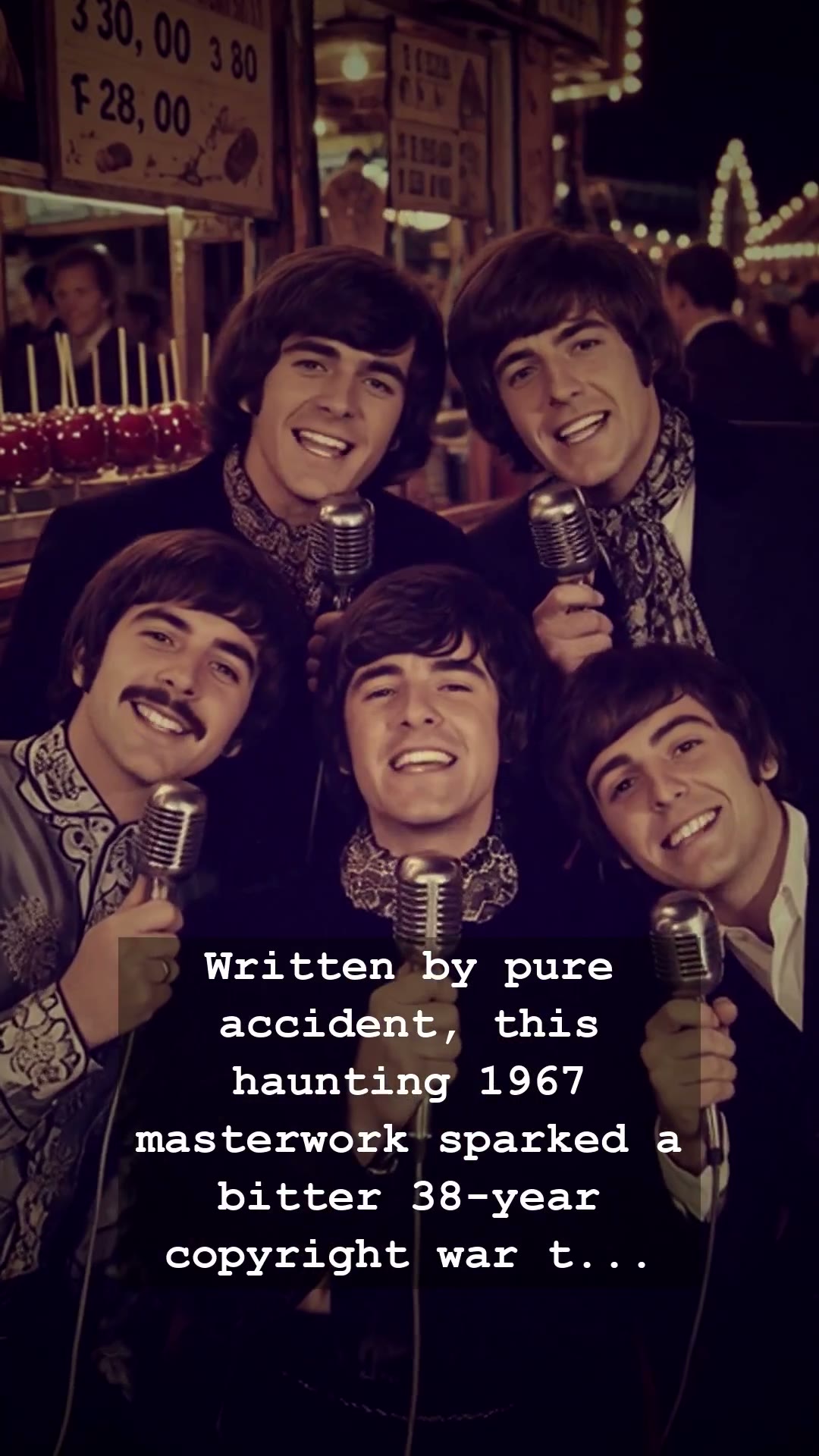
It started in a haze of 1967 incense, an era where the Summer of Love was colliding with the dark, psychedelic experimentation of London’s underground. Procol Harum stepped into the spotlight with a track that felt less like a pop song and more like a ghost trapped in a jukebox. A Whiter Shade of Pale was haunting, baroque, and undeniably iconic, but behind its ethereal organ chords lay a creative spark that would soon ignite into a decades-long firestorm. This was not just a song; it was a musical accident that inadvertently drafted a battle plan for one of the most grueling copyright wars in the history of rock and roll.
At the heart of the mystery was the band’s organist, Matthew Fisher. While the world was mesmerized by the song’s descending chord progression—a sequence that seemed to echo the genius of Johann Sebastian Bach—a bitter seed of resentment was being sown. For thirty-eight years, the legal machinery ground on, turning what should have been a celebration of artistic synergy into a cold, transactional dispute over royalties and authorship. It is a stark reminder that even in the golden age of music, where creativity seemed boundless, the shadow of greed and legal ownership was always looming just off-stage.
To understand the gravity of this drama, you have to picture the mid-sixties music scene. This was a time when Procol Harum moved with a sense of sophisticated melancholy that set them apart from the bubblegum pop of the era. Their sound was a tapestry of classical influence and rock intensity, perfectly capturing the existential weight of a generation that was rapidly changing. Yet, as the band rose to fame, the internal fractures widened. The legal battle that spanned nearly four decades wasn’t just about money; it was about the ego of creation and the desperate need for legacy recognition in an industry that often discards its pioneers like yesterday’s news.
Even now, when you drop the needle on a vintage record player and hear that unmistakable Hammond organ melody, it is difficult not to feel the tension. A Whiter Shade of Pale remains a cornerstone of the psychedelic rock canon, a track that defined the atmospheric shift of the late sixties. However, the legacy of Procol Harum is forever tethered to this courtroom saga. It stripped away the romantic veneer of the rock star lifestyle, exposing the harsh, litigious reality that existed behind the velvet curtains of the recording studio.
The 38-year duration of the fight serves as a somber monument to the fragility of creative partnerships. It serves as a warning that behind every timeless melody, there are human beings caught in the friction of fame and finance. When you listen to the song today, you are hearing more than just a masterpiece of the sixties; you are hearing the echo of a long, silent scream for recognition. As the final chords fade away into history, one must wonder how many other legends are hiding similar scars beneath their most famous hits.