
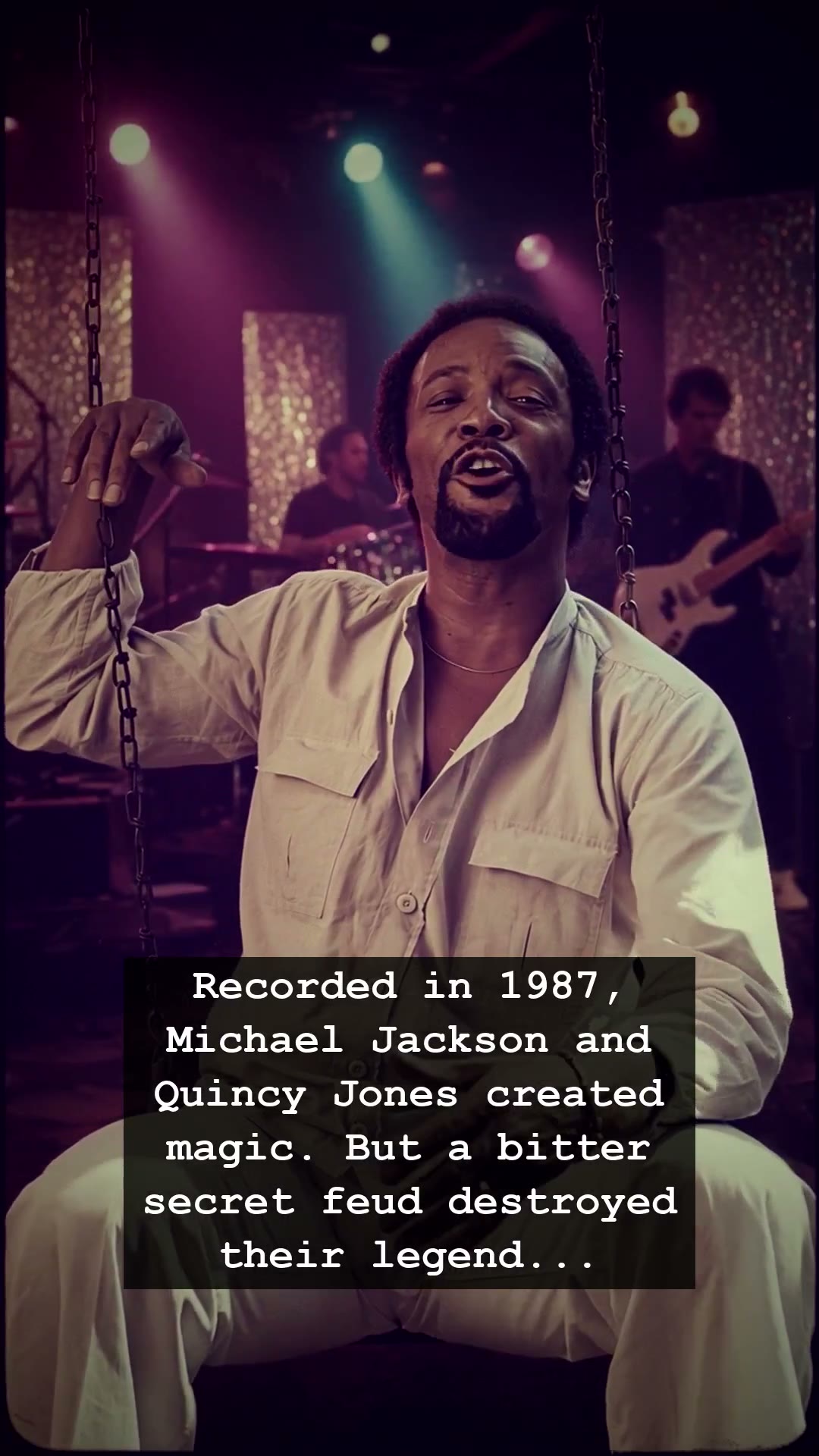
The year was 1987. The world was vibrating to the neon pulse of MTV, and the airwaves were dominated by the heavy, synthesized basslines of a new era. Michael Jackson, the undisputed King of Pop, had returned to the studio with his longtime mentor and creative architect, Quincy Jones. They were crafting Bad, the follow-up to the cultural monolith that was Thriller. To the public, it looked like a victory lap for a musical dream team. But behind the reinforced walls of the recording studio, the camaraderie that had defined a decade of pop history was beginning to disintegrate into an irreparable, bitter feud.
For years, Michael Jackson and Quincy Jones were seen as the Lennon and McCartney of the R&B world. Quincy Jones had polished the young star’s raw talent, guiding him through the transition from child prodigy to a global icon. However, as the sessions for Bad progressed, the power dynamic shifted. Michael Jackson was no longer the malleable youth; he was an artist demanding complete creative control. He wanted to shed the orchestral polish that Quincy Jones loved, craving instead a tougher, grittier sound that would reflect the emerging street culture of the late eighties. The studio, once a sanctuary for their shared genius, became a theater of unspoken resentment.
Observers close to the project noted a palpable tension that hung in the air like smoke in a crowded jazz club. Quincy Jones, a veteran who had navigated the industry since the golden age of big bands, struggled to reconcile his vision with the increasingly idiosyncratic demands of the star. Meanwhile, Michael Jackson felt constrained, stifled by the very mentor who had helped build his pedestal. The friction grew from minor disagreements over track sequencing into profound clashes of ego and artistic identity. It was a classic case of the student outgrowing the teacher, a transition that proved far too painful for their collaborative bond to survive.
When the album finally hit the shelves, the world saw only the polish of the finished product. They didn’t see the silent arguments or the moments where the collaboration nearly imploded. The tragic reality is that while the world danced to the record, the partnership died in that recording booth. The magic was captured on magnetic tape, but the brotherhood was left on the cutting room floor. It remains one of the most significant divorces in music history, marking the end of an epoch that defined the sound of the 1980s.
Looking back, we are left to wonder what other masterpieces might have been born had that bond held steady. Yet, the legacy of their work remains untouched, a testament to a time when Jukeboxes turned into home stereos and music was a visceral, shared experience. Even now, decades later, when we hear the opening notes of a Bad track, we are not just listening to a song; we are witnessing the final, brilliant ember of a partnership that changed the world forever, only to burn itself out in the pursuit of perfection.