
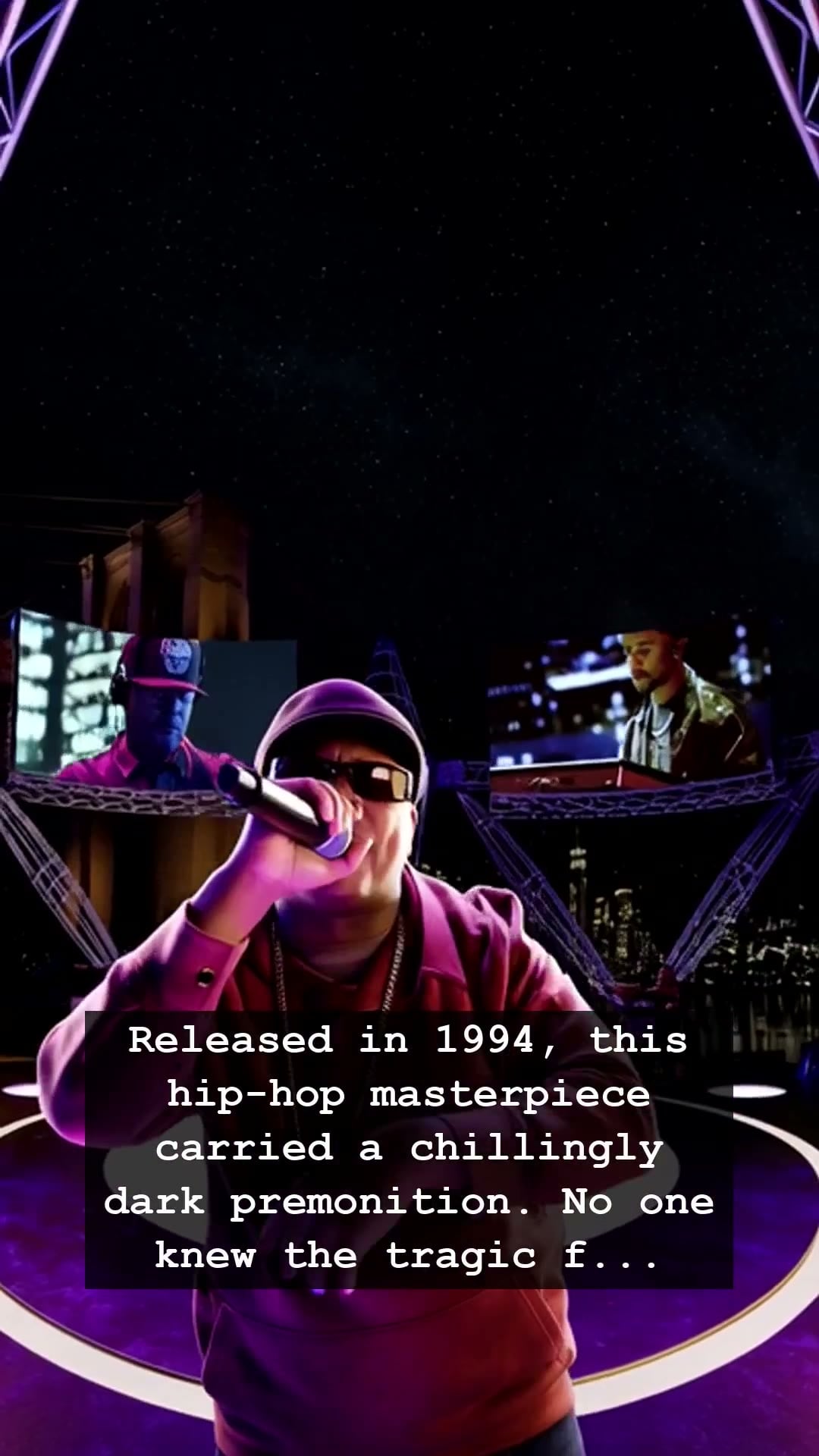
In the hazy, neon-drenched landscape of 1994, hip-hop was bracing for a seismic shift. When The Notorious B.I.G. unleashed his debut studio album, Ready to Die, the world heard more than just raw, unfiltered storytelling; they heard a grim prophecy. While the streets pulsed with the infectious energy of a new golden age, the man behind the microphone, Christopher Wallace, seemed to be whispering a goodbye that few were ready to decipher. The album cover, featuring an innocent toddler with an afro, stood in haunting contrast to the nihilistic weight of the tracks hidden within its grooves.
As the golden era of the nineties unfolded, The Notorious B.I.G. quickly ascended from the Brooklyn shadows to become the undisputed king of New York rap. His flow was effortless, heavy with the texture of urban struggle and the luxury of newfound fame. Yet, there was a persistent melancholy woven into his lyrics. Every time the needle dropped on a vinyl record or a cassette tape hummed in a Walkman, listeners were drawn deeper into a psyche that felt remarkably vulnerable. Biggie Smalls wasn’t just rapping about the hustle; he was detailing the claustrophobia of success and the inevitable ghosts that follow a man who stares too long into the abyss.
The era was a pressure cooker. Between the fierce East Coast versus West Coast rivalry that would soon dominate headlines and the unforgiving gaze of the media, the environment was ripe for tragedy. The Notorious B.I.G. moved through this period like a giant trapped in a glass house, constantly looking over his shoulder. Stories from the studio suggest that he often spoke with a premonitory tone, as if he knew that the fame he had craved so desperately would ultimately become the very thing that consumed him. The title Ready to Die was not merely a marketing gimmick or a rebellious sentiment; it felt like a chilling confession of a soul who had seen too much.
One cannot discuss the legacy of The Notorious B.I.G. without acknowledging the sheer cinematic quality of his storytelling. He painted pictures of the Brooklyn streets with a novelist’s precision, turning dark anecdotes into timeless anthems. Even today, decades later, the crackle of a Jukebox playing a Biggie classic transports us back to a time when hip-hop felt dangerous, visceral, and profoundly human. His voice remains a ghostly presence in our culture, a reminder of a life cut short just as it reached its absolute peak.
Looking back at that pivotal year of 1994, we are reminded of the fragility of legends. The Notorious B.I.G. left us a map of his world, etched in rhythmic brilliance and shadowed by his own dark intuition. As we listen to those classic cuts today, we aren’t just hearing a masterpiece of music production; we are witnessing a man confronting his destiny. Take a moment tonight to listen to Ready to Die again, and you might just hear the haunting truth of a legend who truly knew his time was fleeting.