
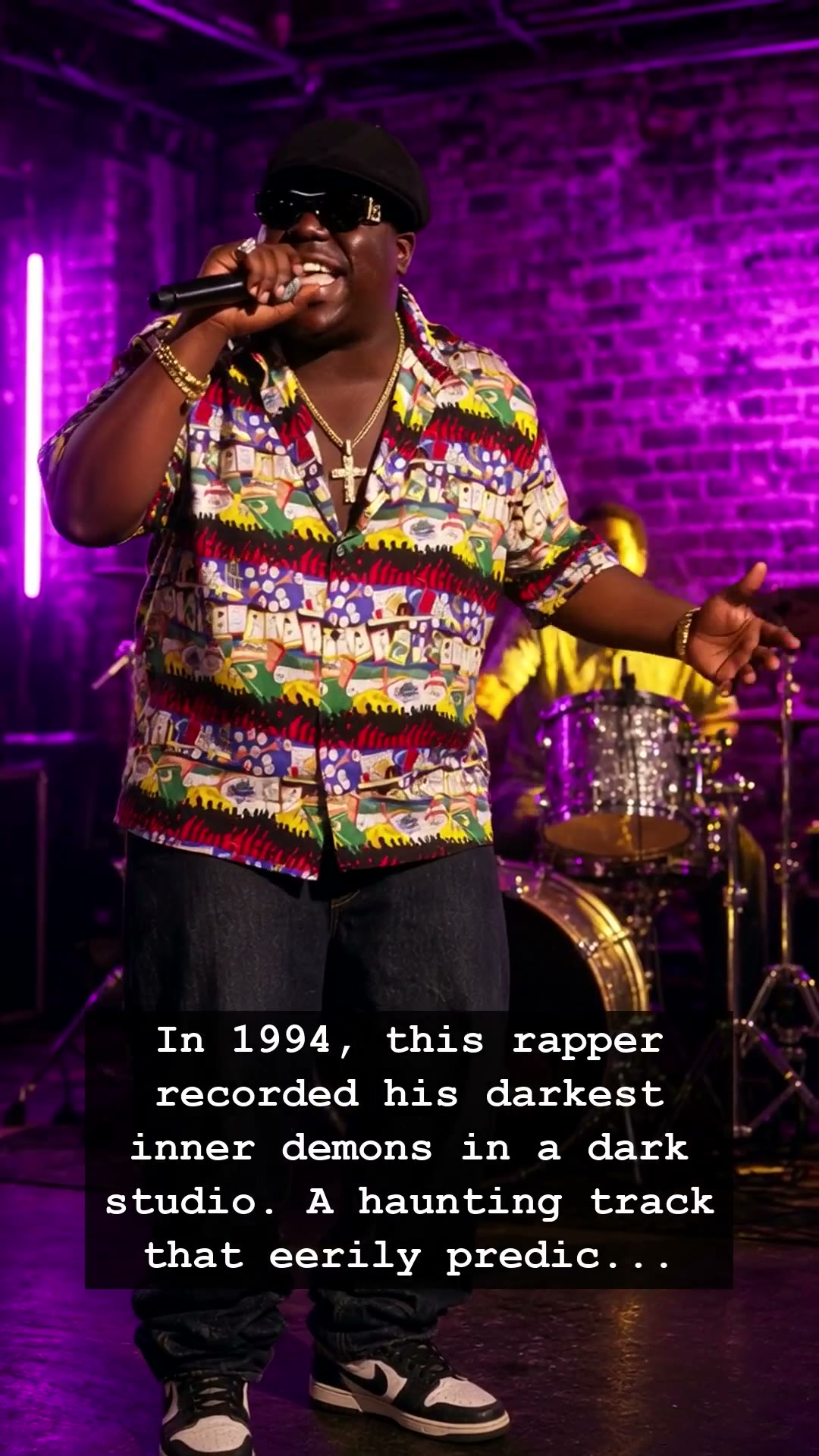
In the dim, smoke-filled air of a New York City recording studio back in 1994, the atmosphere felt heavier than usual. Christopher Wallace, better known to the world as The Notorious B.I.G., was hunched over the microphone, his voice echoing through the booth with a gravity that transcended his young age. While the rest of the hip-hop world was obsessed with the flashy optimism of the rising golden era, Biggie Smalls was peering into a much darker abyss. He was laying down the foundation for Suicidal Thoughts, a track so raw and haunting that it still sends shivers down the spine of anyone who listens to it today.
At the time, the rap scene was dominated by the rising tension between the East and West Coast, a volatile landscape that would eventually tear the industry apart. Inside that booth, Biggie was not just performing; he was exorcising his deepest inner demons. The lyrics were agonizingly vivid, painting a picture of a man spiraling into despair, plagued by the claustrophobia of fame and the suffocating pressure of life in the streets. Little did he know, or perhaps he sensed it through the haze of the studio, that these words would become a chilling, eerie prophecy of his own tragic murder just three years later.
The Notorious B.I.G. possessed a rare, cinematic storytelling ability that made the listener feel every ounce of his internal conflict. He brought the gritty reality of Brooklyn to the global stage, turning his personal struggles into a cultural landmark of the nineties. His life was defined by the dichotomy of immense talent and inevitable tragedy, a story that still resonates with music lovers who remember the heavy, bass-driven sound of the era. Whether it was the golden age of MTV or the rhythmic pulse of a Walkman on a subway train, his voice was the heartbeat of a generation caught in a violent cultural shift.
Behind the gold chains and the larger-than-life persona, Christopher Wallace was a man haunted by the very success he worked so hard to achieve. The industry’s dark underbelly, fueled by ego and dangerous rivalries, eventually closed in on him. When you listen to the haunting production of his early work now, it feels less like a record and more like a premonition. It serves as a stark reminder of the fragile line between legendary status and a life cut tragically short in the glare of the public eye.
Decades later, the legacy of The Notorious B.I.G. remains untouchable, standing as a testament to the power and the pain of true artistry. His story is a permanent fixture in the annals of American music history, reminding us that even the brightest stars are often burning out against a backdrop of unavoidable shadows. As we look back at the era of the jukebox and the birth of modern hip-hop stardom, we are left wondering how much he truly saw coming. Do you remember where you were the first time you heard those haunting bars?