
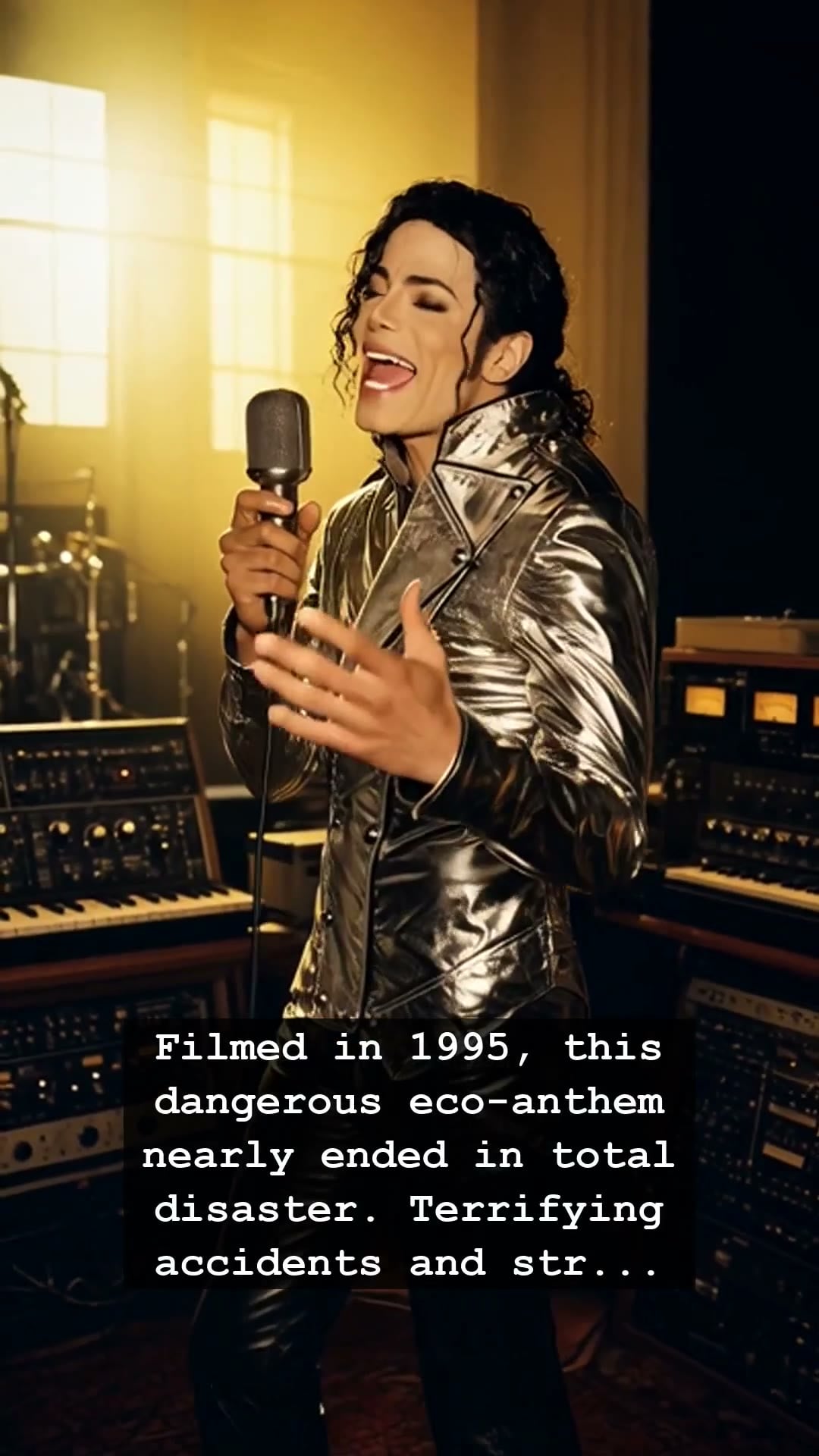
In the mid-nineties, MTV was the heartbeat of global culture, and Michael Jackson remained its undisputed king. Yet, tucked away in 1995 was a project that transcended mere pop stardom. The production of Earth Song was far from the polished perfection fans expected; instead, it was a terrifying descent into a cinematic nightmare. Filmed across four continents, from the smoldering ruins of the Amazon to the war-torn landscapes of Croatia, the shoot was plagued by logistical chaos and genuine peril. For those of us who grew up watching the flickering cathode-ray tube of our television sets, the sight of Michael Jackson amidst a literal inferno was not just a music video, it was a visceral, haunting protest against our vanishing world.
The making of the short film was nothing short of a disaster in the making. As the director and crew braved burning jungles and crumbling war zones, the pyrotechnics often spiraled out of control. There were reports of near-misses with explosives that terrified the cast and pushed the strict filming curfews to their breaking point. Michael Jackson, always known for his relentless pursuit of perfection, insisted on performing his part in the eye of the storm, surrounded by fire and debris that would have sent lesser performers running for cover. It was a raw, dangerous gamble that almost cost the production its soul, yet it resulted in one of the most powerful visual statements of his entire career.
Looking back, Earth Song serves as a dark time capsule of an era grappling with ecological anxiety and political upheaval. While the pop charts were dominated by the rising tide of grunge and the glossy sheen of dance-pop, Michael Jackson chose to use his massive platform to scream about the environment. It was an ambitious, sweeping anthem that felt leagues away from the studio-bound hits of the eighties. The video captured a sense of urgency that resonated with a generation feeling the first tremors of climate change, making the images of scorched earth and weeping skies feel uncomfortably prophetic.
The weight of the fame Michael Jackson carried during this era was immense. Between the constant media scrutiny and the pressure to outdo his own historical achievements, this project became a vessel for his own emotional catharsis. The stark, gritty cinematography stands in contrast to the polished glamour of his earlier hits, reflecting a man who was becoming increasingly detached from the industry and more concerned with the state of humanity. It is a masterpiece of tension, where the music carries the weight of a planet on the verge of collapse.
Even decades later, the haunting melody and the intensity of those flames linger in our collective memory. We remember where we were when we first saw it, sitting in front of our bulky televisions, transfixed by the sight of a global icon crying out for the earth. The chaos on set was a small price to pay for a moment of such profound, lingering artistic honesty. Does the song still hold the same power for you today, or has the world simply grown colder in the years since it first graced our screens?