
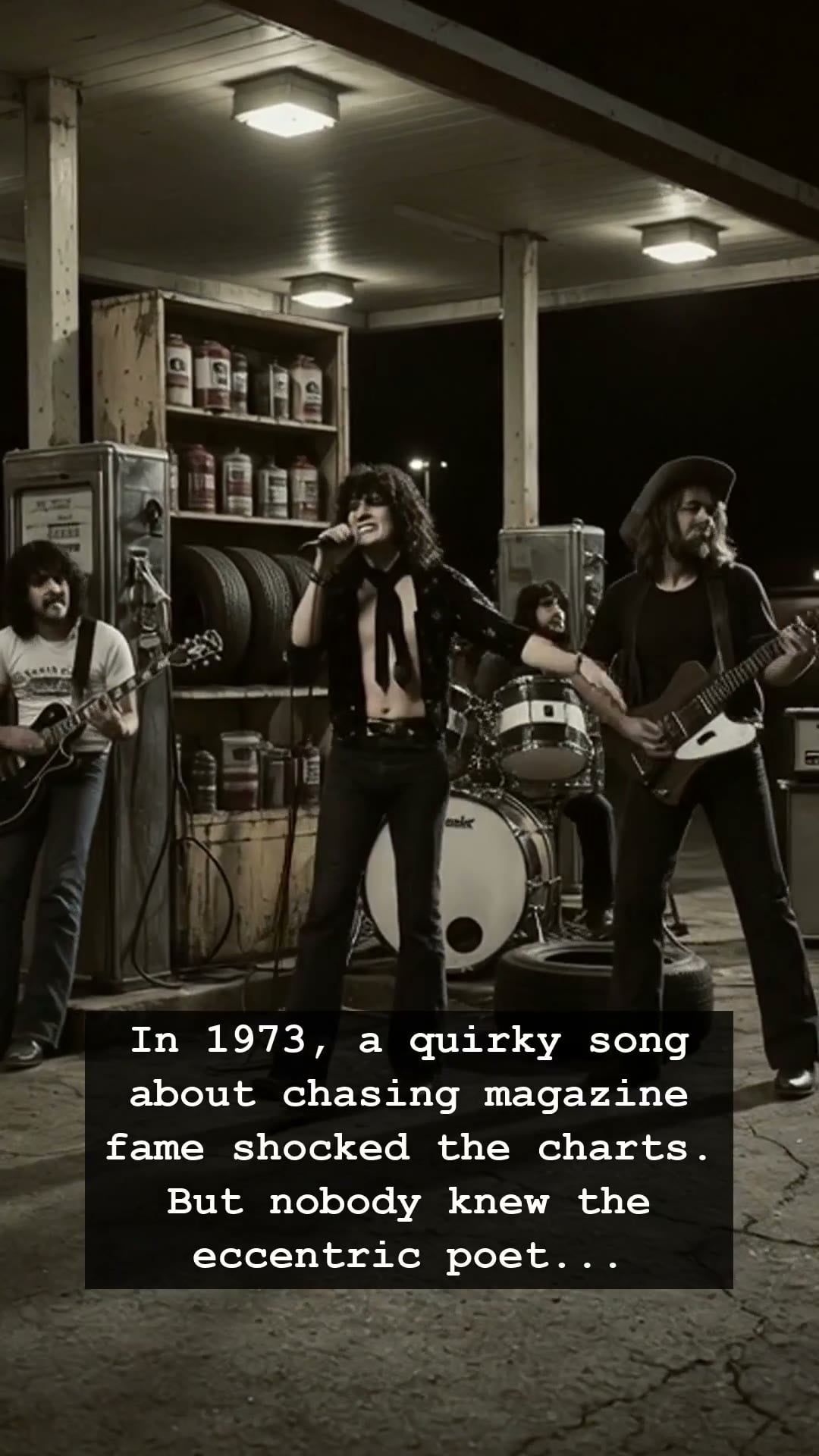
In 1973, a cheeky, irreverent anthem blared from every jukebox across America, capturing the bizarre desperation of fame in a way few songs dared to attempt. The song was The Cover of Rolling Stone, a track that turned Dr. Hook and the Medicine Show into overnight sensations. It was a satirical, foot-stomping tune about the intoxicating allure of vanity and the dream of gracing the front page of the world’s most influential music magazine. While the song became a massive cultural touchstone during the golden era of rock, the story behind its creation remains one of the most intriguing footnotes of the seventies.
Behind the eccentric masks and the band’s carnival-like persona lay a secret that most listeners never realized. The song was not birthed from the band’s own struggles in a smoky studio, but was penned by the legendary, eccentric poet and songwriter Shel Silverstein. Known primarily for his whimsical children’s books, Silverstein was a complex, dark, and brilliant figure who lurked in the background of the music industry. He saw through the hypocrisy of the era, crafting a narrative that poked fun at the very industry the band was desperately trying to conquer. It was a masterclass in irony: a song about wanting fame, written by a man who moved through the shadows of the culture he was satirizing.
As the song climbed the charts, the band transformed from a scrappy group of musicians into household names, their faces eventually making it to the actual cover of the magazine they mocked. Yet, the fame was a double-edged sword. Beneath the surface of their upbeat, radio-friendly hits, Dr. Hook and the Medicine Show faced the same grueling pressures that defined the rock and roll lifestyle of the early seventies. The constant touring, the haze of chemical excess, and the volatile personalities within the group created a tension that felt worlds away from the bouncy rhythm of their chart-topping success. It was the classic rock tragedy: laughing on the outside, while struggling to find identity in a landscape that demanded constant reinvention.
Looking back, the song serves as a portal to an era where the divide between art and celebrity was blurring. It reminds us of the days of analog authenticity, before digital algorithms decided what was popular. We lived in a time defined by the crackle of vinyl, the shared experience of the radio, and the genuine hunger for stardom that felt achievable yet elusive. The track by Dr. Hook and the Medicine Show remains a permanent fixture of our collective nostalgia, a musical reminder of how we once perceived the power of the press and the absurdity of the spotlight.
Even today, the song resonates because it speaks to the universal human desire to be seen and validated. Whether you were rocking out to them in a crowded arena or hearing the tune drift through a dusty record shop, the legacy of Dr. Hook and the Medicine Show is etched into the soul of seventies music. They weren’t just a gimmick; they were a mirror held up to the music industry, reflecting our own obsession with fame back at us with a wink and a smile. Do you still remember where you were the first time that catchy, sardonic chorus started playing?