
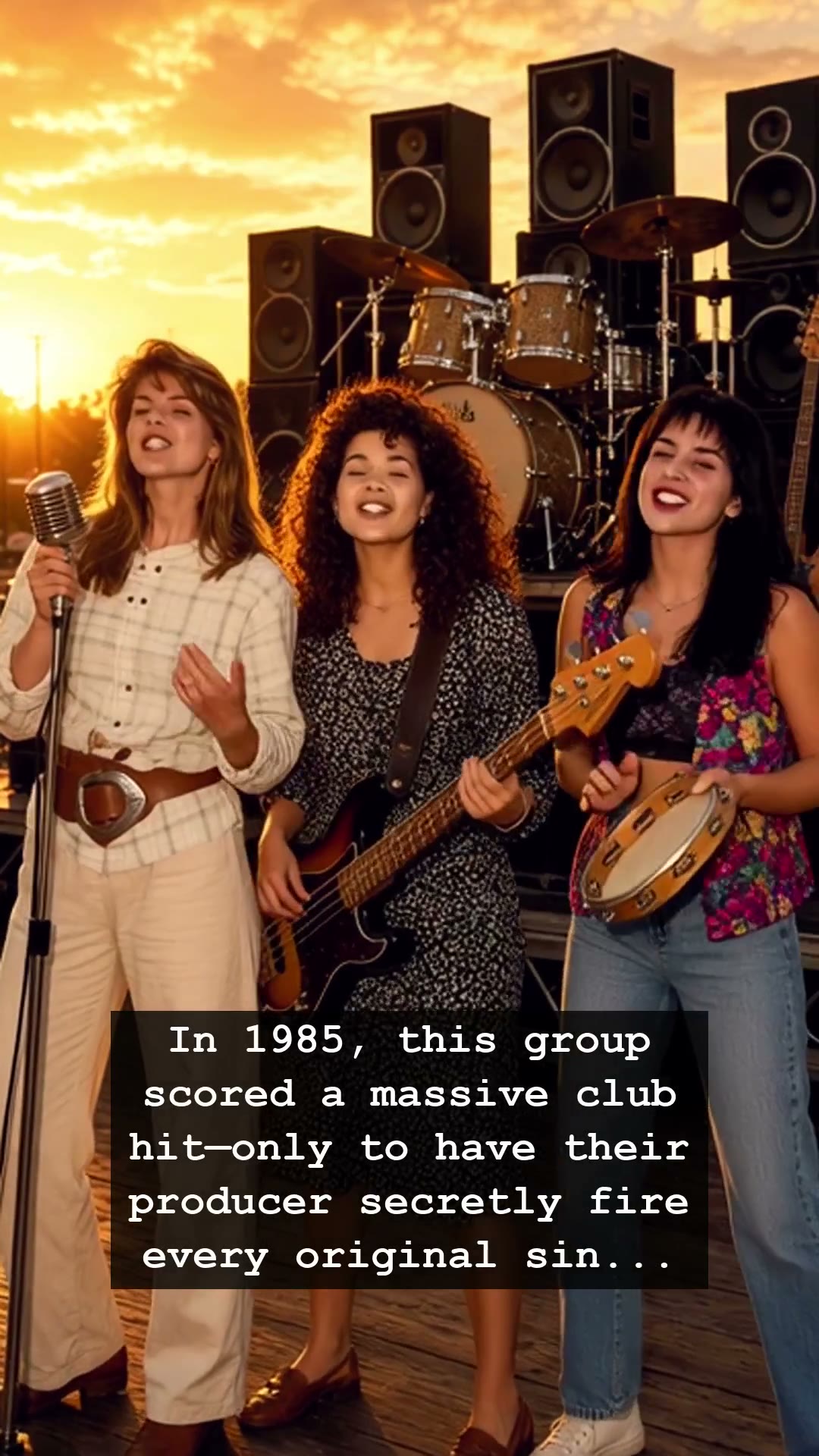
The year was 1985, a time when the neon pulse of the underground club scene was dictated by the crisp, synthesized beats of freestyle music. Within the walls of sweaty, strobe-lit venues, a track was climbing the charts with unstoppable momentum. Expose, the group that would soon dominate the airwaves, seemed to have it all: the look, the sound, and the hook that kept everyone dancing. But behind the glitz of the burgeoning club culture and the emerging influence of MTV, a cold, calculated betrayal was unfolding in the silence of the recording studio.
The producers of Expose had stumbled upon a goldmine. The song was infectious, a masterpiece of 80s synth-pop precision that begged for radio play. Yet, just as the track transitioned from the dark corners of the dance floor to the mainstream spotlight, a bombshell dropped. Without warning, the producers fired every single original vocalist who had poured their heart and soul into the recording. These women, who were the authentic voices behind the hits that packed the clubs, were abruptly discarded like yesterday’s news. It was a move so ruthless it echoed the cutthroat nature of the music industry in the mid-80s, leaving the original artists in a state of professional and personal heartbreak.
To understand the shock, one must remember the era. The mid-80s were a transition period where image was rapidly becoming more valuable than authentic artistry. Producers looked at a group like Expose not as a band of musicians, but as a brand that could be repackaged. By scrubbing the original singers from the project, the management sought to exert total control over the image they were selling to a hungry public. It was a classic case of the machine devouring its own creators, a cautionary tale that still resonates with music historians and fans of the golden age of pop who value the human soul behind the synthesizers.
The public, caught up in the vibrant energy of the era, remained largely unaware of the silent purge happening behind the velvet ropes of the industry. The hit kept playing on the radio and on Walkmans across the country, while the original voices—the very people who defined the sound of the project—were silenced. This wasn’t just a business disagreement; it was a erasure of talent that defined the darker, more exploitative side of the pop factory system. It stripped away the humanity of the music, reminding us that for every chart-topping anthem of the 1980s, there was often a tragic story of sacrifice or exploitation buried in the liner notes.
Decades later, the story of Expose remains a jarring reminder of the cost of fame. As we look back at the era of synth-pop, we should celebrate the voices that gave the music its magic, even if they were once cruelly cast aside by those who profited from their brilliance. While the hits still play on nostalgic playlists, the memory of those original singers serves as a testament to the resilience of true artistic spirit in a world that often prefers a manufactured product. Next time you hear those iconic 80s synths, remember the faces that were hidden in the shadows of the spotlight.