
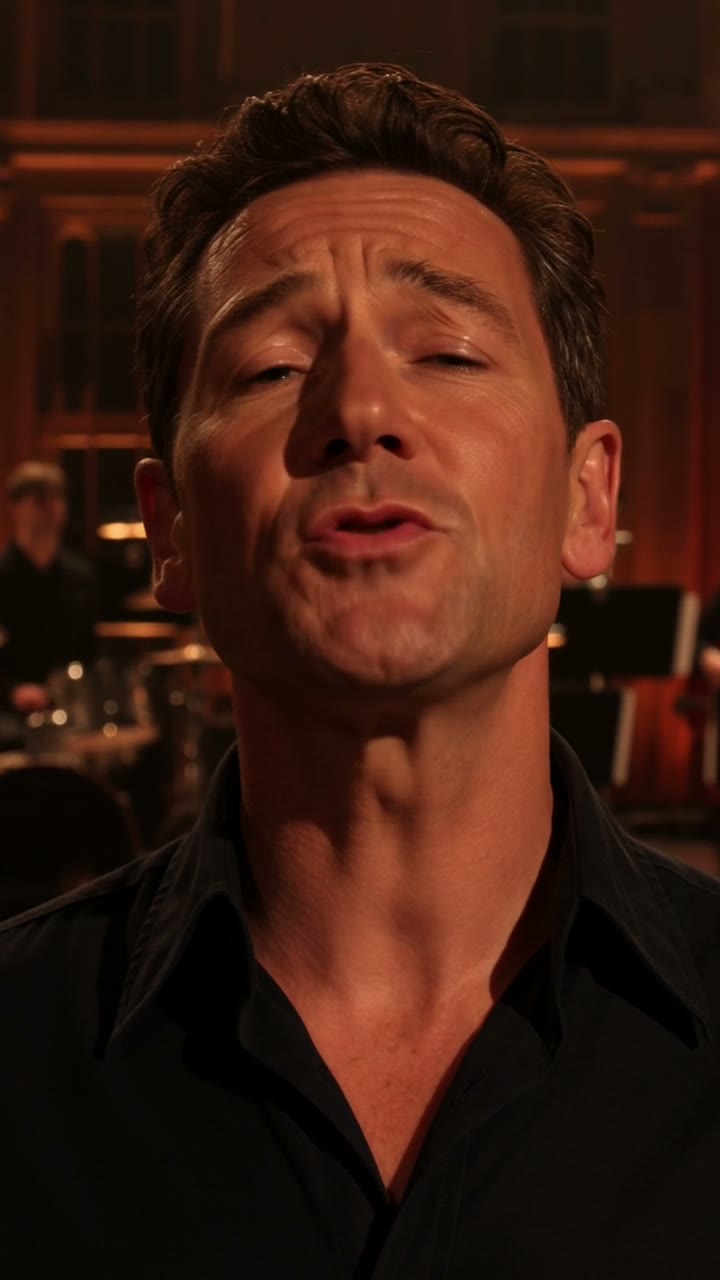
It is the sound of late-night urban loneliness, a wailing, piercing saxophone hook that cut through the disco-saturated airwaves of 1978. When Gerry Rafferty released Baker Street, it became an instant classic, a melancholic anthem for anyone who had ever felt adrift in the concrete labyrinth of a city. The song catapulted Gerry Rafferty to international superstardom, earning him a place in the pantheon of songwriting greats. Yet, beneath the polished production and the smooth, shimmering melody that defined the late seventies, a bitter story of industry neglect and a legendary check was brewing—a story that remains one of the most debated mysteries in music history.
The genesis of Baker Street was born from the wreckage of Rafferty’s previous band, Stealers Wheel. Exhausted by legal battles and the crushing weight of industry contracts, Gerry Rafferty sought solace in the grime and glamour of London. He spent hours traveling back and forth on the train to visit friends in Baker Street, an experience that fueled his creative fire. The song was a cinematic journey, capturing the transition from the psychedelic experimentation of the sixties to the slick, professional studio polish that would soon come to define the MTV era. It was a masterpiece of atmosphere, yet its most famous moment—the riff that every amateur musician tried to mimic on their Walkman—almost never happened.
The soul of the track is undoubtedly that iconic saxophone line, played by session musician Raphael Ravenscroft. It is haunting, triumphant, and instantly recognizable. However, the legacy of that session has been stained by a persistent, shocking rumor: that for his monumental contribution to a multi-million-selling global hit, Ravenscroft was allegedly paid with a bounced check for a mere twenty-seven pounds. Whether the check truly bounced or was simply a symbolic, insulting pittance in the face of the song’s massive commercial success, the anecdote has become a cautionary tale about the cruel mechanics of the music business.
For Gerry Rafferty, Baker Street was both a blessing and a gilded cage. He was a man of deep, introspective talent who often struggled with the glare of the spotlight. The song became so ubiquitous that it began to overshadow his nuanced, folk-infused songwriting. While fans across the globe toasted to his success in the smoky corners of pubs and at the peak of the disco movement, Rafferty was increasingly retreating from the industry that had treated him so impersonally. The drama surrounding the payment of the session musicians mirrored the broader exhaustion many artists felt during that transitionary period between the idealism of the seventies and the corporate machinery of the eighties.
Decades later, the melody of Baker Street still echoes with the same resonance. It persists not just because of its composition, but because it feels like a genuine human document of a man trying to find his way home. When you listen to that saxophone today, you are hearing the intersection of brilliance and bitterness. Gerry Rafferty left us a timeless treasure, but he also left a reminder that even the most beautiful music is often forged in the fires of personal struggle. As we look back at the era of vinyl and analog tape, the legend of that twenty-seven-pound check serves as a stark, humanizing reminder of the hidden costs of fame.