
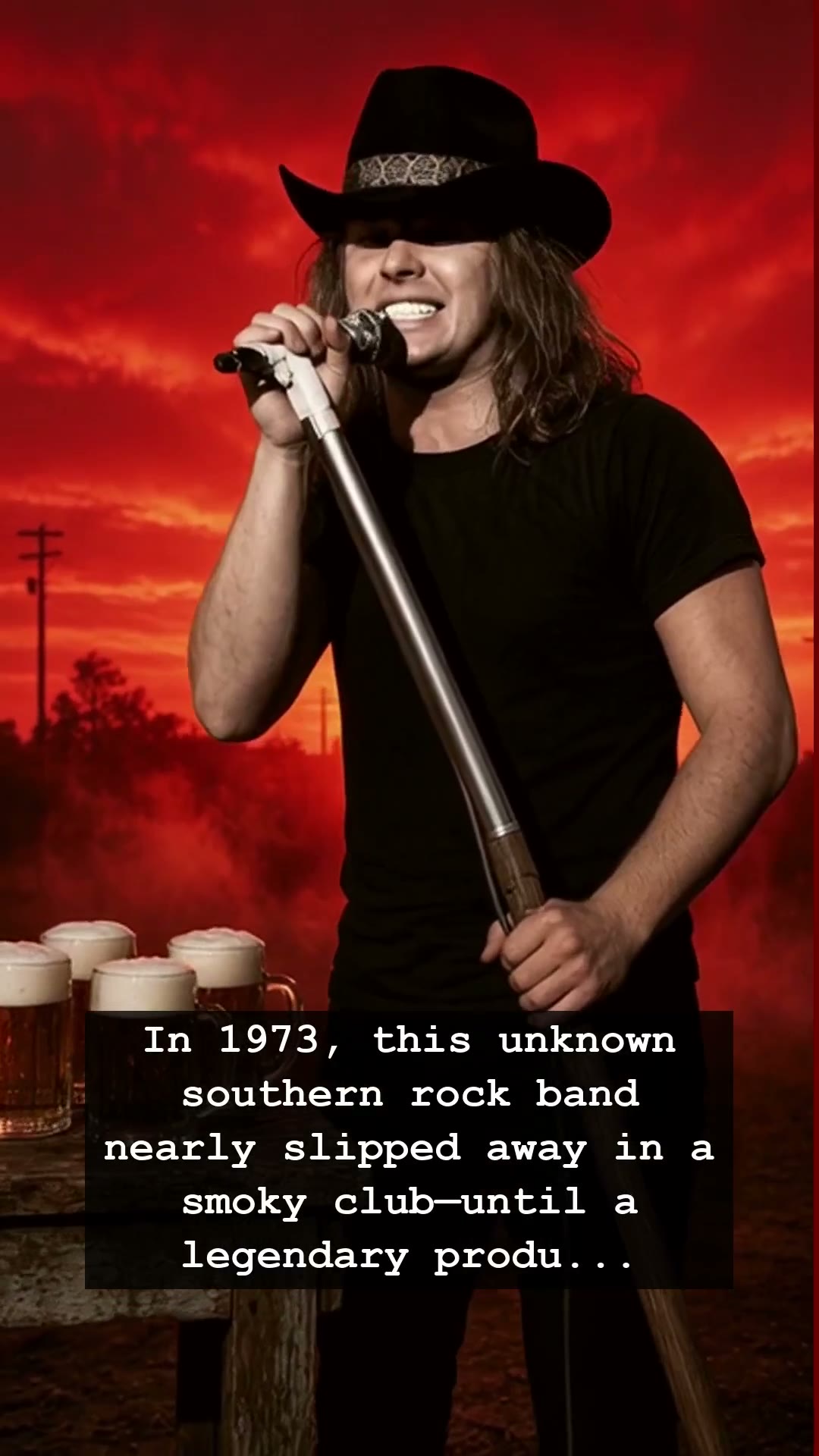
In 1973, the air in a cramped, smoke-filled Atlanta club was thick with the scent of cheap beer and anticipation. A group of scruffy musicians from Jacksonville was tearing the roof off the venue with a sound that felt like raw, unfiltered rebellion. Al Kooper, a legendary producer who had already helped shape the sound of the era, happened to be in the crowd that night. As he watched the band deliver an explosive performance, he realized he was witnessing something untamed, something that would define the Southern Rock genre forever. He knew that if he walked out that door without signing them, he would be letting a piece of history vanish into the shadows. He didn’t hesitate, and Lynyrd Skynyrd was thrust onto the global stage.
That night, the world caught its first real glimpse of the band’s signature barroom anthem, Free Bird. The song was more than just a track; it was a sprawling, nine-minute odyssey that shifted from a melancholic southern ballad into an adrenaline-fueled guitar duel that felt like a baptism by fire. Before the rise of Arena Rock took over the airwaves in the late 70s, Lynyrd Skynyrd brought an authentic grit to the mainstream. They were the voice of the working class, a band that captured the spirit of the open road and the desperate need for freedom that pulsed through the veins of every teenager who ever cranked a radio dial in their beat-up muscle car.
But behind the soaring riffs and the triumphant stage presence, Lynyrd Skynyrd was a powder keg of personality and conflict. The band carried the weight of the South on their shoulders, often finding themselves at odds with a music industry that didn’t always understand their fierce independence. The drama wasn’t just in the music; it was in the brotherhood, the substance-fueled late nights, and the relentless pressure to keep topping the charts. This was the era of the Jukebox and the burgeoning influence of FM radio, and every member of the band knew that one wrong note could be the difference between immortality and obscurity.
The genius of the band lay in their ability to transform a sweaty dive-bar experience into a stadium-sized anthem. Even today, the legacy of Lynyrd Skynyrd remains etched in the collective consciousness of anyone who loves the raw power of classic rock. When that iconic slide guitar kicks in, you aren’t just listening to a song; you are transported back to a time before the digital age, a time when music was felt in the marrow of your bones. The band’s tragic history only adds a layer of haunting melancholy to their mythos, reminding us that the brightest flames often burn out the fastest.
As we look back at the golden age of American music, the story of Lynyrd Skynyrd serves as a testament to the power of pure, unbridled talent. From their humble beginnings in the Deep South to their status as legends, they redefined what it meant to play with your heart on your sleeve. So, next time you hear those opening chords, close your eyes and imagine the smoke, the lights, and the band that almost slipped away. Does that explosive anthem still stir the same fire in your soul as it did all those years ago?