
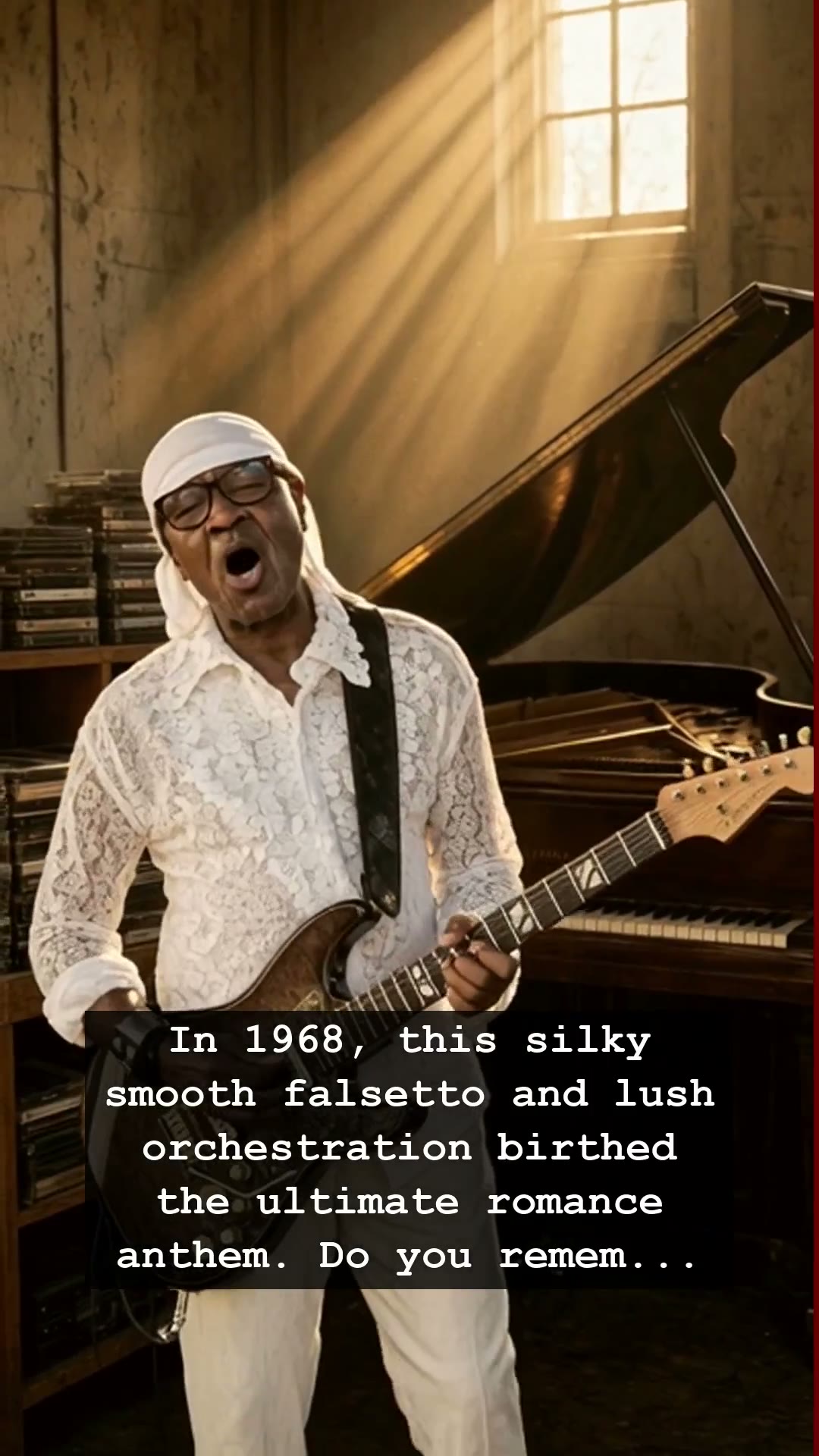
It started with a whisper of strings and a falsetto so fragile it felt like it might shatter if you held your breath too long. In 1968, as America stood on the precipice of cultural upheaval, a sound emerged from Philadelphia that did the unthinkable: it stopped time. If you were coming of age during those neon-soaked nights, you remember the moment the needle dropped on The Delfonics. Their music wasn’t just a collection of melodies; it was the soundtrack to the first slow dances in dimly lit gyms and the secret tears shed over lost loves near the glowing hum of a jukebox. While the world outside was burning with political tension, William Hart and his brothers were busy crafting a lush, orchestral sanctuary where romance reigned supreme.
At the heart of their success was the masterpiece La-La (Means I Love You). It was a song that defied the gritty reality of the late sixties, offering a velvet-smooth escape that climbed the charts and settled permanently into the collective consciousness of a generation. The Delfonics mastered a sophisticated brand of Philly Soul that utilized sweeping string arrangements and a delicate, ethereal vocal delivery that stood in stark contrast to the burgeoning psychedelic rock movement. They were the architects of a sound that felt timeless, bridging the gap between the doo-wop groups of the fifties and the polished R&B juggernauts that would define the seventies.
Yet, beneath the glossy sheen of those perfectly choreographed harmonies lay a story of intense creative pressure and the inevitable friction of the music industry. The Delfonics were not just performers; they were perfectionists trapped in a whirlwind of sudden fame. The collaboration with producer Thom Bell provided the group with their signature sonic identity, but it also demanded an uncompromising level of precision. Behind the scenes, the pressure to replicate their hit sound without losing their unique soul created a delicate balancing act that tested the bonds of the original lineup. Fame, as it often did during the era of the soul explosion, demanded a heavy toll on the men behind the microphones.
This music reminds us of a time when a song could carry the weight of an entire romantic existence. Listening to them today, we are transported back to the era of analog warmth, where the crackle of a vinyl record felt like a heartbeat. The Delfonics captured a specific kind of yearning that is rarely replicated in today’s digital landscape. Their legacy isn’t just in the gold records or the chart positions, but in the millions of memories cemented by their falsetto harmonies. They provided the backdrop for a generation’s most tender moments, turning fleeting infatuations into memories that have lasted over half a century.
As we look back at the landscape of 1968, it is clear that The Delfonics were the bridge between the innocence of earlier years and the complex, soulful evolution of American pop. They weren’t just singing about love; they were documenting the human experience of hope in a world that was rapidly changing. If you close your eyes and let those strings wash over you, you can still feel the magic of a dance that never really ends. Do you have a story of where you were when you first heard their melody?