
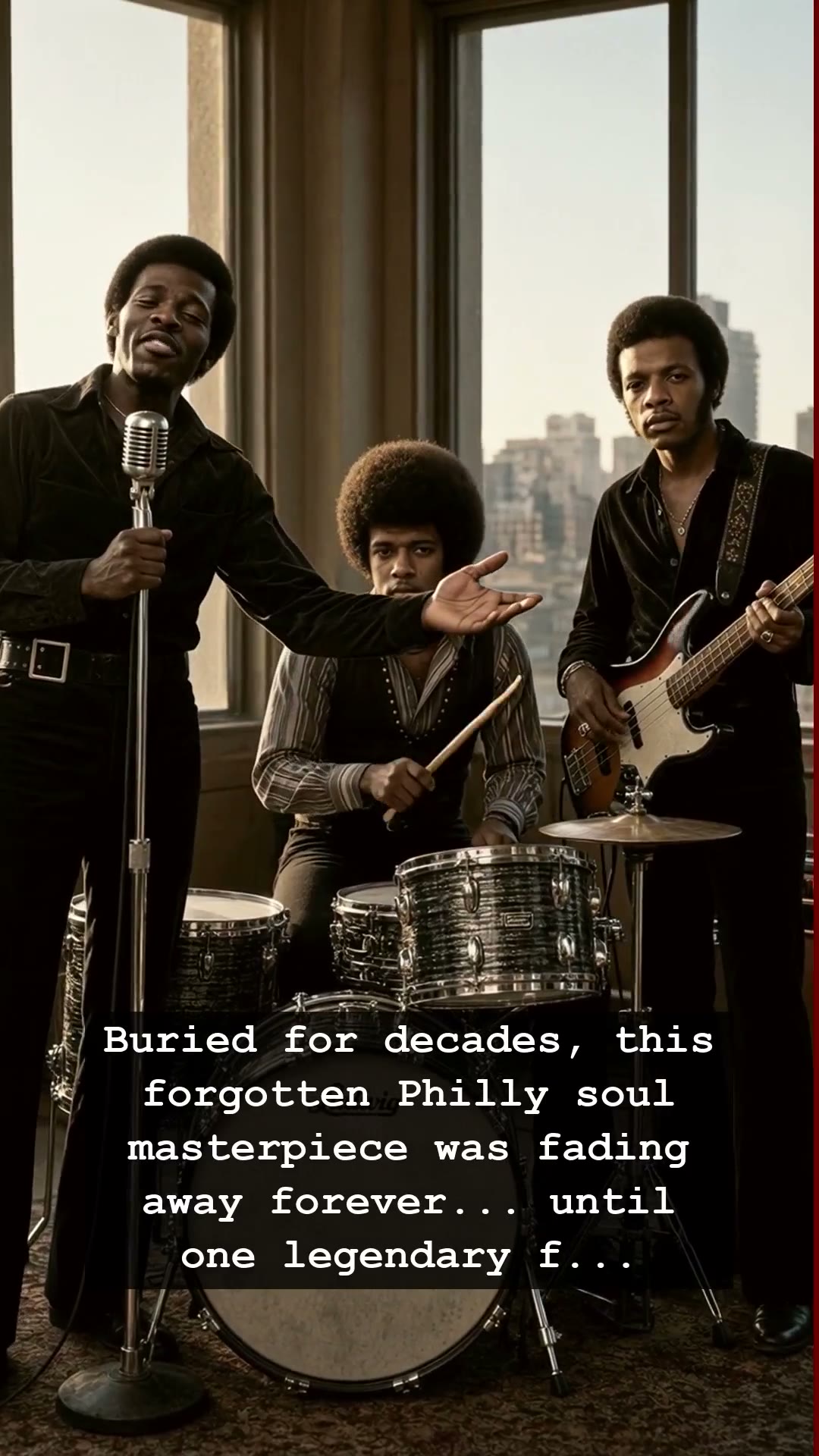
The needle drops, the strings swell, and suddenly, you are not in your living room anymore; you are suspended in a hazy, bittersweet memory of the late 1960s. For decades, the silky, falsetto-drenched harmonies of The Delfonics were drifting into the ether, relegated to dusty jukeboxes and bargain-bin vinyl stacks. They were the architects of the Philly Soul sound, yet as the disco era at Studio 54 took over and the synthesizers of the 80s drowned out the analog warmth of the past, their masterpiece, La-La (Means I Love You), seemed destined to be forgotten by everyone except the most devoted soul purists.
It is a common tragedy in the music industry: a band creates something transcendent, only to be swallowed by the relentless passage of time. The Delfonics, led by the incomparable William Hart, brought a level of romantic vulnerability to R&B that defined an entire generation. Their music was the soundtrack to slow dances in smoky lounges and solitary drives under neon lights. Yet, by the mid-90s, the group had become a footnote, a flickering candle in the gale of evolving pop trends. The raw, emotive power of their arrangements felt like a lost language that only a few elders still spoke.
Then came the unexpected miracle of 1997. Quentin Tarantino, a man known for his uncanny ability to exhume buried cultural artifacts, placed The Delfonics at the heart of his film Jackie Brown. When the opening notes of the song played, it did not just provide background noise; it transformed the scene into a cinematic relic. Suddenly, the song was everywhere again. A new generation, raised on the fast pace of MTV, found themselves enchanted by the slow, deliberate ache of Philly soul. The Delfonics had been resurrected from the ashes of obscurity, proving that true artistry never really dies—it just waits for the right moment to return.
Looking back at their legacy, it is easy to see why they hold such an enduring grip on our collective consciousness. The Delfonics were not just hitmakers; they were storytellers of the heart. During the turbulent late 60s, their music offered a sanctuary of harmony, a stark contrast to the gritty social upheavals of the time. While others chased the psychedelic experiments of the Woodstock era, The Delfonics remained anchored in the purity of melody and the raw honesty of heartbreak. It was that authenticity that allowed them to survive the transition from the golden age of soul into the modern era.
Today, listening to their records feels like opening a time capsule. There is an unmistakable vulnerability in their sound that feels rare in our over-produced, digital world. Whether you were there when the records were first pressed or you discovered them through the magic of film, the music of The Delfonics remains a timeless testament to the power of a perfect song. As we look back on the golden age of American music, let us keep these melodies spinning, ensuring that the legacy of Philly soul continues to resonate for years to come.