
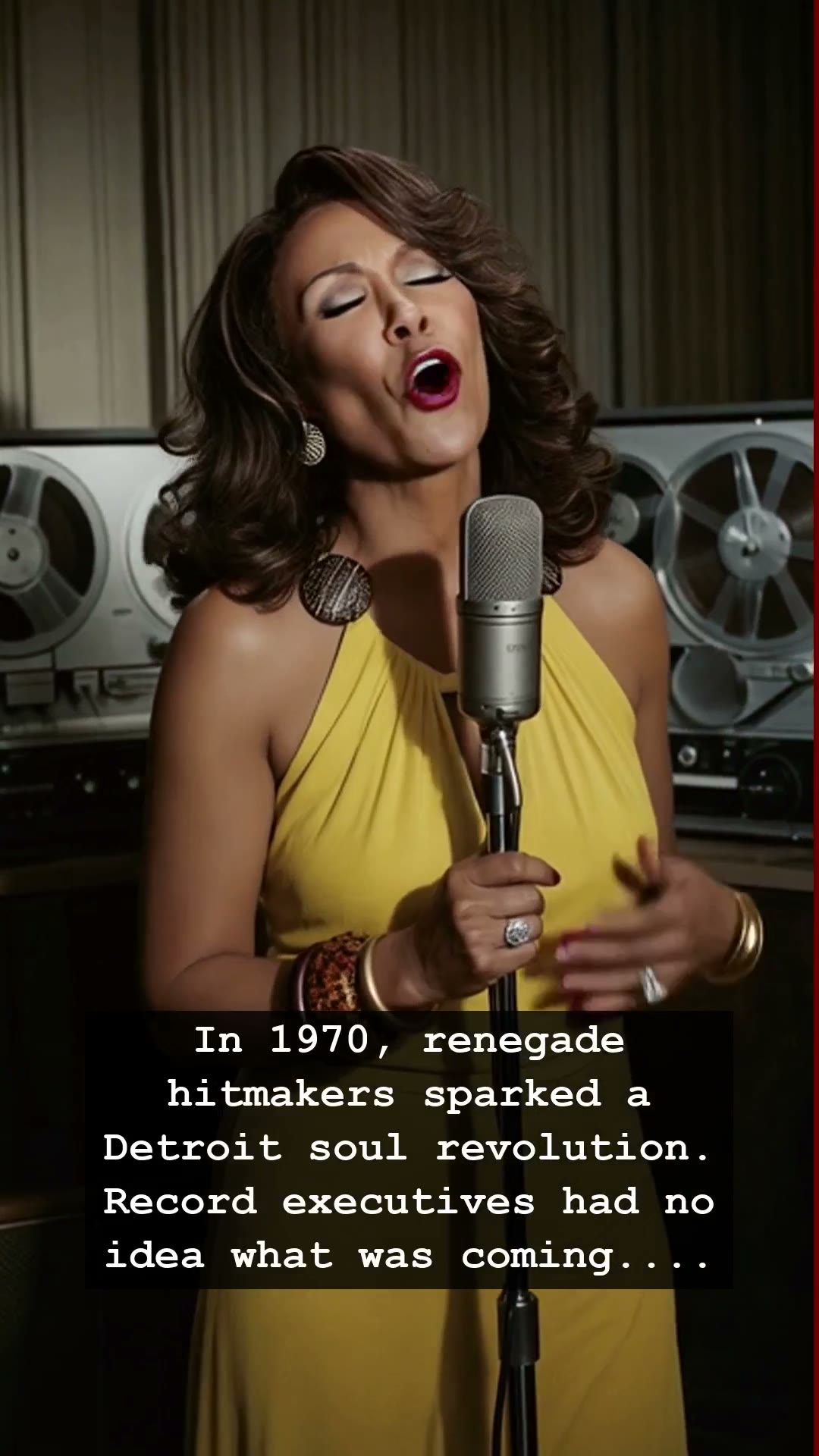
In 1970, the air in Detroit was thick with the scent of factory exhaust and the electric hum of a musical rebellion. While the world watched the polished, perfect machine of Motown, a group of renegade masterminds had quietly walked away to build something dangerous, something raw, and something unapologetically soulful. They formed Invictus Records, and with one track, they didn’t just climb the charts; they shattered the glass ceiling of the R&B establishment. Do you remember the moment the needle dropped on Freda Payne? For those of us who grew up in that golden era, it was the sound of a city finding a new, gritty voice.
The genius behind this shift was the legendary production trio Holland-Dozier-Holland. After walking away from their throne at Motown, they were hungry to break the rules. They found their lightning in a bottle in the form of Freda Payne, a jazz-trained powerhouse whose voice possessed both the elegance of a cabaret star and the fire of a street-smart activist. When they handed her the lyrics to Band of Gold, nobody—not the executives, not the radio DJs, and certainly not the competition—expected the cultural earthquake that would follow. It was a song of heartbreak, but it carried the weight of a revolution.
Working alongside the soul legends of Chairmen of the Board, Freda Payne became the face of a label that prioritized creative freedom over factory-line pop hits. The studio sessions were a pressure cooker of ambition and late-night creative tension. These artists weren’t just making records; they were carving out a legacy that felt deeper and more personal than anything playing on the radios of the time. While the rest of the world was catching the disco fever that would eventually dominate the decade, Detroit was busy perfecting the sound of raw, unadulterated soul.
Looking back, the success of Freda Payne and the roster at Invictus serves as a poignant reminder of the artistic courage that defined 1970s soul. It was a time when a singer could turn a tale of shattered romance into a universal anthem for the broken-hearted. The sound was distinct, shimmering with the tension of the era, and it resonated because it felt authentic. It was the antithesis of the corporate glitz that would soon take over the airwaves, a beautiful, fleeting moment where the artists truly owned their sound and their stories.
Even now, when that iconic opening riff plays, it transports us back to a time of jukeboxes and high-stakes drama. The legacy of Freda Payne and the Chairmen of the Board isn’t just in the gold records; it is in the memory of a city that refused to follow the script. The soul revolution they sparked in Detroit changed the landscape of American music forever, proving that sometimes, the best hits are the ones the executives never saw coming. It was a wild, glorious chapter in history—do you still feel the rhythm?