
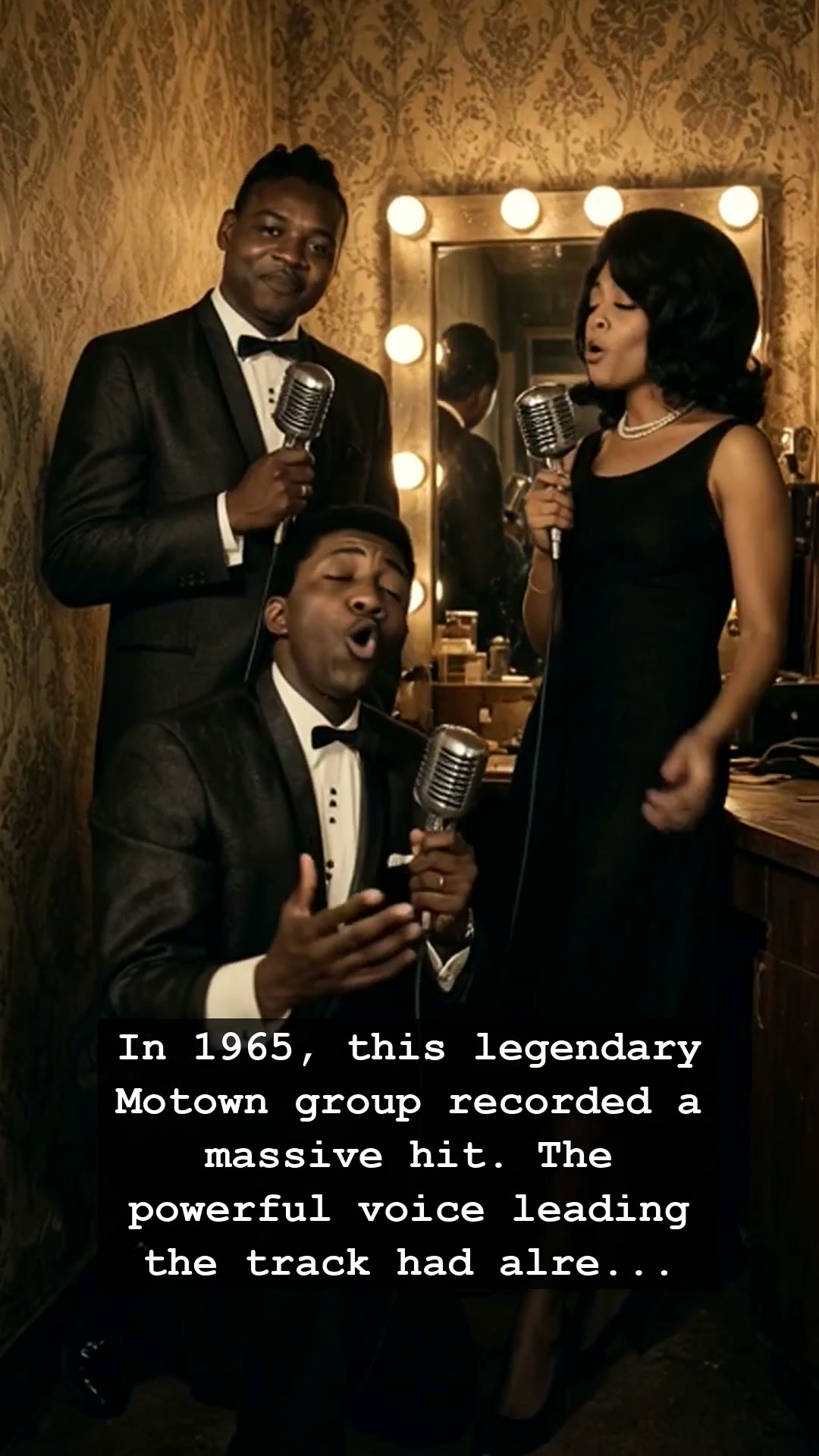
In the golden, glitter-dusted era of 1965, Motown Records was a hit-making machine that seemed capable of turning every melody into liquid gold. Jukeboxes across America pulsed with the rhythmic heartbeat of Detroit, and in the midst of this sonic revolution, The Elgins recorded a masterpiece that would haunt listeners for decades to come. Their soul-drenched anthem, Heaven Must Have Sent You, remains a quintessential piece of American music history. Yet, for those who truly followed the band, the recording session felt like a ghostly encounter. The powerhouse vocalist who drove the emotional weight of that song had already vanished from the touring stage, leaving behind a silence that echoed louder than the music itself.
To understand the enigma of The Elgins, one must transport themselves back to the competitive, high-pressure environment of the Motown studios. The group, originally known as The Sensations, consisted of seasoned vocalists like Johnny Dawson, Cleo “Bunky” Mullins, and Robert Fleming. They were the epitome of the Motown aesthetic—polished, impeccably dressed, and dripping with talent. However, the internal dynamics of the group were as complex as the orchestration on their records. By the time they stepped into the booth to lay down their signature tracks, the group was already navigating the turbulent waters of changing musical trends and the relentless demands of the label.
The mystery centers on the lead vocal performance that defined their legacy. While the group continued to release music, the individual who provided that raw, soul-stirring depth on their most successful recordings was often absent from the spotlight when the curtains rose. This was not merely a matter of professional disagreement; it was a reflection of the crushing reality of fame in the mid-sixties. The transition from the studio to the stage was often where the cracks appeared. As the music industry pivoted toward the electric energy of the late sixties, the pressure to maintain a perfect image while struggling with the reality of commercial instability led many artists to step into the shadows.
Why does this story still resonate in our modern era of digital transparency? Because we love the ghost in the machine. Even today, listening to The Elgins, one can sense the fragility beneath the bravado. It serves as a reminder of an era when artists were often treated as cogs in a larger machine, discarded when they no longer fit the specific mold of a chart-topping hit. The story of The Elgins is a poignant chapter in the Motown saga, one that reminds us that behind every smooth three-minute track lies a human story of longing, conflict, and the elusive nature of success.
As you listen to the soaring harmonies of Heaven Must Have Sent You, try to imagine the ghosts behind the microphone. These men were not just voices; they were survivors of a cutthroat industry that eventually moved on without them. Their legacy is etched into the vinyl grooves of history, a haunting, soulful reminder of what it meant to reach for the stars in the heart of Detroit. Have you ever wondered which voice was truly echoing in your heart all these years?