
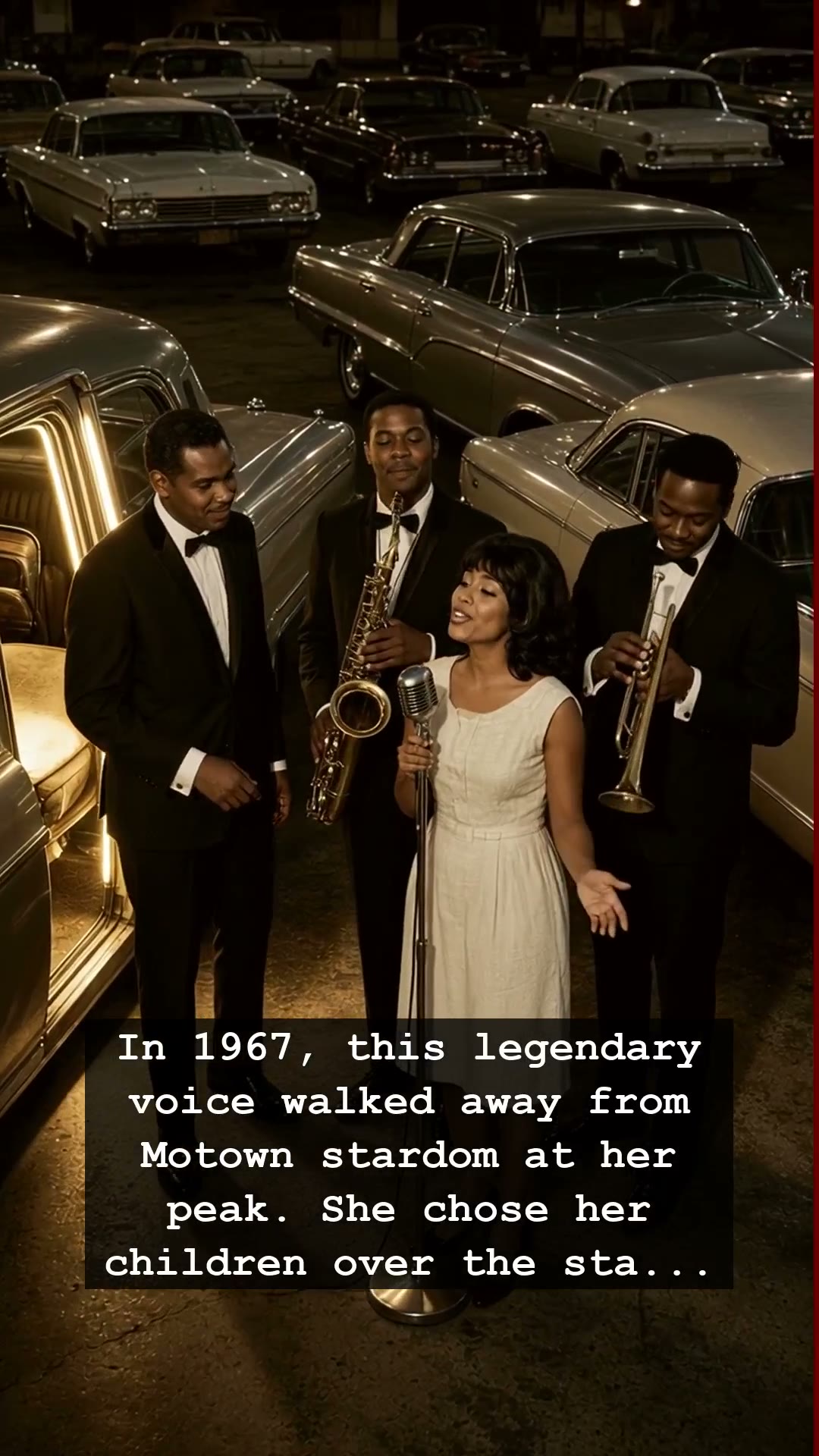
Imagine the atmosphere of a smoky 1967 studio: the rhythmic hum of the bass, the perfectly synchronized harmonies echoing off the walls of Hitsville U.S.A., and the undeniable, raw power of a voice that could make the entire world stop and listen. This was the golden age of Motown, an era defined by the polished perfection of The Supremes and the raw soul of The Temptations. Yet, hidden within this tapestry of legends, one group possessed a hidden gem: The Elgins. At the center of their sound stood a vocalist whose pipes carried the weight of a thousand untold stories. She was on the precipice of global stardom, with the industry machinery ready to propel her into the stratosphere of fame. Then, without warning, she simply vanished.
To understand the magnitude of this departure, one must remember the culture of the sixties. This was a time when the Jukebox was the heartbeat of every corner store, and a hit record could change your social standing overnight. The Elgins were making waves with tracks like Darling Baby, and the lead singer was being groomed for a solo spotlight that usually guaranteed a lifetime of glamour, travel, and public adoration. But for this woman, the shimmering lights of the stage were beginning to feel like cold, artificial reflections. While the rest of the world was dancing to the high-energy pulse of Motown, she was grappling with a quiet, domestic reality that the glossy magazine covers rarely acknowledged.
In a move that stunned her record executives and left fans bewildered, she walked away at the absolute height of her career. She didn’t leave because of a scandal or a contract dispute; she left because she made the ultimate, agonizing choice to prioritize her children over the relentless grind of the road. In an industry built on the ephemeral nature of pop stardom, choosing motherhood was considered a death sentence for a musical career. By stepping out of the spotlight, she effectively silenced one of the most evocative voices of the decade, trading a legacy of vinyl records for the intimate, unrecorded moments of raising her family.
Looking back from our modern perspective, this decision feels profoundly rebellious. In a time where female artists were often molded into products, her departure stands as a rare moment of personal agency and quiet strength. We often romanticize the rock and roll lifestyle—the touring buses, the screaming crowds, and the late nights at Studio 54—but we rarely speak of the ghosts left behind in the wings. The Elgins continued their legacy, but the absence of that singular, soulful force remained a haunting mystery for decades.
Her story reminds us that behind every classic hit, there was a human being balancing the crushing weight of ambition against the demands of the heart. The Elgins may be remembered by collectors and soul aficionados, but the woman who chose her children over the charts is a symbol of a different kind of legend. She didn’t just walk away from fame; she walked toward the things that actually lasted. When you listen to her records today, notice that extra layer of soul—the sound of someone who knew exactly what she was worth, and more importantly, who she was worth it for.