
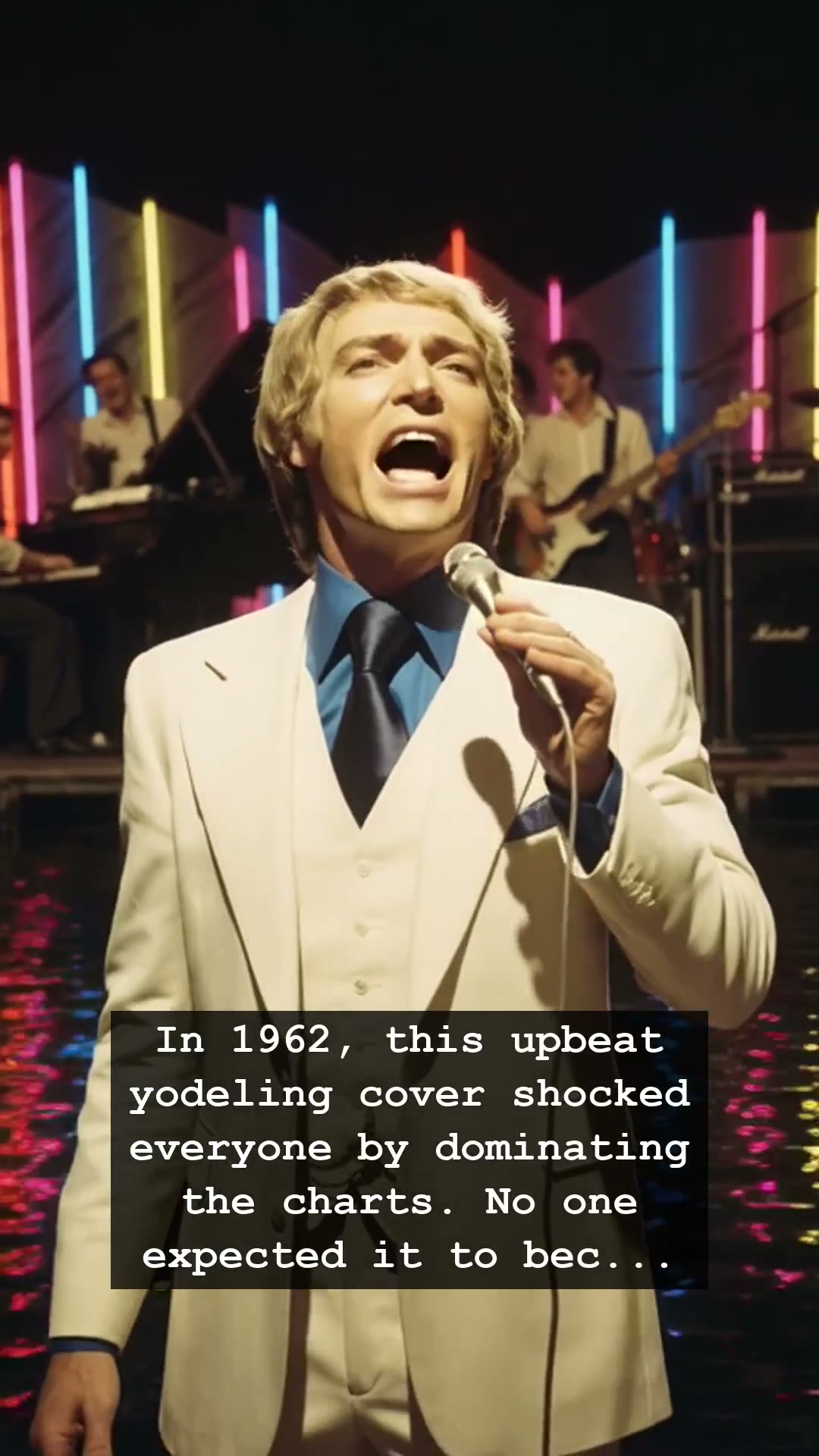
It was 1962, a year defined by the shifting tides of the Cold War and the burgeoning optimism of a new decade. In the corner of smoky diners and dimly lit pubs, the jukebox was the undisputed king of culture. People dropped their coins expecting the polished pop of the day, but then a bizarre, infectious, and undeniably catchy sound erupted from the speakers. It was Frank Ifield with his breakout hit, I Remember You. This wasn’t just another track; it was a rhythmic, yodeling anomaly that defied the era’s musical logic and held the top spot on the charts for a staggering seven weeks, leaving critics stunned and audiences utterly captivated.
Frank Ifield brought a unique Australian sensibility to the British and American music scenes, blending the traditional lilt of yodeling with a smooth, crooner aesthetic that felt both archaic and revolutionary. The story of Frank Ifield is one of an unlikely triumph. At a time when the world was beginning to look forward toward the British Invasion, Ifield looked back, polishing an old standard into a chart-dominating juggernaut. He proved that even in an age of emerging rock ‘n’ roll, the public still craved a bit of nostalgic charm wrapped in a daring, vocal-centric performance that stood out against the rising electric guitars.
The secret to the success of Frank Ifield during this period was his sheer refusal to play it safe. While his contemporaries were chasing the standard blues progressions, Ifield leaned into his signature yodeling style, a technique that felt almost out of place on the radio yet possessed an undeniable, magnetic energy. When that record spun on a local jukebox, it created an immediate atmosphere of joy and curiosity. It was the sound of a performer who understood that music at its heart is theater. His rise wasn’t calculated by massive studio marketing budgets but by the raw, visceral reaction of listeners who had never heard anything quite like it.
Beyond the charts, Frank Ifield became a symbol of the pre-Beatles transitional era. It was a time when radio waves were still being fought over by crooners and rockers alike. The success of his work highlights the diversity of the 1960s soundscape, a decade often flattened into a single narrative of rebellion. Behind the scenes, the pressure to maintain such a meteoric rise was immense, yet Ifield navigated the fame with a poise that kept him as a staple of the variety circuit for years. He managed to bridge the gap between country-inflected vocal music and the evolving tastes of a younger generation.
Even today, listening to the crackle of a vintage record brings back that specific feeling of 1962. It reminds us of a time when a single song could unify a public house or a family living room. Frank Ifield left an indelible mark on music history by simply being brave enough to yodel his way into the hearts of millions. While the world of music changed drastically in the years that followed, the memory of his triumphant seven-week reign remains a testament to the power of a unique voice. Does the sound of his yodeling still pull at your heartstrings?