
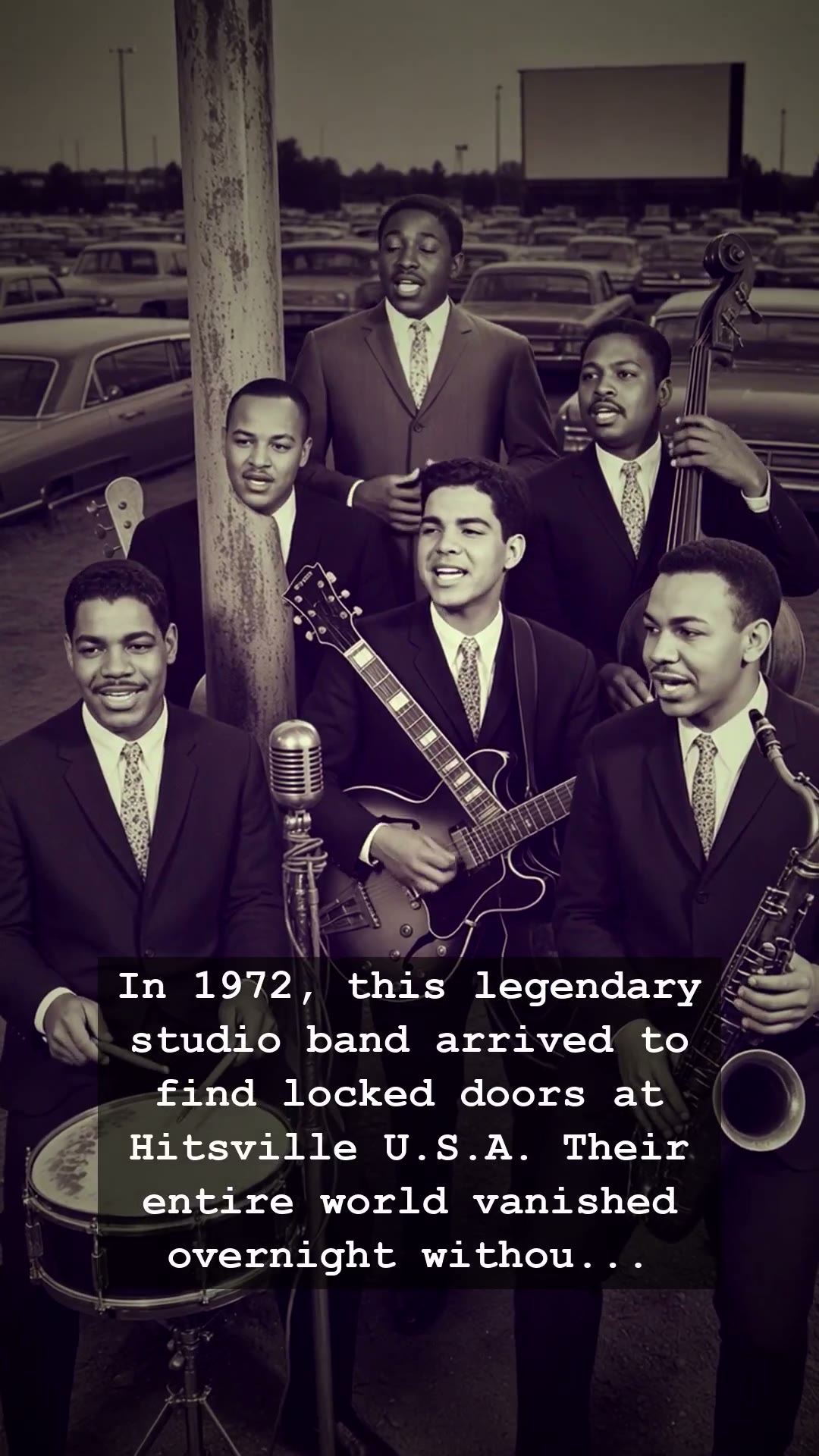
Imagine arriving at your workplace, the very heartbeat of your existence, only to find the padlocks changed and the lights dimmed forever. This was the haunting reality for the Funk Brothers in 1972. As the unsung engine room behind the Motown machine, these musicians had spent over a decade crafting the golden soundtrack of America. From the smooth grooves of Smokey Robinson to the blistering energy of The Supremes, the Funk Brothers provided the magic that defined the Hitsville U.S.A. sound. Yet, in one cold, calculated move, their world simply evaporated into the humid Detroit night.
For years, these men were the ghosts in the machine. They worked in the cramped, windowless space of Studio A, sweating over tracks until dawn, often uncredited on album sleeves. They were the heartbeat of the Motown era, creating hits that blasted from every jukebox and crackled through every transistor radio in the country. But the industry is a ruthless beast, and behind the glitz and glamour of the label’s meteoric rise lay a corporate coldness that the public rarely glimpsed. By 1972, the shift from Detroit to the glitzy hills of Los Angeles was already underway, a move that signaled the end of an era and a profound betrayal for those left behind.
The betrayal was swift and silent. Berry Gordy, the architect of the Motown empire, had made the executive decision to relocate the label’s operations to California. In a move that left music historians stunned, the Funk Brothers arrived at their Detroit home to find the doors locked and their instruments silenced. No farewell party, no golden handshake, and certainly no gratitude for the millions of records their steady hands had helped sell. They were simply discarded like yesterday’s news, left to wonder how a collective that had defined the American sound could be erased without a single word of warning.
This moment serves as a poignant reminder of the darker side of fame. While the world was busy dancing to the infectious beats of Motown in the seventies, the people who actually built that rhythm were being treated as expendable assets. The Funk Brothers deserved more than a locked door; they deserved the legacy that they had poured their souls into. Their story captures the transition of the music industry from a family-style creative collective into a cutthroat corporate monolith, a shift that eventually defined the sound and the greed of the decades that followed.
Today, we look back at the work of the Funk Brothers with a sense of profound reverence. Their tight, syncopated rhythms are the bedrock of soul and R&B, influencing generations of artists who would follow in their footsteps. Even without the fame they were denied, their legacy remains etched into the grooves of vinyl records worldwide. Whenever you spin a classic Motown track, listen closely for the bass lines and the driving percussion; that is the sound of the men who were abandoned, reminding us that true musical genius can never be locked away.