
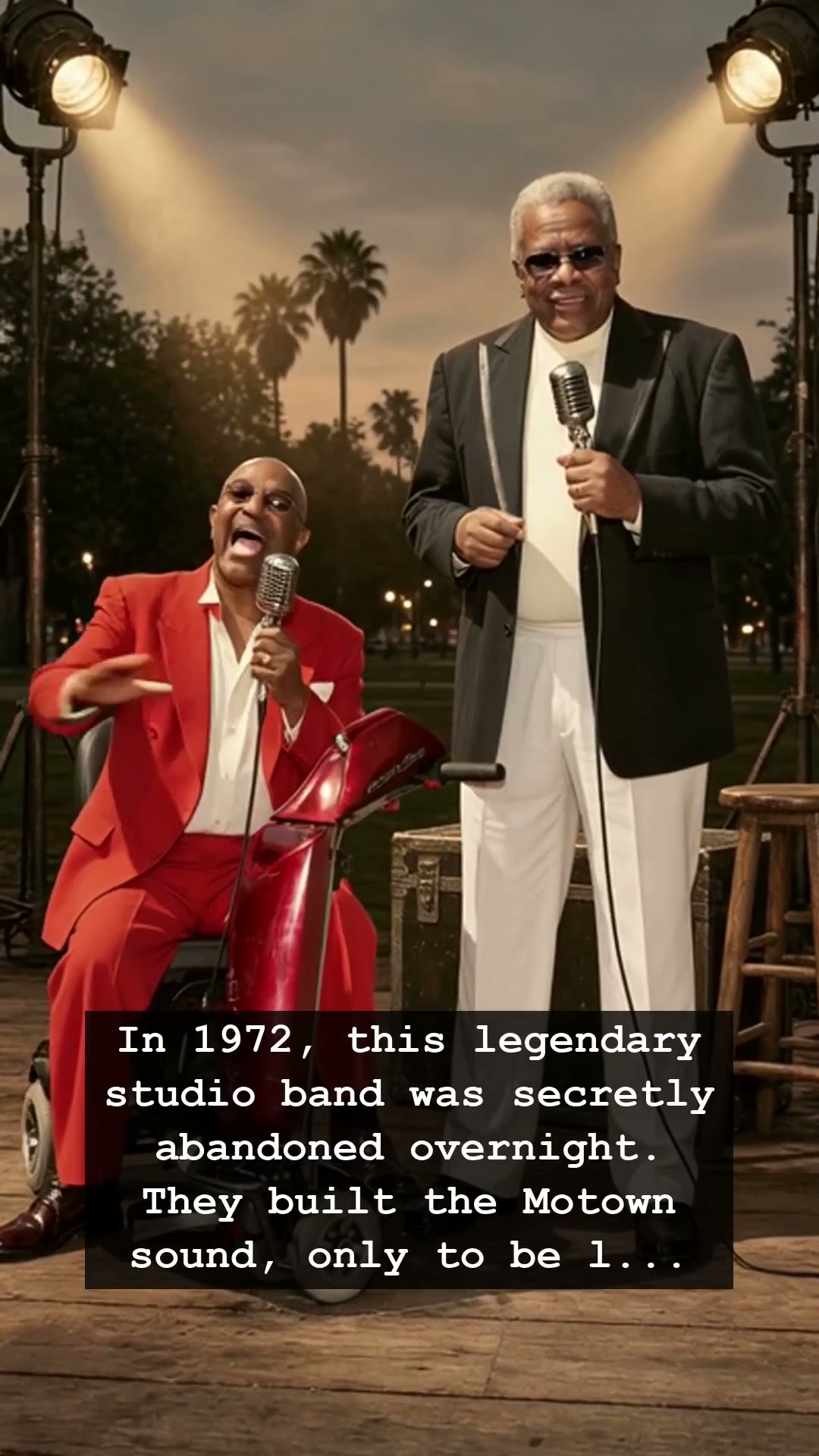
It was 1972, a year that smelled of gasoline, high-waist denim, and the fading perfume of a golden era. In the bustling heartbeat of Detroit, the air in the studio was usually thick with the magic of creation. Yet, one morning, the silence was deafening. The Funk Brothers, the unsung architects of the Motown sound, arrived for their session only to find the doors locked, the equipment vanished, and their livelihoods evaporated into the thin Michigan air. Berry Gordy, the architect of their dreams, had quietly packed up the entire Motown empire and moved it to Los Angeles, leaving behind the very men who had played on more number-one hits than the Beatles, Elvis Presley, and the Rolling Stones combined.
To understand the magnitude of this betrayal, one must look at the foundation of the Hitsville U.S.A. studio. The Funk Brothers were not just session musicians; they were the heartbeat of soul. With the warmth of James Jamerson’s bass lines and the precision of the rhythm section, they transformed raw talent into global anthems. They were the ghosts in the machine, the invisible hands behind the hits that defined the sixties. Whether it was the rhythmic jingle of a pocket transistor radio or the soul-stirring melodies drifting from a neighborhood jukebox, the Funk Brothers were always there, yet they remained tragically anonymous to the public eye.
While the world was distracted by the glitz of the burgeoning West Coast scene and the rapid rise of television, these master musicians were left to rot in the industrial decay of a changing Detroit. There were no press releases or celebratory farewells for the architects of the sound that defined a generation. It was a cold, calculated abandonment that left these legends without a pension, without recognition, and worst of all, without their purpose. The glamour of Motown was in California, while the soul was left behind in the dark.
The drama of the Funk Brothers’ story is a stark reminder of the dark side of fame. These were men who lived for the groove, spending countless hours in the legendary Studio A, fueled by nothing but creative fire and the brotherhood of music. When they were cast aside, the industry lost a piece of its humanity. For years, their contribution was buried under the weight of celebrity, hidden behind the faces of the stars they had propelled to stardom. The tragedy was not just in their dismissal, but in the erasure of their identity from the very music they birthed.
Today, we look back at the legacy of the Funk Brothers as a testament to the power of unsung brilliance. Their story resonates because it is a narrative of resilience, of men who stood in the shadows while the world danced to their rhythm. Even now, whenever a classic Motown track crackles to life on a dusty vinyl record, we are listening to the echoes of their broken hearts and their unmatched genius. They were the true architects of our memories, and it is time we never forget their names.