
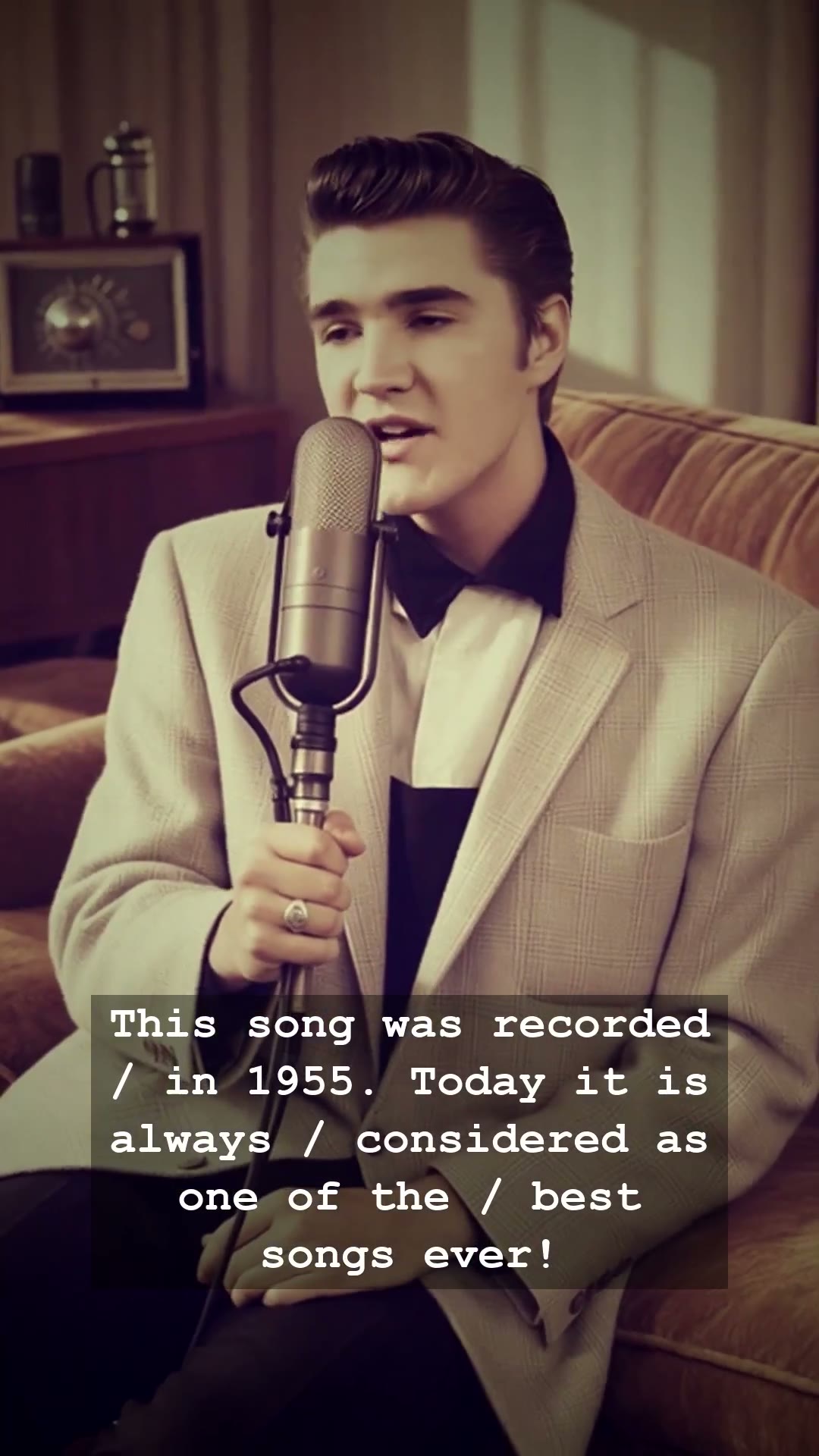
It is a haunting melody that has drifted through the halls of history for nearly seventy years, yet the story behind it is far more turbulent than its smooth, soulful notes suggest. While many believe the track originated in the mid-sixties, its roots trace back to 1955, an era defined by the crackle of jukeboxes and the dawn of a new cultural revolution. When The Righteous Brothers finally took hold of the song a decade later, they did not just cover it; they transformed it into an operatic masterpiece of heartache and longing. But before the world fell in love with their version, the song existed as a shadow, waiting for the right voices to elevate it into the realm of the immortal.
To understand the magnitude of this achievement, one must step back into the smoky, dimly lit recording studios of the mid-1960s. The Righteous Brothers, consisting of the contrasting vocal titans Bill Medley and Bobby Hatfield, were caught in a whirlwind of professional pressure and perfectionism. Their producer, the legendary and notoriously difficult Phil Spector, was obsessed with creating a wall of sound that would swallow the listener whole. The sessions were grueling, fraught with tension as Spector demanded take after take, pushing the duo to their absolute breaking point. It was during these intense, sweat-soaked nights that the track transcended from a simple melody into a visceral emotional experience that captured the restlessness of a generation.
The irony of The Righteous Brothers legacy is that despite their name, they were never actual siblings, and their relationship was often as volatile as the lyrics they sang. Behind the scenes, the duo navigated ego clashes and the crushing weight of sudden fame, all while appearing perfectly synced under the glow of television studio lights. Their vocal chemistry was a lightning strike—Medley’s deep, booming baritone grounding the track, while Hatfield’s soaring, fragile tenor provided the ethereal reach that gave the song its wings. It is this friction, this balance of darkness and light, that makes their interpretation remain the definitive version even today.
As the golden age of radio gave way to the vibrant visual era of MTV, the song refused to fade into the background. It lived on in cinema, immortalized by iconic film moments that introduced the power of The Righteous Brothers to a new generation of listeners who had never touched a vinyl record. Whether heard on a crackling transistor radio in a teenager’s bedroom or through a high-fidelity system, the song carries a weight that feels both intimate and grand. It remains a testament to a time when music was recorded with real sweat, real orchestras, and real heartbreak.
Today, we look back at this song not just as a piece of nostalgia, but as a bridge between the mid-century past and our modern lives. The Righteous Brothers managed to capture the universal ache of love and loss in a way that feels just as urgent now as it did in 1965. It serves as a reminder that some melodies are simply woven into the fabric of time. As you listen to the track again today, try to hear the echoes of those late-night studio battles and the raw, human soul poured into every chord.