
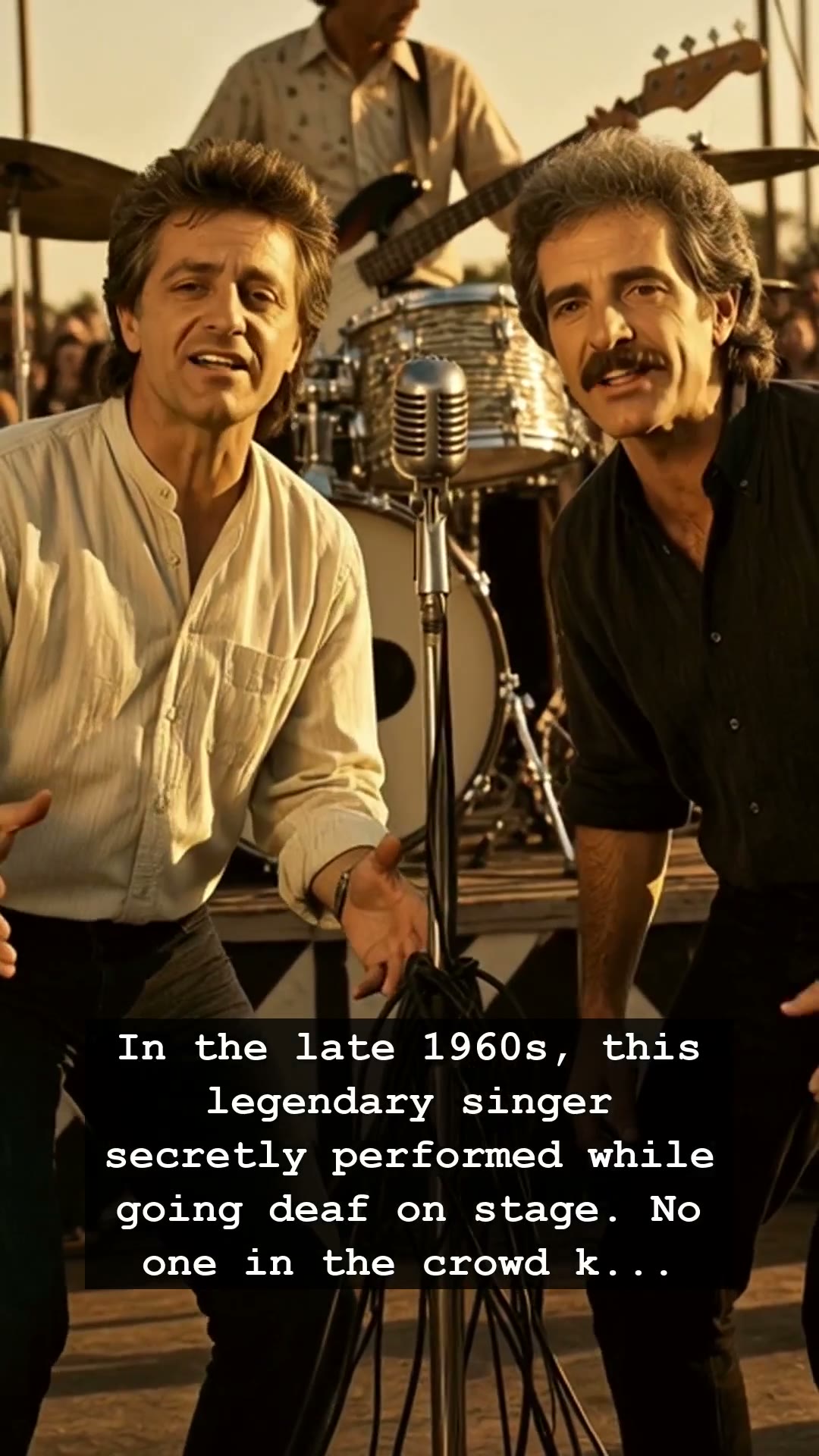
Imagine standing under the blinding glare of stage lights in the late 1960s, the roar of the crowd echoing through the arena, and the rhythm of your own hit songs pulsing through the floorboards. For most, this was the pinnacle of the American dream. For Frankie Valli, the legendary frontman of The Four Seasons, it was a terrifying test of survival. While the world danced to the infectious melodies of Sherry and Walk Like a Man, Frankie Valli was fighting a silent, desperate battle that threatened to end his career before it reached its zenith. He was slowly losing his hearing, a secret that would have shattered his public image as the golden boy of pop.
During those electric years, while the counterculture was shifting and the psychedelic rock movement was beginning to define the era, Frankie Valli was navigating a world of silence. By the late sixties, the otosclerosis that plagued his inner ear had left him nearly deaf. Yet, every night, the man with the soaring falsetto walked onto the stage with impeccable poise. He could not hear the instruments or the backing vocals of his bandmates. Instead, he relied on an uncanny, almost supernatural connection to the stage vibrations and decades of ingrained muscle memory. He felt the thump of the bass drum and the resonance of the floorboards, guiding his voice through notes that seemed to defy human limits.
This was not just a technical struggle; it was an emotional one. To perform at that level of perfection while terrified of missing a beat required a level of focus that few performers could ever grasp. The pressure of the studio, the grueling tour schedule, and the constant fear of being exposed created a high-stakes drama that remained hidden from the millions of fans listening on their jukeboxes or local radio stations. Frankie Valli lived in a duality: a public icon of effortless joy and a private man struggling with the isolation of his own senses. It is a haunting testament to his commitment that the public never sensed the internal collapse.
Looking back at that golden era of American music, Frankie Valli stands as a titan of perseverance. He bridged the gap from the doo-wop sounds of the fifties to the more polished production of the seventies. His ability to mask such a profound physical limitation reveals the grit behind the glamour. Even today, when a classic track plays, we hear more than just a melody; we hear the defiance of a man who refused to let his limitations dictate his legacy. It reminds us that our favorite legends were often burdened by heavy secrets.
Perhaps that is why his voice still resonates so deeply with generations today. We feel the raw vulnerability underneath the polished falsetto. Frankie Valli did not just sing songs; he survived them. The next time you hear his unmistakable tone drift through the air, remember the man who stood in the quiet darkness of a deafening arena and chose to sing anyway. His story is a poignant reminder that true greatness is often forged in the shadows of one’s most difficult personal trials.