
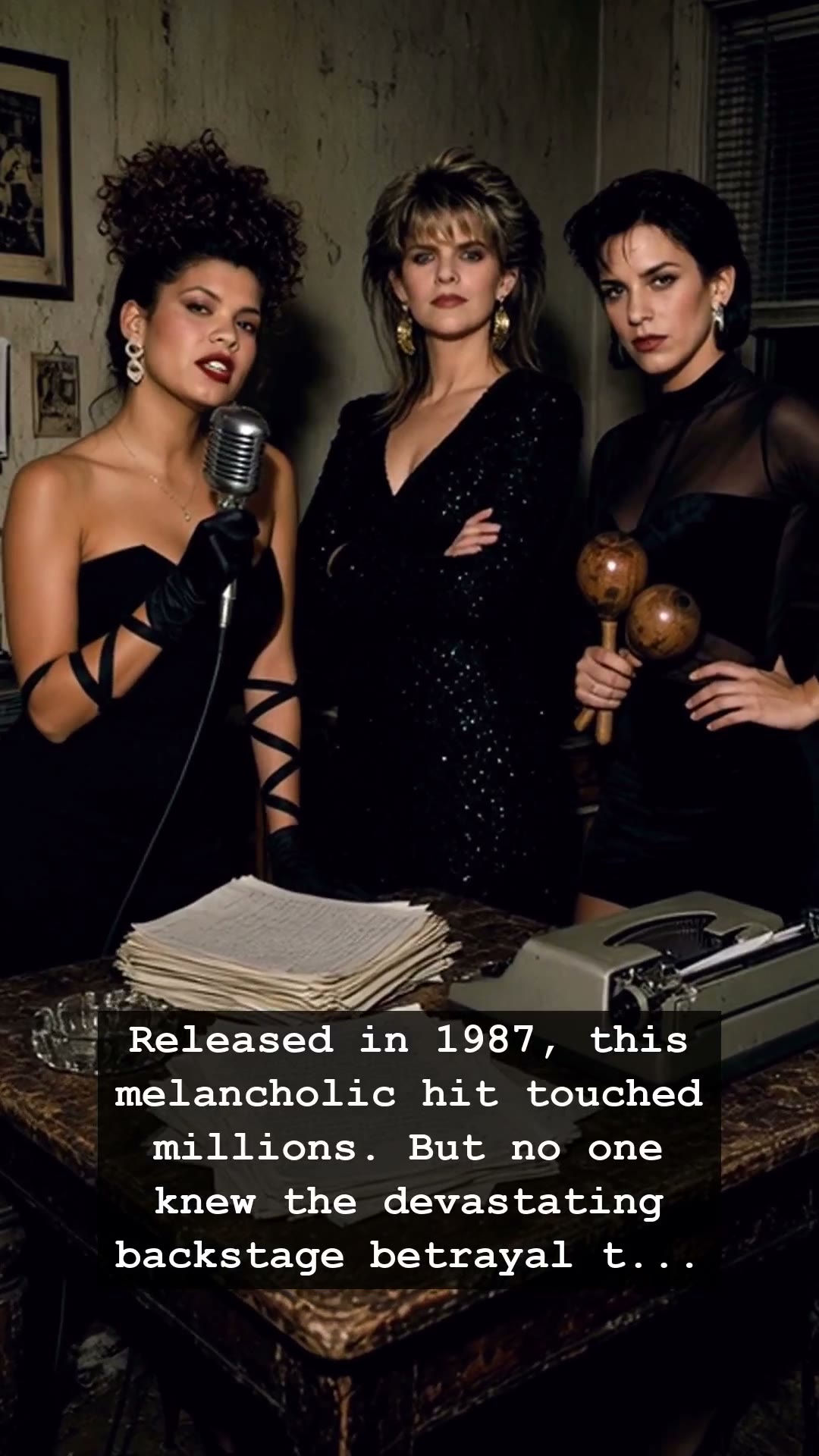
In the golden era of the late 1980s, when MTV ruled the airwaves and the neon glow of the disco decade was fading into a synthetic, high-production aesthetic, one group took the world by storm. Milli Vanilli, with their charismatic presence and flowing dreadlocks, seemed like the ultimate pop miracle. Their 1987 debut was a masterclass in infectious hooks and soulful, polished production. For millions of fans, the hit Girl You Know It’s True wasn’t just a catchy melody; it was the soundtrack to late nights, Walkman cassettes, and the blissful ignorance of youthful pop fandom. Yet, beneath the perfectly choreographed dance moves and the glossy magazine covers, a cold, calculated deception was brewing that would eventually shatter the foundations of the music industry.
While audiences were mesmerized by the faces of Rob Pilatus and Fab Morvan, a devastating backstage betrayal was unfolding. The reality was that these two young men were mere puppets in a elaborate scheme orchestrated by producer Frank Farian. The voices that propelled the tracks to the top of the charts were not those of the men on stage. Instead, a group of session singers had poured their sweat and soul into the studio recordings, only to be ruthlessly locked out of the limelight. It was a secret kept with terrifying efficiency, a classic case of profit prioritized over artistic integrity, leaving the actual vocalists in the shadows while the world cheered for a beautiful, hollow facade.
As the tracks climbed the Billboard charts, the pressure on Milli Vanilli grew insurmountable. The music industry, always hungry for the next big star, pushed the duo into a cycle of global fame that was built on a foundation of sand. The irony of their success is almost tragic; the music itself, regardless of who stood at the microphone, genuinely resonated with the public. It captured a specific, yearning sentiment of friendship and longing that felt authentic, even if the vessel for those emotions was fundamentally dishonest. For many listeners, the song remains a bittersweet reminder of a time when the spectacle often overshadowed the substance.
The house of cards finally collapsed in 1990, marking one of the most shocking moments in music history. When the truth emerged, the fallout was instantaneous and brutal. They were stripped of their Grammy Award, and the cultural backlash was unforgiving. It was a dark, cautionary tale about the cost of fame and the ruthless machinery behind the studio curtains. What remains today is a fascinating study of human vulnerability and the thin line between performance art and outright fraud.
Looking back, we are reminded that the legacy of Milli Vanilli isn’t just about the scandal, but about how music can touch our hearts even when we have been misled. We continue to revisit these tracks not for the deception, but for the melodies that defined a generation. It is a haunting lesson in how reality often hides behind the brightest stage lights, leaving us to wonder just how much of our favorite history is built on a beautiful lie.