
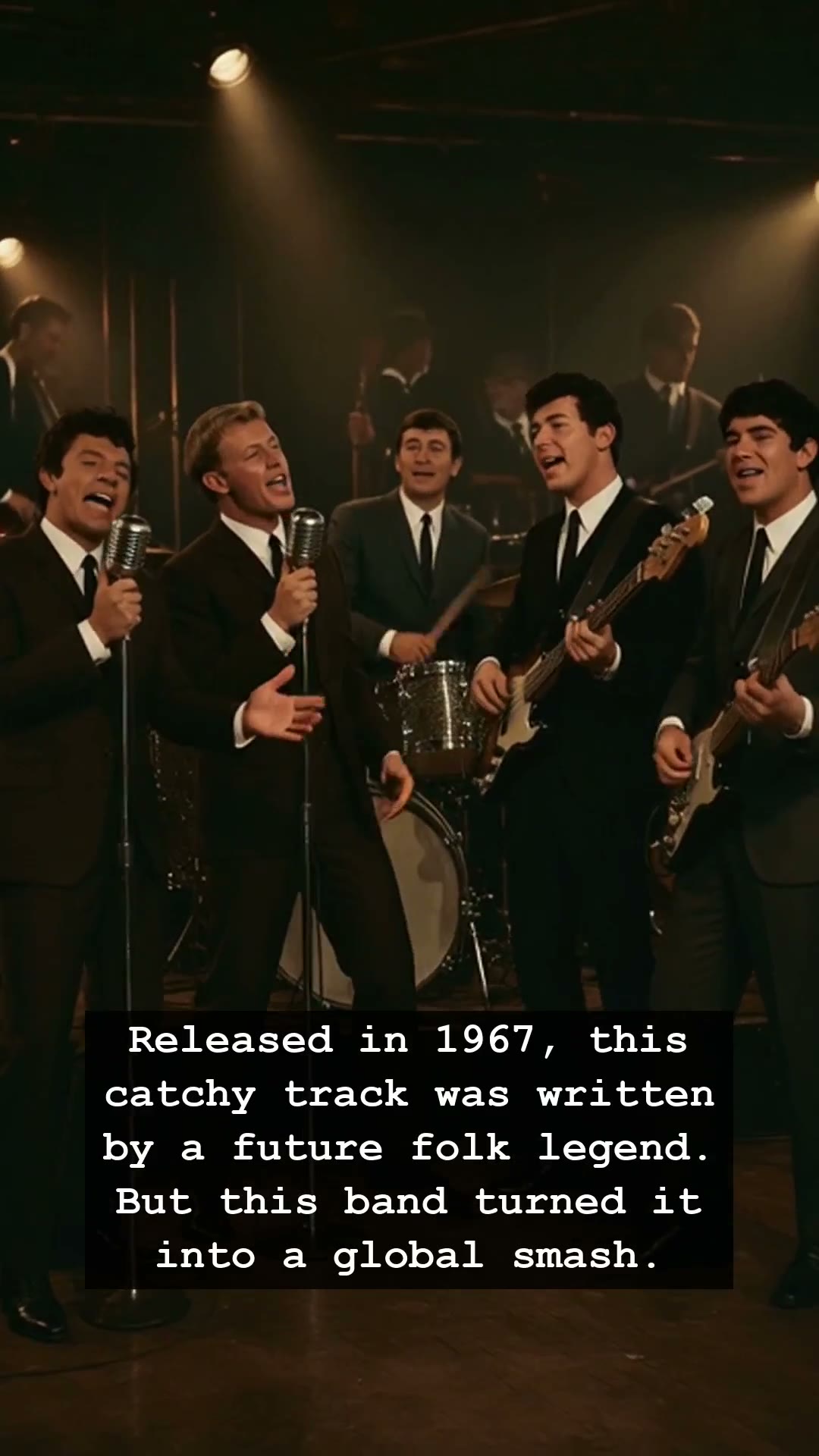
The year was 1967. The world was vibrating with the seismic shifts of the Summer of Love, and from the crackle of transistor radios emerged a melody so infectious, so impossibly sunny, that it felt like the sonic equivalent of a golden California sunset. That track was Here Comes My Baby. For many, it was the definitive anthem of a simpler time, a song that defined the upbeat, harmony-drenched sound of the British Invasion’s mid-sixties transition. Yet, behind the bright, jangly guitars and those perfectly polished harmonies lies a fascinating tale of creative collision, hidden identities, and the transformation of a melancholic folk vision into a global chart-topping phenomenon.
Most listeners of that era assumed the song was a product of the band performing it, The Tremeloes. But the true soul of the track belonged to a young, enigmatic folk singer-songwriter named Cat Stevens. Before he was the introspective spiritualist known for Tea for the Tillerman, Stevens was a prolific pen for hire, writing songs that possessed a raw, almost haunting quality. When he penned the original version of Here Comes My Baby, it was steeped in the earnest, acoustic sensibilities of a folk troubadour. It was a song of longing and quiet desperation, a far cry from the brassy, high-energy pop masterpiece that would eventually dominate the airwaves.
When The Tremeloes got their hands on the composition, they saw something different. They took the skeleton of the song and injected it with the vibrant, manic energy of the swinging sixties. By the time it hit the studio, the song had been scrubbed of its folk-intimacy and draped in the colorful, polished aesthetic of the era. The Tremeloes, veterans of the London club scene, knew exactly how to make a track danceable. Their decision to speed up the tempo and lean heavily into the vocal harmonies was a stroke of genius that turned an introspective Cat Stevens ballad into a radio juggernaut.
It is a classic example of the push and pull between authorship and performance that defined the music industry during the mid-sixties. While Cat Stevens provided the architectural brilliance of the melody and lyrics, it was the specific, gritty production choices of The Tremeloes that allowed the song to cut through the noise of the crowded pop landscape. For those who spent their teenage years spinning vinyl on heavy turntables or catching the latest hits on early color television broadcasts, this track represents a specific, ephemeral moment when folk songwriting met the pop-production polish of the British Invasion.
Today, the legacy of that collaboration remains a testament to the power of transformation. Cat Stevens would eventually move toward a sound that leaned heavily into his folk roots, but for one brief, sparkling moment in 1967, his work served as the engine for one of the most recognizable hits of the decade. Whenever you hear those opening chords today, you are hearing two worlds collide: the quiet, thoughtful genius of an emerging icon and the relentless, upbeat energy of a band determined to own the charts. It is a piece of history that continues to resonate, reminding us that even the simplest tunes have deep, hidden stories buried within their grooves.