
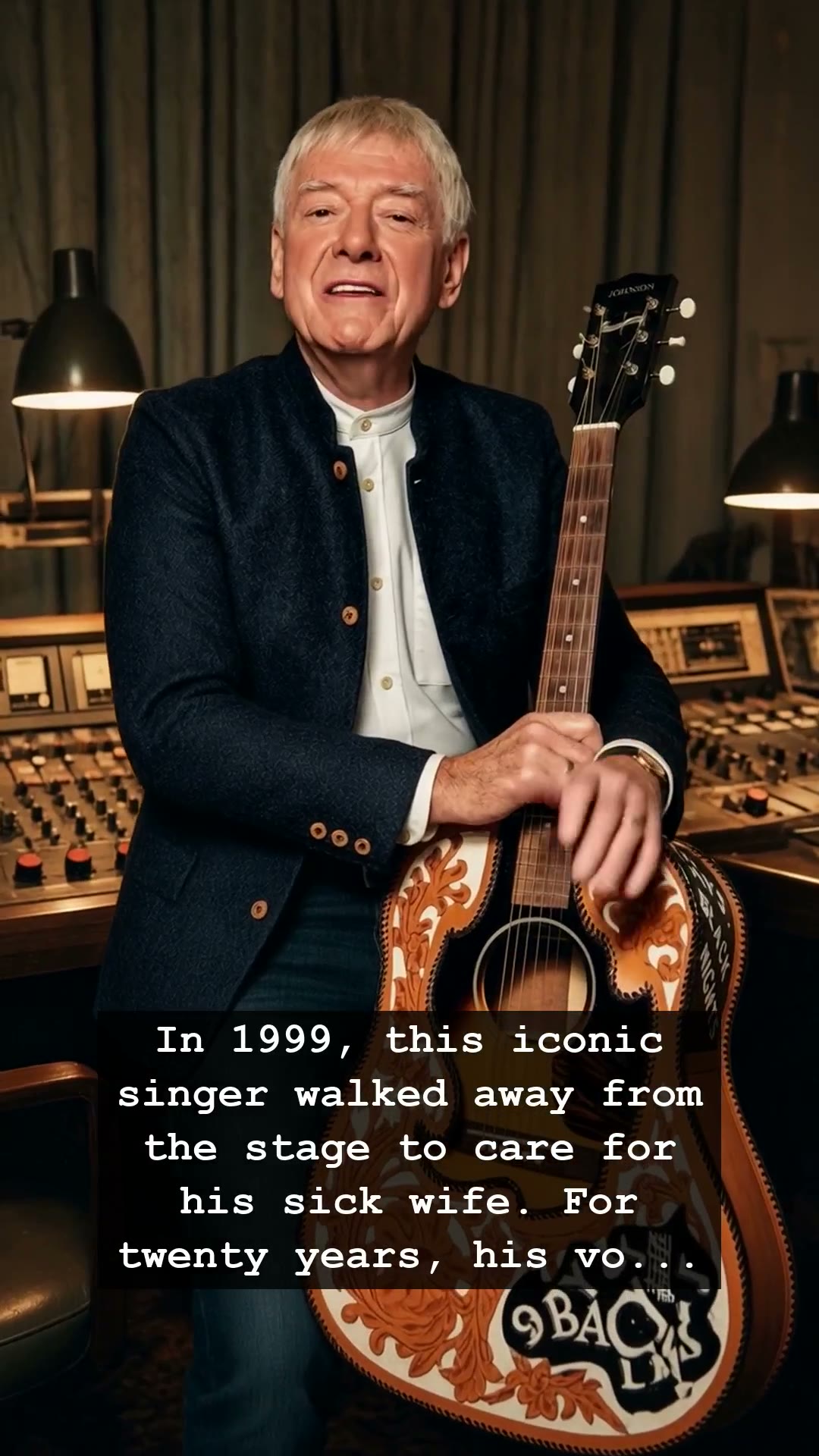
In 1999, the music world stood still as one of the most recognizable voices of the British Invasion simply faded into the shadows. For decades, Allan Clarke had been the soaring, unmistakable frontman of The Hollies, a band that soundtracked the golden era of the sixties and seventies. But as the millennium approached, the man who brought us classics like He Ain’t Heavy, He’s My Brother made a choice that stunned the industry. At the height of his legacy, Allan Clarke walked away from the stage, his microphone silenced, to become a full-time caregiver for his beloved wife as she battled a devastating illness. It was a departure so quiet that it felt like an ending, leaving fans to wonder if the voice that once filled concert halls from London to Los Angeles had been lost to time forever.
For twenty years, the silence was absolute. While the music industry moved on to the digital age, trading vinyl and cassette tapes for the cold convenience of the internet, Allan Clarke remained a ghost of the classic rock era. He retreated from the blinding lights and the pressures of fame, trading the roar of the crowd for the quiet sanctity of a private life. To his fans, it was a mystery—a sudden vacancy in the pantheon of sixties legends. Yet, in the halls of music history, this act of devotion spoke louder than any hit single ever could. It was a profound reminder that behind the velvet curtains and the glitter of show business, these icons were human, bound by the same loyalties and heartaches as anyone else.
Then came the unexpected, a miracle that would ripple through the nostalgia-hungry community of music lovers. Decades after his departure, Allan Clarke began to find his way back to his craft, not for the fame, but for the sheer, irrepressible need to create. His return was not a calculated PR move or a desperate grab for relevance, but a secret, soul-searching comeback that caught even his most ardent supporters off guard. When he finally stepped back into the light, that signature voice—the one that had weathered the decades—remained as poignant and powerful as it was during the peak of the sixties British Invasion.
What makes the story of Allan Clarke so enduring is not just his chart-topping success, but his unwavering commitment to the people who mattered most. In an era where musicians often chase the limelight until their dying breath, his choice remains a beacon of integrity. Whether you discovered him through the warm crackle of a vintage Jukebox or the high-fidelity sound of a remastered collection, his voice remains a bridge to a simpler, more melodic time. He taught us that true legends are defined not just by the songs they leave behind, but by the strength of their character when the house lights go down.
Today, we look back at his journey with a renewed sense of admiration. The music of Allan Clarke is more than just a collection of notes; it is a tapestry of human emotion, woven with the threads of love, loss, and the quiet dignity of a life well-lived. As we spin his records and listen to that familiar, soaring melody, we aren’t just remembering a singer; we are celebrating a man who proved that sometimes, the greatest comeback isn’t about being on top—it’s about being true to yourself. Have you taken the time to listen to the magic of The Hollies again lately?