
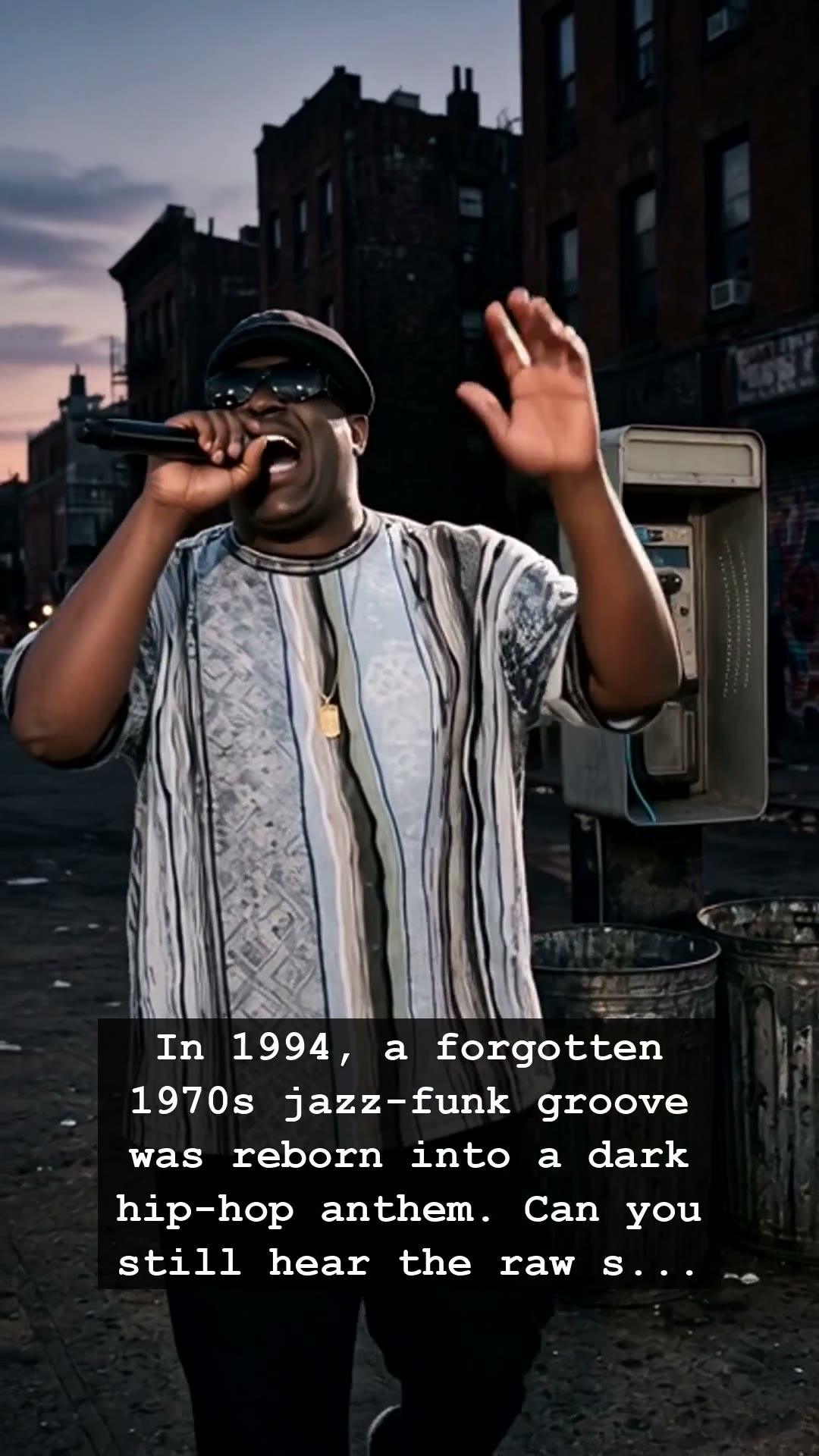
In the concrete labyrinth of 1990s Brooklyn, death was often a constant shadow, but life pulsed through the speakers of every passing sedan. When The Notorious B.I.G. stepped into the recording booth to craft his seminal debut, he wasn’t just rhyming; he was channeling a ghost from a different era. The heavy, rhythmic backbone of his gritty storytelling often relied on the buried treasures of the 1970s jazz-funk scene. It was a collision of worlds where the raw, street-level poetry of Biggie Smalls met the sophisticated, sun-drenched grooves of a fading decade, creating a sonic tapestry that felt both revolutionary and hauntingly familiar.
To understand the genius of The Notorious B.I.G., one must look back at the crates of vinyl tucked away in forgotten basements. Producers were the archeologists of that time, digging through dusty 70s records to find the perfect four-bar loop. When they sampled those forgotten jazz-funk breakdowns, they weren’t just stealing a sound; they were breathing new life into forgotten melodies. The Notorious B.I.G. possessed a rare, uncanny ability to sit inside these pockets of rhythm, his voice flowing like velvet over the jagged edges of a sampled horn section or a plucked bassline that had once echoed through a crowded lounge in a bygone age.
This wasn’t just about music; it was about a cultural transfer of energy. While the youth of the 90s were busy watching the rise of MTV and clutching their Walkmans, they were inadvertently consuming the legacy of their parents’ generation. The dark, brooding atmosphere of tracks like Juicy or Big Poppa carried the DNA of 70s soul—a genre born from struggle and celebration. The Notorious B.I.G. took these elements and refashioned them into an anthem for the hustler, transforming the melancholy of a vintage record into the triumphant sound of a new American icon reaching for the stars.
The genius of The Notorious B.I.G. lay in his duality. He could spit rhymes that detailed the cold reality of life on the block while simultaneously riding a groove so smooth it felt like it belonged in a high-end jazz club. This tension between his lyrics and the sampled soul beneath them created a sense of drama that captivated a generation. It was the sound of the past informing the future, a bridge built on vinyl that allowed listeners to feel the weight of history in every thumping beat. It was raw, it was authentic, and it was deeply human.
Today, as we look back at the golden era of hip-hop, the legacy of The Notorious B.I.G. remains untouchable. His music serves as a reminder that nothing in art is ever truly lost; it is simply waiting to be rediscovered and repurposed. Even decades later, when you hear those unmistakable jazz-funk samples layered beneath his effortless flow, you can still catch the echo of the 70s. The Notorious B.I.G. didn’t just make hits; he crafted a timeless archive of sound that continues to resonate with anyone who knows how to listen for the soul beneath the beat.