
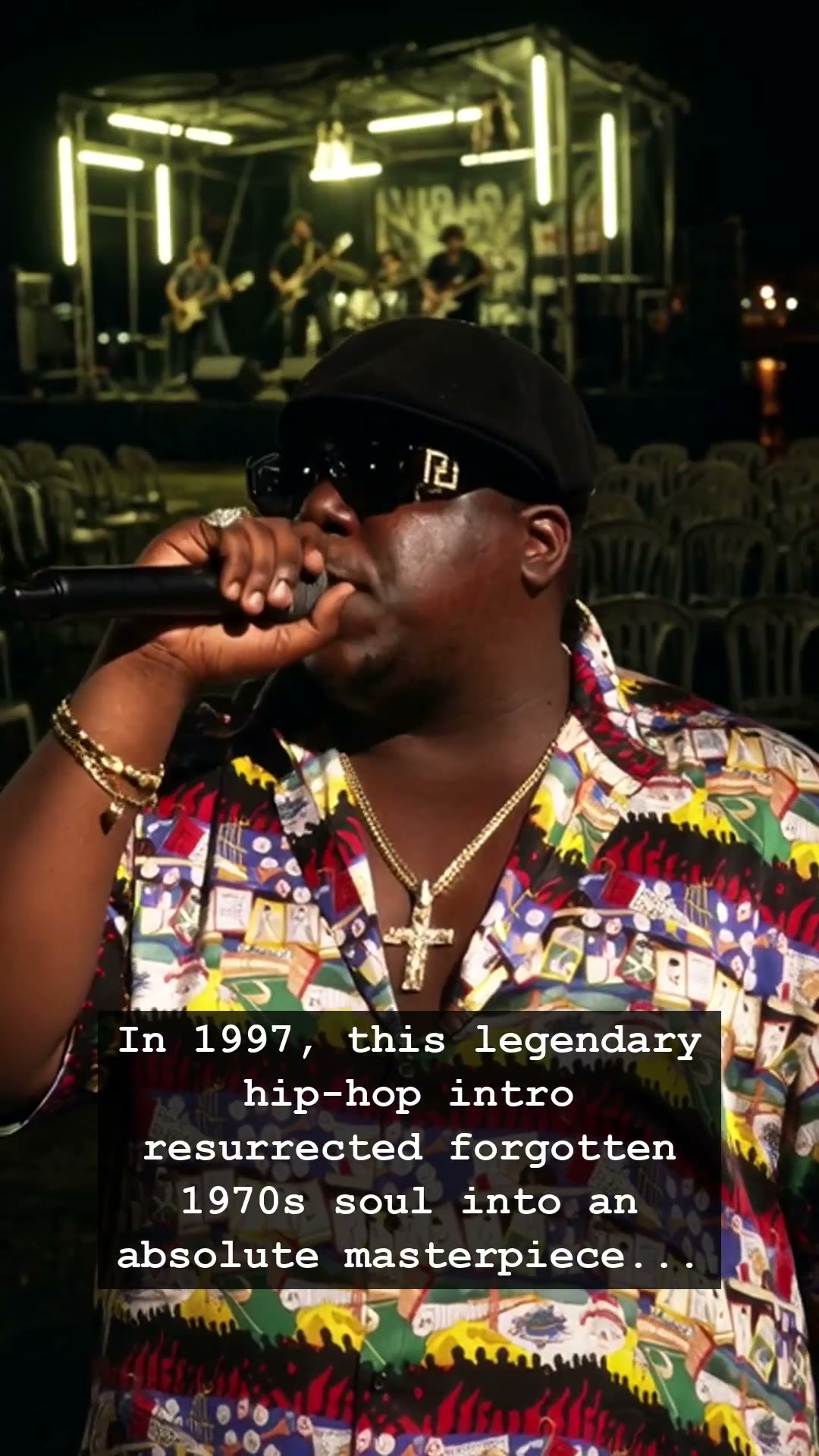
The year was 1997, and the air in the music industry was thick with a tension that felt more like a ticking time bomb than the rhythmic beat of a record. It was a time when the rivalry between the East and West Coast scenes had reached a fever pitch, consuming headlines and tearing at the fabric of hip-hop culture. Yet, in the middle of this chaos, The Notorious B.I.G. stepped into the studio to craft a sound that would transcend the violence of his era. He did not look toward the aggressive streets for inspiration; instead, he reached back into the warm, crackling grooves of 1970s soul, resurrecting the ghosts of a forgotten musical landscape to define the future of rap.
The Notorious B.I.G. possessed an uncanny ability to bridge the gap between generations. While his peers were fixated on the raw, unpolished energy of the emerging 90s sound, Biggie Smalls understood the power of texture. By sampling the smooth, honeyed vocals of Al Green and the bluesy, introspective tones of Bill Withers, he transformed gritty urban tales into cinematic experiences. These were not just beats; they were invitations to a past where melody mattered as much as the message. When that legendary intro hit the airwaves, it felt like a time machine, pulling listeners from the neon-lit desperation of the late nineties back to the velvet-draped nostalgia of the Motown and soul golden age.
This fusion was a stroke of genius that silenced the critics who claimed hip-hop lacked depth. The Notorious B.I.G. navigated these samples with a flow that was as effortless as it was devastating, turning the studio into a sanctum of storytelling. It was a rare moment where history felt alive, reminding us that the soul of the seventies—the era of the vinyl-spinning Jukebox and the intimacy of analog recording—was not dead; it had simply been repurposed for a new generation of dreamers and hustlers. For those who grew up feeling the weight of the Walkman on their belts, it was a sound that felt like home.
Yet, the brilliance of this era remains forever tinged with tragedy. Just days before the release of his seminal work, The Notorious B.I.G. was taken from us, leaving behind a vacuum that would never truly be filled. His music remains a monument to a man who could see the beauty in a dusty soul record and spin it into gold. The darkness of the industry’s rivalries could not dim the shine of his artistry, which continues to resonate with fans who find comfort in the layers of his production.
Even today, listening to those sampled tracks serves as a haunting reminder of how fragile, yet enduring, musical genius truly is. Whether you are a fan who lived through the rise of MTV or a new listener discovering the rhythm of the streets, the legacy of The Notorious B.I.G. remains an essential chapter of American culture. He taught us that to move forward, one must occasionally look back, honoring the greats who came before while carving out a path that is entirely, undeniably your own. Put on your favorite pair of headphones, close your eyes, and let the echoes of the seventies carry you back to the very moment rap became art.