
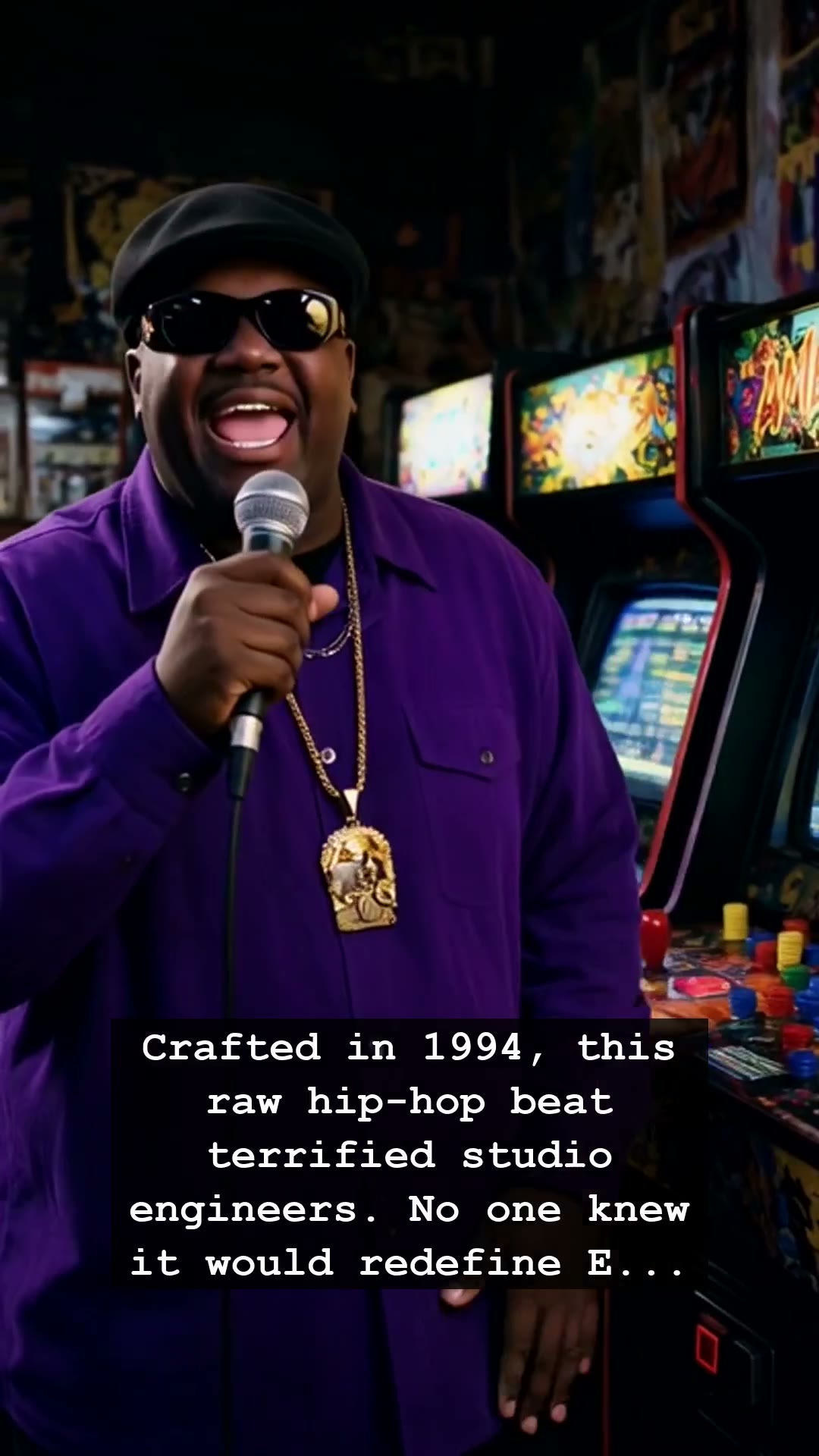
It was 1994, a year where the air in New York City studios felt heavy with a mix of ambition, paranoia, and the crackle of vinyl. In a dimly lit control room, a producer named Easy Mo Bee was pushing his equipment to the absolute breaking point. He was crafting a rhythm so jagged, so profoundly distorted, and so dangerously raw that it genuinely terrified the professional studio engineers. They were accustomed to the polished sheen of commercial radio, but what Easy Mo Bee was stitching together felt like the sound of the concrete streets themselves. Nobody in that booth realized that this gritty, menacing vibration would eventually redefine the entire aesthetic of East Coast rap.
At the time, the sonic landscape was shifting. The golden era was maturing into something darker, fueled by the pressure of fame and the harsh realities of the inner city. Easy Mo Bee was a architect of this transition. He wasn’t just making beats; he was building atmospheres. When he worked with legends like The Notorious B.I.G., he brought an uncompromising vision that demanded perfection through imperfection. He had a way of manipulating loops and samples that felt less like music production and more like alchemical transmutation. He took the dusty soul of the past and injected it with the frantic, nervous energy of the mid-nineties.
The genius of Easy Mo Bee lay in his refusal to play it safe. While his peers were chasing radio-friendly hooks, he was obsessed with the texture of the sound. He pushed faders into the red, inviting distortion into the mix because he believed it captured the true spirit of the culture. During those long nights at the mixing board, surrounded by stacks of cassettes and the hum of early digital samplers, he was dismantling the norms of the era. He knew that for hip-hop to truly evolve, it had to stop trying to sound pretty and start sounding honest.
Looking back from our modern age of clinical, computerized production, the work of Easy Mo Bee stands as a testament to the tactile nature of music history. You can almost feel the sweat of the studio and the vibration of the monitors in every heavy, percussive hit. His contribution during that pivotal year helped set the stage for the East Coast renaissance, creating a blueprint that would be imitated by countless producers who followed in his wake. He turned the studio into a laboratory for sonic rebellion.
Even today, those 1994 tracks maintain a haunting resonance that digital clarity often fails to replicate. They serve as a bridge to a time when every beat was a gamble, and every loop carried the weight of a neighborhood’s identity. Easy Mo Bee proved that music doesn’t have to be perfect to be profound; it just has to be real. His legacy is etched into the very foundation of the East Coast sound, forever reminding us of a time when a simple drum pattern could be considered an act of defiance. If you listen closely, you can still hear the ghosts of those terrified engineers in the static.