
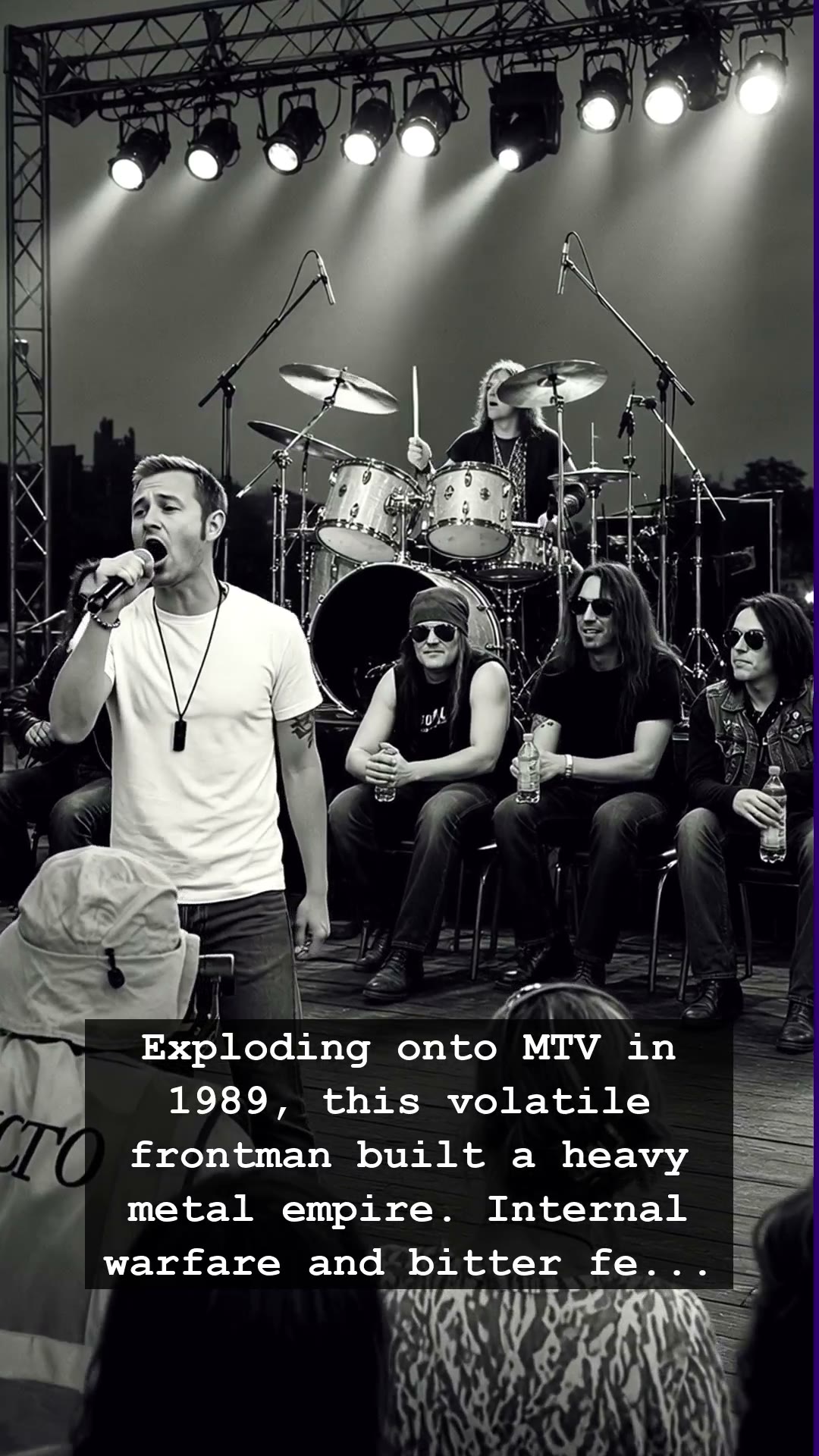
It was 1989, and the airwaves belonged to a wild, golden-maned force of nature. When Sebastian Bach burst onto the MTV scene, he wasn’t just a singer; he was the dangerous, snarling heartbeat of a generation. With his towering stage presence and a vocal range that seemed to shatter glass, Sebastian Bach propelled Skid Row from gritty New Jersey dive bars to the pinnacle of the global heavy metal empire. But beneath the leather jackets, the chart-topping ballads like 18 and Life, and the glitz of the arena rock era, a storm was brewing. The very intensity that fueled their meteoric rise would eventually become the fuel for their internal destruction.
To understand the appeal of Skid Row is to understand the frantic energy of the late eighties. It was an era defined by the Walkman, the hairspray-soaked excesses of the Sunset Strip, and a relentless hunger for rebellion. Sebastian Bach was the quintessential poster boy for this chaos, possessing a charisma that could silence a stadium. Yet, backstage, the atmosphere was far less harmonious. The band was a pressure cooker of clashing egos, artistic friction, and the grueling demands of a lifestyle that demanded perfection while tearing bodies and minds apart. The camaraderie that once held the group together began to fray under the spotlight, replaced by simmering resentment and bitter creative stalemates.
The drama reached a boiling point that fans still whisper about today. For those who lived through the era, the sight of Sebastian Bach wearing controversial apparel or engaging in fiery on-stage outbursts became part of the band’s volatile mythology. These weren’t just publicity stunts; they were the outward manifestations of a brotherhood that was crumbling from the inside out. As the Grunge movement began to eclipse the hair metal scene in the early nineties, the internal warfare within Skid Row made it impossible to adapt or survive. The bonds of friendship that were forged in the rehearsal rooms of their youth were shattered, leading to a permanent rift that silenced one of rock’s most promising acts.
Looking back, the story of Sebastian Bach and Skid Row serves as a haunting reminder of the dark side of fame. It is a classic narrative of talent meeting tragedy, where the music created for the masses became the very thing that alienated the men who performed it. Even now, decades later, the raspy, soaring notes of Bach’s voice bring us back to a time when rock music was everything, and the drama was just as loud as the guitars. It was a fleeting, magnificent, and ultimately tragic explosion that left an indelible mark on music history.
Though the golden age of arena rock has long since passed, the legend of Sebastian Bach remains a central pillar of the hard rock canon. The songs still hold their weight, serving as time capsules for a generation that refuses to forget. While the feuds may have ended the band as we knew it, the music remains, echoing the spirit of a wild, unscripted time. For those of us who still blast the original records, Sebastian Bach will always represent that raw, untamed moment when the world seemed to belong to the rebels. Tell us, do you still believe the power of those early tracks holds up against the test of time?