
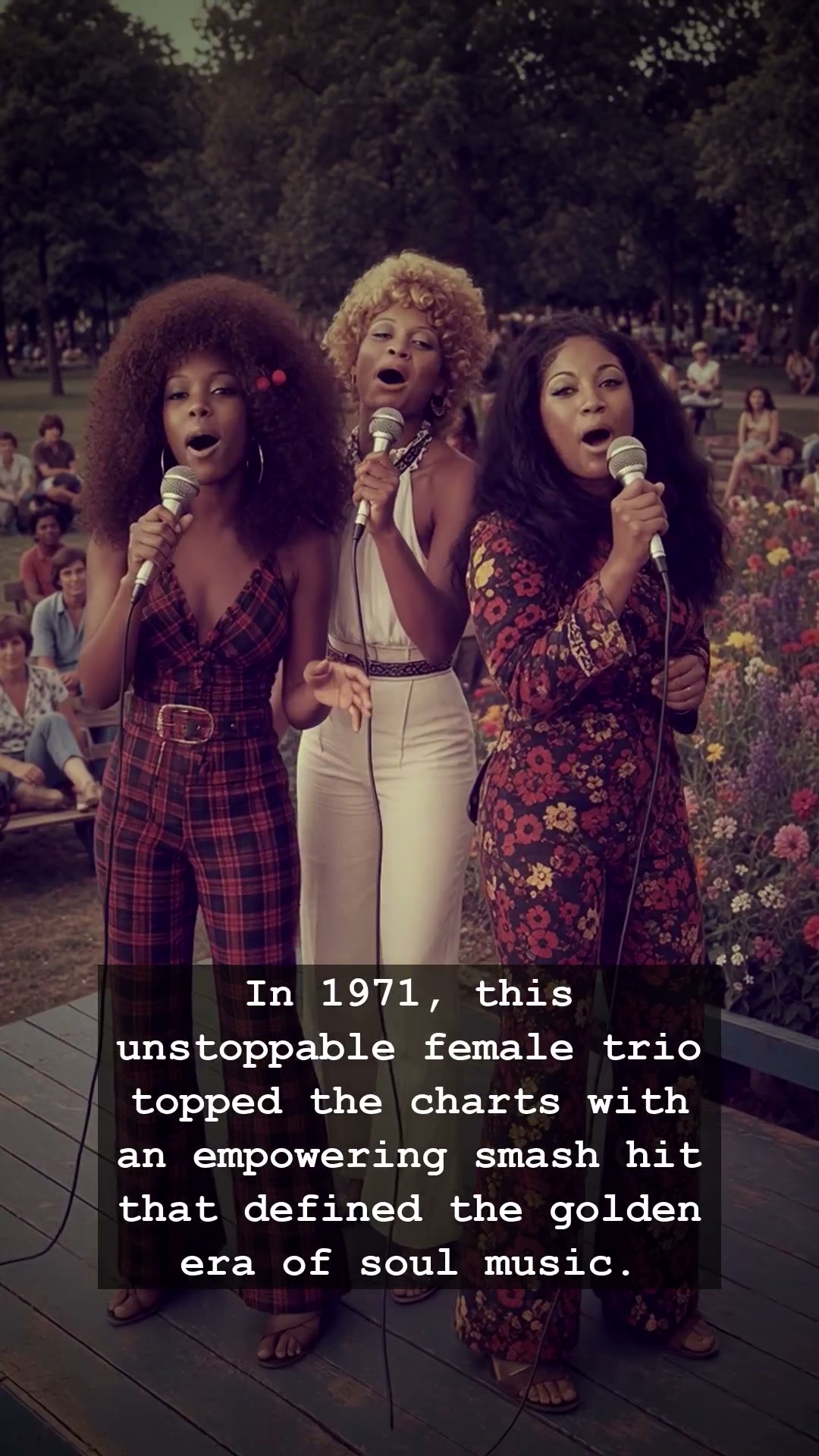
In the sweltering heat of the summer of 1971, a rhythmic revolution was brewing in the heart of the American music industry. While the radio waves were flooded with the psychedelic remnants of the late sixties, a powerful force of nature was about to hijack the airwaves and claim the top spot of the Billboard Hot 100. They were Honey Cone, a female vocal trio whose explosive talent and unapologetic attitude became the defining sound of a golden decade. For those who grew up tethered to their transistor radios or clutching their well-worn vinyl records, the sudden surge of Honey Cone felt like a jolt of pure, unadulterated soul.
The story of Honey Cone is one of grit, ambition, and the relentless pursuit of creative agency in an industry often controlled by shadows. Comprised of Edna Wright, Carolyn Willis, and Shelly Clark, the group was formed under the guiding hand of the legendary Holland-Dozier-Holland team after they departed Motown to launch Hot Wax Records. The air in those recording studios was thick with smoke and ambition. It was here that Honey Cone transcended the typical girl-group tropes of the era, moving beyond mere harmonies to capture a fierce, empowering narrative that resonated deeply with women finding their footing in a rapidly shifting cultural landscape.
Their crowning achievement, the smash hit Want Ads, was more than just a catchy tune; it was a defiant, syncopated anthem of liberation. When that driving, brass-heavy groove first hit the jukeboxes in local diners and the crowded floors of discotheques, it was undeniable. Honey Cone had captured the essence of the transition from the polished Motown aesthetic to the grittier, funkier soul of the seventies. The success of the track was a seismic shift, proving that a female vocal trio could command the charts without sacrificing their edge or their individuality.
Yet, behind the shimmering stage lights and the meticulously coordinated outfits, the trio navigated the high-pressure environment of the music business with caution. The era was notoriously unforgiving, a time when success meant constant touring, relentless promotional cycles, and the crushing weight of public expectation. Honey Cone managed to remain authentic amidst the chaos, their vocal chemistry serving as a shield against the industry’s darker impulses. Their music was a soundtrack for the masses, yet it felt intensely personal, echoing the struggles and triumphs of their listeners in every soulful crescendo.
Decades later, the legacy of Honey Cone remains a cornerstone of soul history. Their influence ripples through the generations, serving as a reminder of a time when music was defined by raw vocal talent and genuine songcraft rather than digital artifice. As we look back at the era of Walkmans, velvet-lined studios, and the birth of a new urban sound, the harmonies of Honey Cone stand as a testament to the enduring power of soul music. Their story is a reminder that even in the most tumultuous times, a single melody can change everything.