
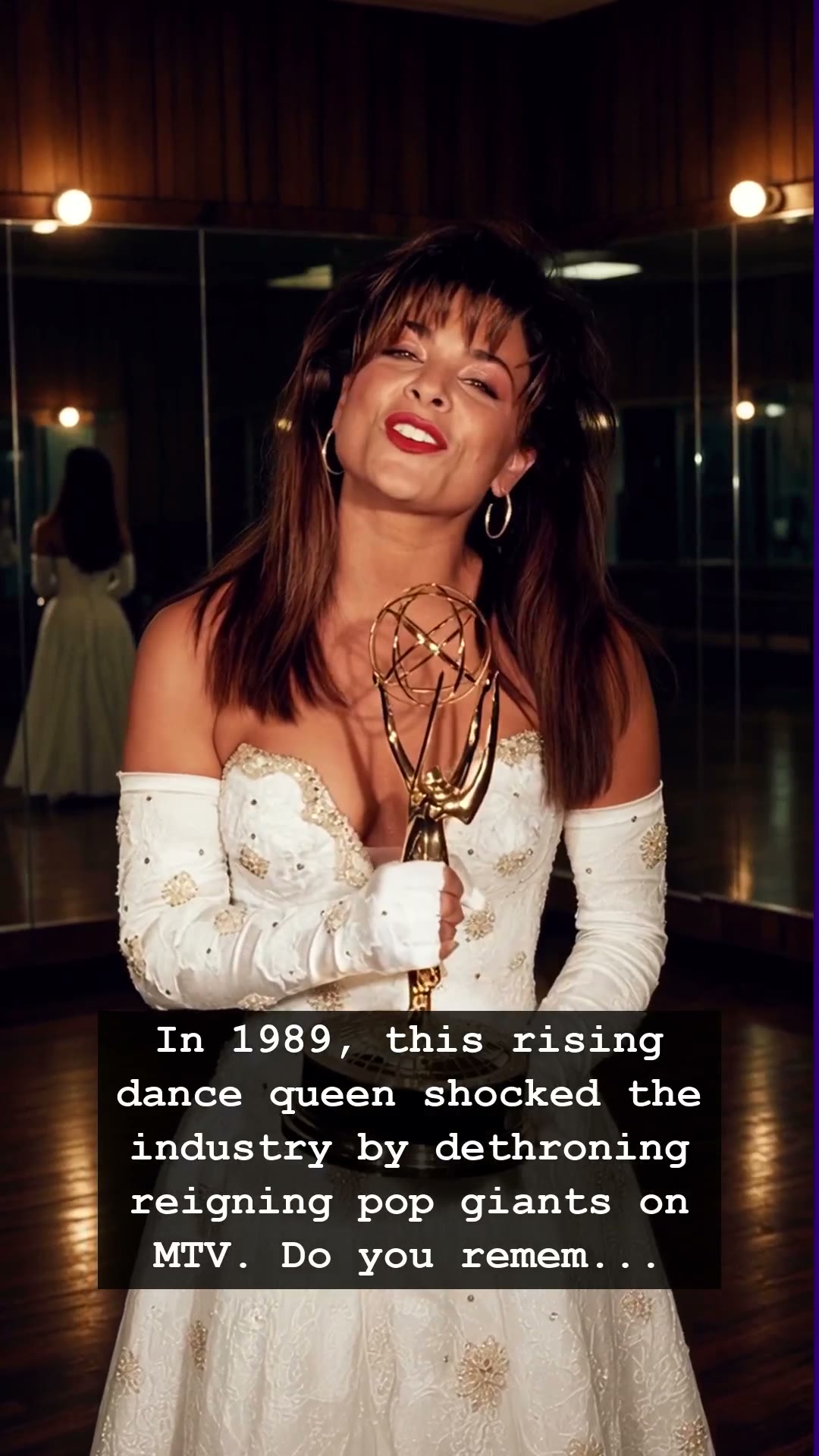
It was 1989, a year when the neon lights of the decade were burning at their brightest before fading into the grunge-filled nineties. Across the airwaves, a seismic shift was occurring, one that would redefine the pop landscape for generations to come. In the heart of this electric era, a former Laker Girl named Paula Abdul stepped out from the shadows of choreography and into the blinding spotlight of global superstardom. With her debut album Forever Your Girl, she didn’t just climb the charts; she dismantled the status quo, effectively dethroning the established giants of the MTV era with a sound that felt as fresh as a midnight drive.
Do you remember where you were the first time you heard Straight Up? It was more than a hit; it was a rhythmic manifesto. The music video, a stark, high-contrast masterpiece directed by David Fincher, became a staple of MTV rotation, etching Paula Abdul into the collective consciousness of a generation. While other pop stars relied on pure studio polish, Paula brought something different to the table: an undeniable, visceral kinetic energy. She was the first performer of the MTV generation to prove that a dancer with a unique, soulful vocal quality could command the number-one spot on the Billboard Hot 100 with the same authority as the established legends.
However, the path to the top was paved with immense pressure. Behind the infectious beats and the polished choreography lay a grueling industry machine that demanded perfection. Paula Abdul was thrust into a world of endless press junkets, studio demands, and the relentless scrutiny of tabloid culture that loved to build stars up just to find the cracks in their armor. The dark side of this fame was the physical and emotional toll it took, yet she moved through it with a grace that masked the underlying intensity of the music business in the late eighties. Her journey was a balancing act, constantly navigating the expectations of a music industry that was rapidly evolving.
What made Paula Abdul truly resonate with the audiences of the late 1980s was her authenticity. She wasn’t just a singer; she was a performer who understood the soul of the movement. She brought the vocabulary of jazz and street dance to the pop charts, turning her live performances into events that mirrored the energy of the dance clubs that defined the nightlife of that era. Her music became the soundtrack to the walkman-carrying youth who spent their afternoons glued to the television, waiting for the next big premiere on TRL. She was the bridge between the polished, synthesized pop of the eighties and the raw, dance-oriented rhythms that would dominate the decade to follow.
Decades later, the legacy of Paula Abdul remains a cornerstone of pop history. It serves as a nostalgic reminder of a time when music videos were an art form and a single pop star could unite the world under a shared melody. Her rise to fame remains one of the most compelling narratives of the late eighties, a testament to talent, tenacity, and the power of a perfect beat. As we look back on those golden days of MTV, Paula Abdul stands tall as the queen who danced her way into our hearts and changed the sound of pop music for good. Do you still find yourself moving to the rhythm of those iconic tracks?