
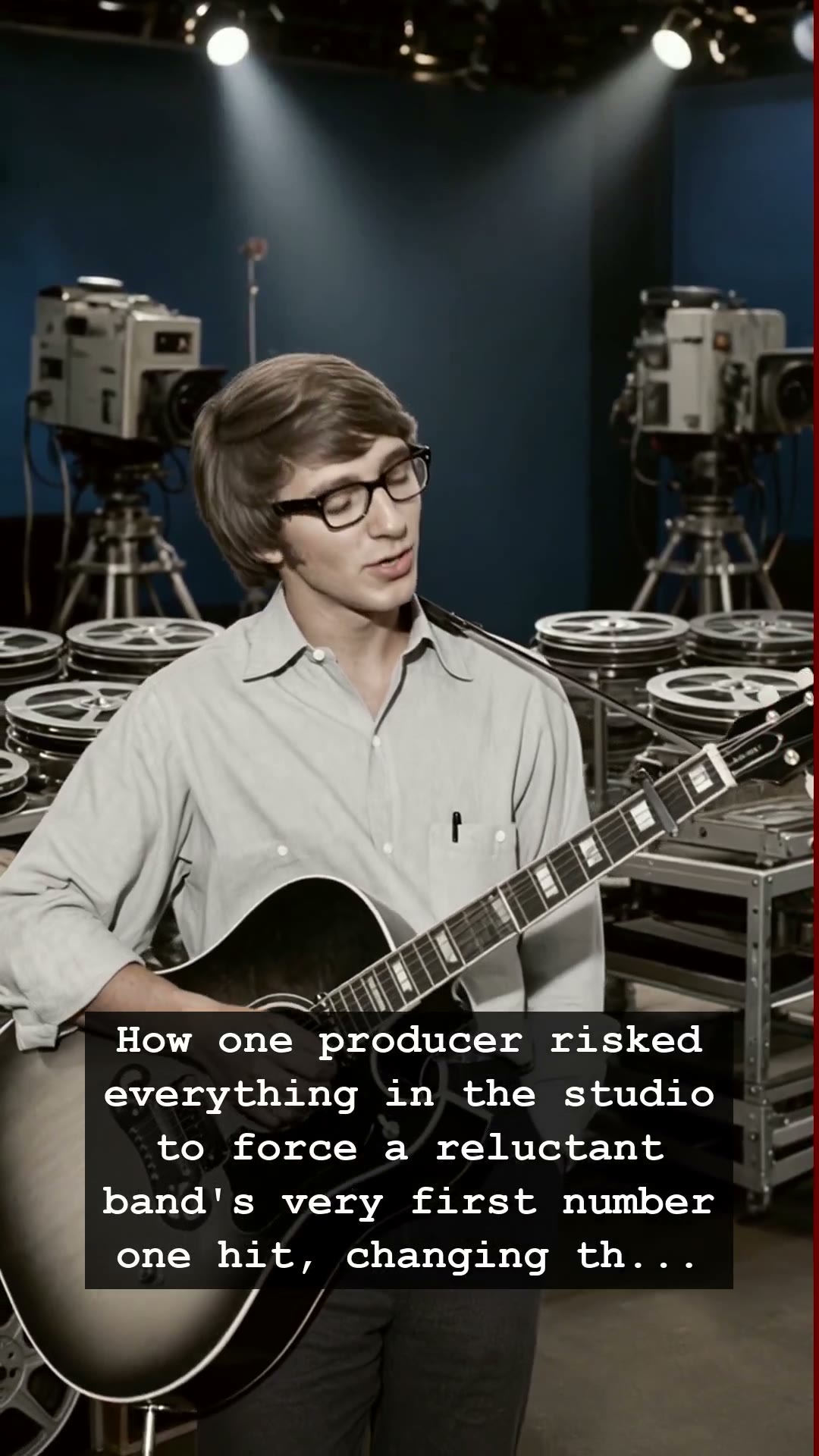
It was 1976, a time when the world was shifting from the grit of post-Vietnam reality to the polished, radio-friendly embrace of the late seventies. The band Chicago, once synonymous with experimental horn-rock, found themselves at a crossroads, drifting toward obscurity as their momentum began to stall. Enter James William Guercio, the band’s visionary yet famously demanding producer. With the industry turning its back on their intricate arrangements, Guercio decided to bet everything on a single, unconventional move that would redefine the band’s trajectory forever.
Behind the heavy soundproof doors of the studio, tensions were running high. The band members were reluctant, skeptical of the softer, pop-oriented direction Guercio was pushing for their next project. They wanted the complexity that had defined their earlier hits, but James William Guercio had his eyes set on a different prize. He sensed that the American public was hungry for a new kind of intimacy, a mellow, soulful ballad that felt like a heartbreak letter written on a neon-lit midnight. He pushed the band to record ‘If You Leave Me Now,’ a track that everyone inside the room initially viewed as a commercial suicide mission.
Guercio’s insistence was legendary. He wasn’t just producing a track; he was orchestrating a destiny. He knew that if this single failed to climb the charts, the band’s influence on the airwaves would effectively vanish into the ether of forgotten FM radio classics. The studio became a pressure cooker of creative conflict. James William Guercio stood firm, demanding perfection in the subtle interplay between the soft percussion and the soaring, emotional vocals. He forced the band to strip away their usual heavy instrumentation, leaving nothing but raw, vulnerable honesty that stood out sharply against the disco-heavy landscape of the era.
When the song finally hit the airwaves, the gamble paid off in spectacular fashion. It became Chicago’s very first number-one hit, skyrocketing to the top of the Billboard Hot 100 and securing them a permanent place in the pantheon of soft-rock royalty. That moment wasn’t just a technical achievement; it was a cultural pivot point. It proved that in an era obsessed with glitter and dance beats, the human heart still responded to a well-crafted melody. For James William Guercio, the victory was sweet, though it marked the beginning of the end of his long, often tumultuous relationship with the musicians he had molded.
Decades later, the legacy of that studio session remains etched in our collective memory. We think of the Walkman days, the haze of vinyl record stores, and the specific, golden warmth of a ballad that seemed to capture the essence of a fading decade. It reminds us that behind every massive anthem, there is often a quiet, high-stakes gamble made by someone who dared to hear the music differently than the rest of the world. It serves as a testament to the fact that sometimes, the greatest art comes from the most difficult of compromises. So, next time you hear those opening piano chords, remember the stubborn producer who risked it all to make sure we would never forget them.