
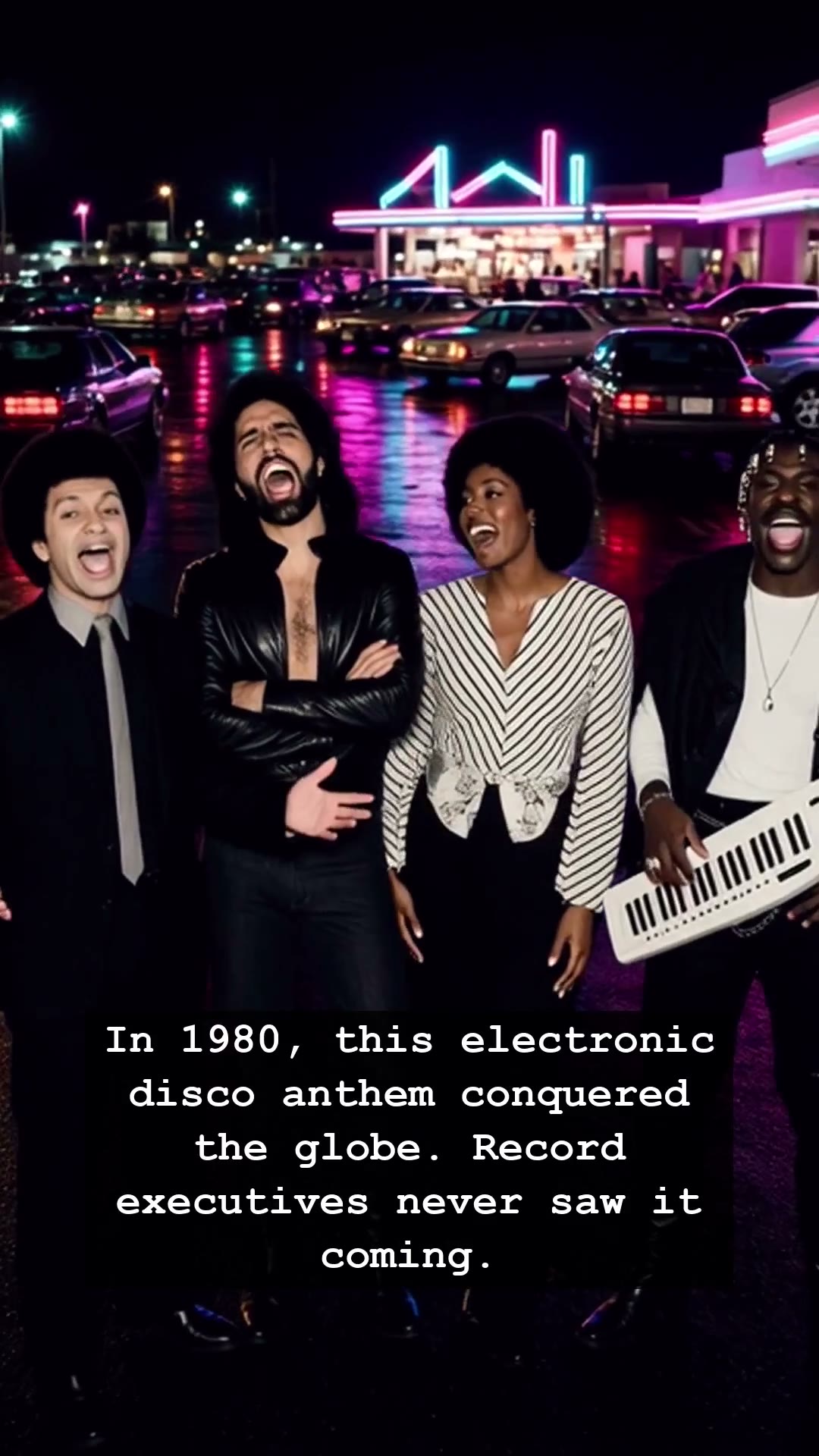
In 1980, the world was spinning under the mirrored ball of Studio 54, but beneath the familiar shimmer of disco, a strange, metallic sound was preparing to hijack every dance floor on the planet. Record executives were expecting the usual orchestral arrangements and soaring soul vocals, but instead, they were blindsided by a relentless, futuristic pulse that felt like it had been beamed down from a distant galaxy. That track was Funkytown, and the mysterious entity behind it was Lipps Inc. Before the world knew what a vocoder could truly do, this group turned the radio into a playground for robotic dreams, forever altering the sonic landscape of the decade.
Lipps Inc was the brainchild of Steven Greenberg, a visionary producer who spent his nights obsessing over the rhythmic possibilities of the Minneapolis music scene. While the industry was still obsessed with the organic warmth of traditional funk, Greenberg leaned into the artificial, the repetitive, and the hypnotic. When Cynthia Johnson stepped into the recording booth to lay down those iconic, echoing vocals, she didn’t know she was providing the heartbeat for a movement that would dominate twenty-eight countries. The track felt like a secret code, a high-octane escape for a generation looking for something more clinical, more precise, and undeniably cooler than the standard disco fare of the era.
The success of Lipps Inc was a classic industry shocker. Major labels had initially dismissed the demo, unable to grasp the appeal of such a cold, synthesized sound. But once it hit the airwaves, the momentum was unstoppable. You couldn’t walk into a club, a roller rink, or even a local department store without hearing that signature synthesizer riff. It captured the exact mood of 1980, a year caught between the dying embers of the seventies disco fever and the rising, icy dawn of the new wave synthesizer age. For those listening through their portable Walkman devices or on crackling jukeboxes, it represented a moment of pure, unadulterated escapism.
Yet, the story of Lipps Inc is also a cautionary tale about the volatility of one-hit wonder fame. Like a flash of lightning in a dark sky, they illuminated the entire industry before retreating into the shadows of musical history. The pressure to replicate such an astronomical success proved to be a weight that few acts could bear. Behind the glitz and the robotic perfection lay the reality of artists grappling with an identity defined by a single, inescapable anthem. It is a familiar tragedy in the annals of pop music, where the song inevitably becomes larger than the humans who created it.
Decades later, the legacy of Lipps Inc remains etched into the foundation of electronic dance music. Every time a modern DJ drops a track with a processed vocal hook, you are hearing the ghost of that 1980 masterpiece. It reminds us that sometimes, the most enduring art comes from the fringes, born out of a gamble that everyone else claimed would fail. As we look back through the lens of nostalgia, that robotic beat still carries the electricity of a dance floor that refused to stop moving. Do you still remember where you were when the future finally arrived?