
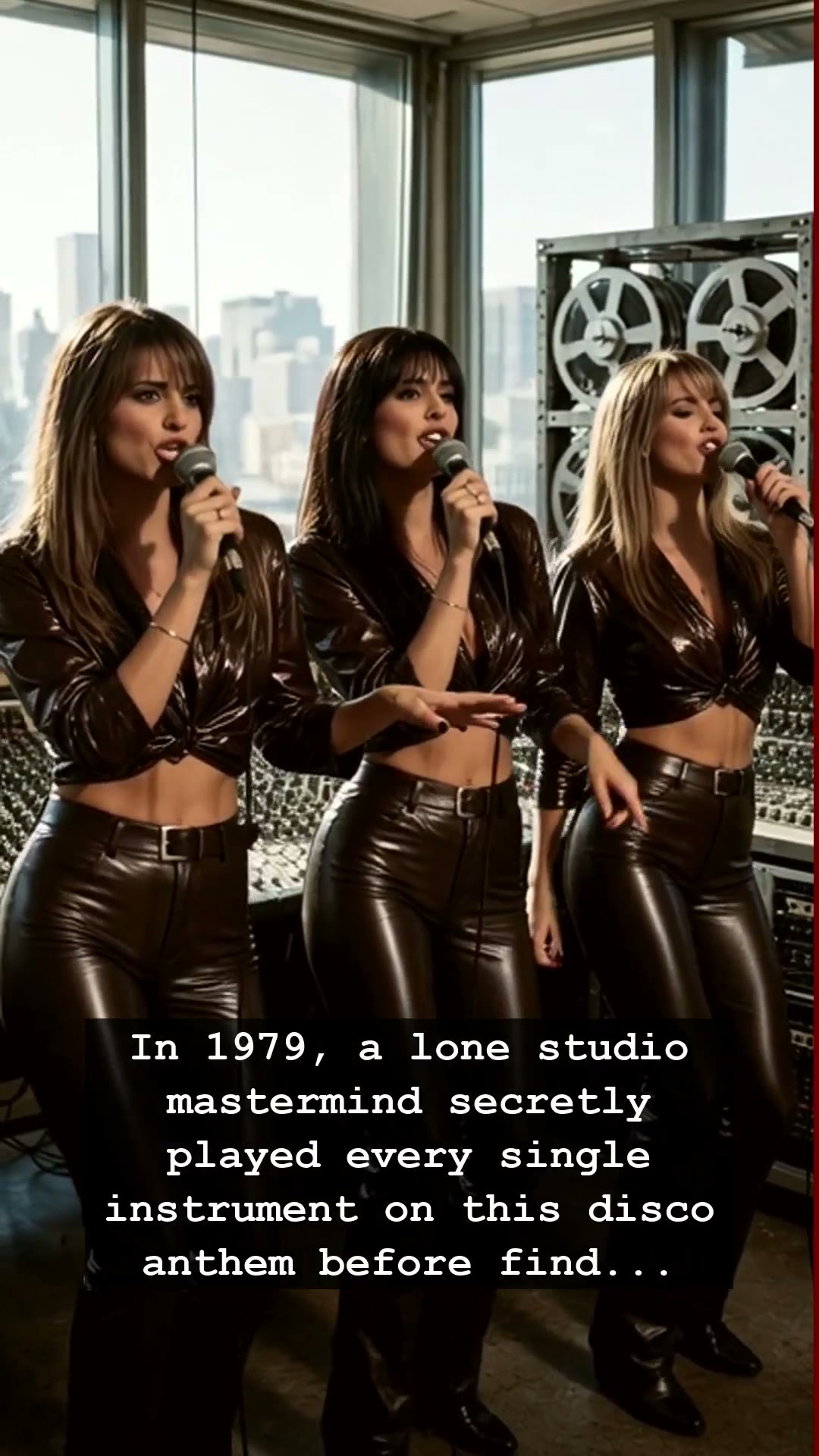
The year was 1979, and the airwaves were dominated by the neon-soaked promises of the disco era. In the heart of Minneapolis, far from the polished, celebrity-drenched studios of New York City’s Studio 54, a lone musical architect was quietly orchestrating a revolution. Steven Greenberg, a songwriter and producer with a singular vision, sat surrounded by synthesizers and drum machines, meticulously layering track upon track. He was the secret hand behind what would become one of the most recognizable anthems in history. Before the world knew the name Lipps Inc, they knew only the infectious, robotic pulse of a song that refused to be ignored.
Most fans dancing under the shimmering lights of the late seventies assumed that Lipps Inc was a traditional band, a collective of musicians jamming in a garage. The reality was far more solitary and calculated. Greenberg played every single instrument on the recording himself, weaving a complex web of funky basslines and futuristic synth hooks that captured the zeitgeist of a changing decade. He wasn’t just making a song; he was building an indestructible disco monument. It was a lonely process, one fueled by the cold precision of electronics and the burning desire to escape the mundane, perfectly mirroring the escapist nature of the era’s nightlife.
It wasn’t until the foundation was perfectly laid that Greenberg sought the final piece of the puzzle: the voice. He found Cynthia Johnson, a powerhouse vocalist whose sultry, commanding delivery provided the perfect human contrast to the mechanical precision of the backing track. When Johnson stepped into the studio, the transformation was complete. The track was no longer just a studio experiment; it was a soul-stirring hit. Lipps Inc was born, and Funkytown was unleashed upon a world ready to dance its way out of the remnants of the seventies and into the high-tech uncertainty of the eighties.
The success of Funkytown was nothing short of explosive. It climbed the charts with a ferocity that caught even the industry veterans off guard. For those who carried their Walkmans through the streets, the song became a permanent fixture of their auditory landscape. It was the soundtrack to a generation that was beginning to trade in the hazy, organic sounds of the early seventies for the shiny, rhythmic pulse of synthesized pop. Lipps Inc didn’t just top the charts; they defined the transition, serving as a bridge between the tail end of the disco frenzy and the impending dominance of the synthesizer age.
Looking back, the story of Lipps Inc serves as a poignant reminder of the hidden labor behind our favorite memories. We often remember the face on the album cover or the voice on the radio, forgetting the solitary geniuses working in the shadows to craft those fleeting moments of joy. Funkytown remains a timeless artifact, a testament to a time when music was becoming increasingly digital, yet remained deeply rooted in the human need to move. Next time the needle drops or the track hits your speakers, remember the lonely architect in Minneapolis who made us all want to pack our bags and head to Funkytown.