
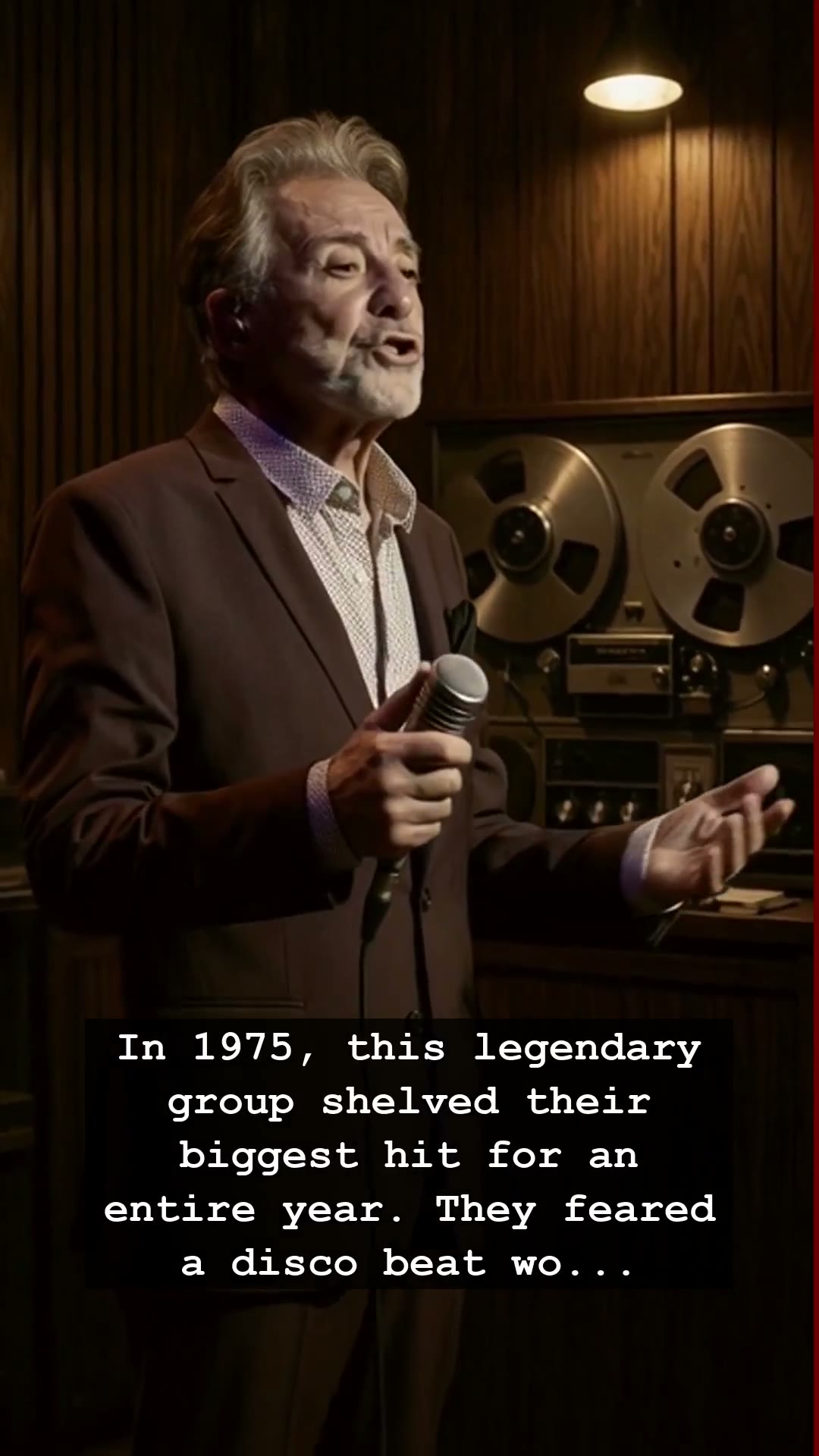
It was 1975, and the world was changing. The golden age of classic doo-wop and the radio-friendly harmonies that had defined a generation were losing their grip on the charts. Suddenly, everyone wanted a four-on-the-floor beat, and the airwaves were becoming dominated by the shimmering, pulsating sounds of the dance floor. For Frankie Valli, the iconic falsetto voice behind the Four Seasons, this shift felt like a death sentence. He and his band were legendary, yet they sat on a track that would ultimately define their later career for an entire year, terrified that embracing the disco trend would irrevocably tarnish their legacy.
The song was December, 1963 (Oh, What a Night). While today it is a staple of wedding dance floors and nostalgic soundtracks, back then, the mere hint of a disco influence caused a rift within the group. The band members were veterans of the jukebox era; they had grown up with the grit of the streets and the raw, unpolished energy of the early rock and roll scene. To them, disco was superficial, a fleeting trend that lacked the soul of the music they had built their lives on. Frankie Valli stood at a crossroads: stay true to the sound that made him a superstar and risk total obscurity, or step into the neon-soaked world of Studio 54 and hope the public would follow.
There was a palpable fear that the audience would reject this new direction. The studio sessions were tense, filled with silent arguments and the heavy weight of history. For months, the master tape gathered dust on a shelf. The band worried that their fans, those who still remembered the magic of their early hits, would view this as a betrayal. It was the quintessential conflict of the era, a tug-of-war between artistic integrity and the ruthless demands of the music industry. Yet, when the song finally hit the airwaves, the gamble paid off in a spectacular way.
When December, 1963 finally dropped, it did not destroy Frankie Valli’s career; it resurrected it. The song became a massive global hit, climbing the charts with a relentless rhythm that resonated far beyond the disco clubs. It proved that even a voice as classic as Valli’s could adapt to the changing tides of the mid-seventies without losing its signature soul. It was a moment of transformation, a bridge between the legendary past and an evolving future.
Looking back, this story serves as a reminder of the fragility of fame and the courage required to reinvent oneself under the spotlight. Frankie Valli navigated the treacherous waters of changing musical tastes with grace and grit. Today, when that unmistakable beat starts, it transports us back to a time of Walkmans, velvet suits, and the intoxicating promise of the dance floor. It is a testament to the fact that great music, regardless of the genre wars of the past, simply refuses to fade away. The next time you hear that opening piano riff, remember the year it almost never happened.