
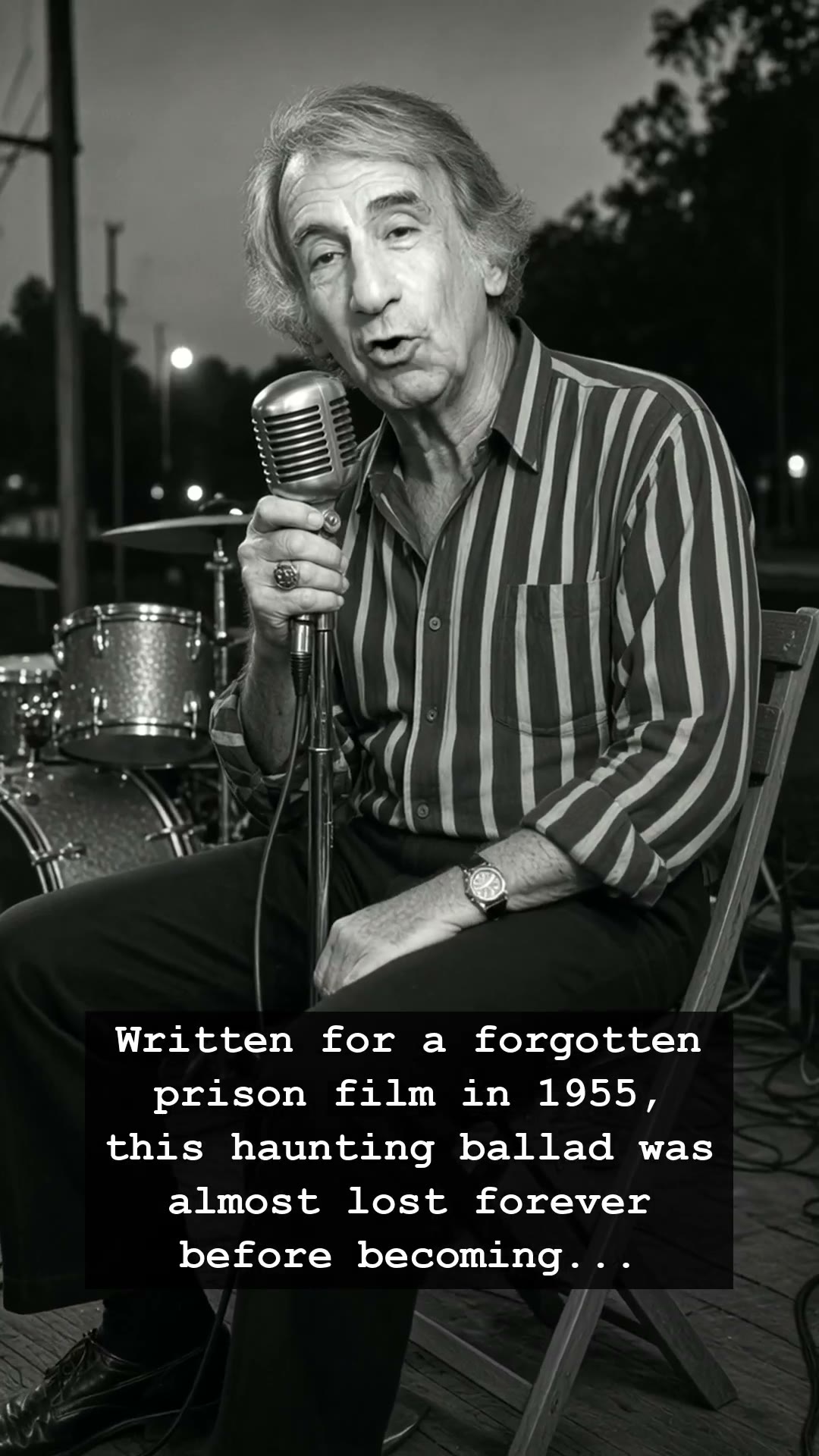
It was 1955, a time when the jukebox was the heartbeat of every roadside diner and the crackle of a vinyl record felt like a personal confession. Amidst the birth of rock and roll, a hauntingly beautiful ballad was composed for a gritty, forgotten prison film titled Unchained. Few people remember the film today, but the song that emerged from its soundtrack has become an eternal echo in the halls of music history. This is the story of Alex North, a composer who captured a longing so profound that it transcended the silver screen to become one of the most covered melodies of the twentieth century.
Alex North was a master of musical tension, known for bringing an psychological depth to cinema that was rare for the era. When he was tasked with scoring this low-budget prison drama, he had no idea he was crafting a cultural icon. The melody was born from a place of isolation and deep emotional yearning, mirroring the incarcerated characters on the screen. While the film faded into the dusty archives of Hollywood, the music refused to die. It carried a universal weight—a sense of aching for someone who is just out of reach, a sentiment that resonated with post-war America and beyond.
For a moment, it seemed as if the song would disappear into obscurity alongside the film that birthed it. But music has a way of finding its own destiny. As the 1950s rolled into the swinging sixties and beyond, performers were drawn to the spectral elegance of the composition. Alex North had constructed a blueprint for heartbreak, a sequence of notes that felt like the physical manifestation of a sigh. It was raw, it was sophisticated, and it was undeniably human. It became a bridge between the lonely, flickering glow of a single cell and the vast, romantic possibilities of the outside world.
Think of the countless moments where this song has defined our pop culture—the dramatic tension, the soft lighting, the feeling of being completely unmoored by love. Whether it was the raw, gravelly delivery of early artists or the lush, orchestral arrangements that followed, the genius of Alex North remained the invisible hand guiding the listener’s emotions. His ability to distill human solitude into a few bars of music is the reason we still reach for our Walkmans or search for those vintage tracks on long, quiet nights. It is a testament to the fact that true artistry does not age; it merely finds new hearts to inhabit.
As we look back at the landscape of American music between 1955 and 1985, we often focus on the explosive rebellion of rock or the neon shimmer of disco. Yet, it is the quiet, haunting legacies like those of Alex North that provide the soulful foundation for everything that came after. Today, when the first few notes of that iconic melody drift through the air, we are reminded of the power of a song to survive its own origin. It remains a timeless invitation to remember, to feel, and to hold on to the things that matter most.